- Introdução ao funcionamento dos Atuadores
- Mecanismos de Feedback Posicional
- Tipos de sistemas de controle para atuadores
- Feedback e correção de erros
- Caixas de controle para atuadores lineares
Introdução ao funcionamento dos Atuadores
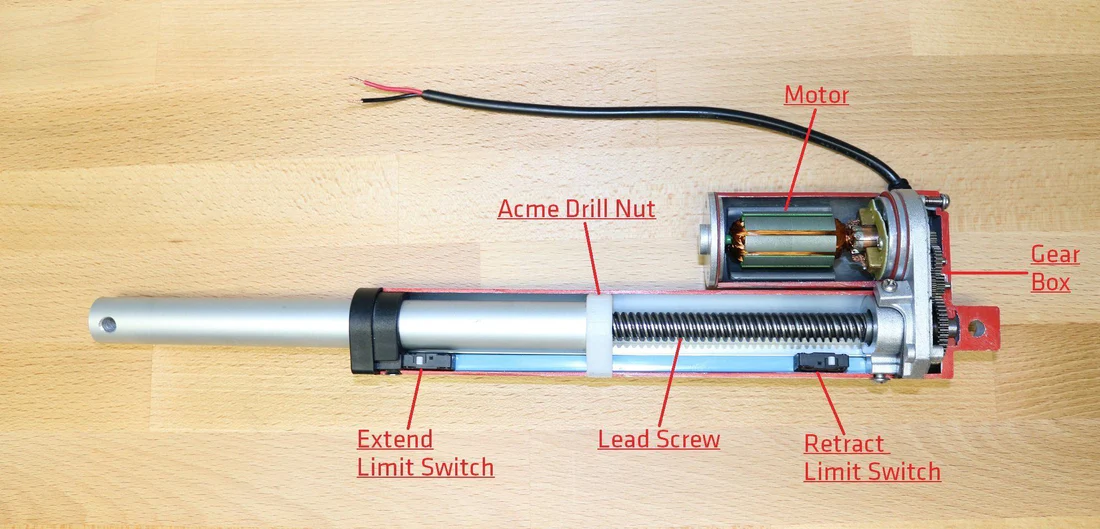
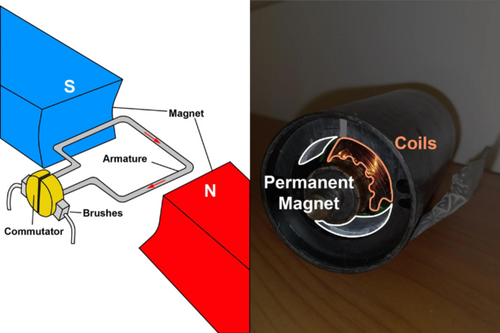
Em electric linear actuators, Corrente elétrica é usada para produzir movimento rotacional em um Motor elétrico que é ligado mecanicamente a uma caixa de engrenagens e utiliza um lead
screw para ciclar a haste do Atuador presa a uma porca ACME para movimento linear. Os sistemas de controle para Atuadores evoluíram significativamente ao longo dos anos, aumentando a versatilidade e a funcionalidade desses dispositivos. Atuadores lineares podem ser operados por vários meios e mecanismos de controle, incluindo:
• Controladores sem fio - oferecem ao usuário a conveniência de operação por controle remoto à distância, sem a necessidade de cabos físicos.
• Controladores com Wi‑Fi e Bluetooth - permitem integração a sistemas inteligentes e acesso por dispositivos móveis, oferecendo interfaces amigáveis e a capacidade de ajustar configurações remotamente e com precisão.
Esses avanços na tecnologia de Atuadores e nos sistemas de controle ampliaram o escopo de suas aplicações, tornando-os indispensáveis em sistemas automatizados modernos. Seja ajustando janelas em veículos, operando equipamentos agrícolas pesados ou automatizando eletrodomésticos, os Atuadores continuam sendo fundamentais para traduzir sinais elétricos em ação física.
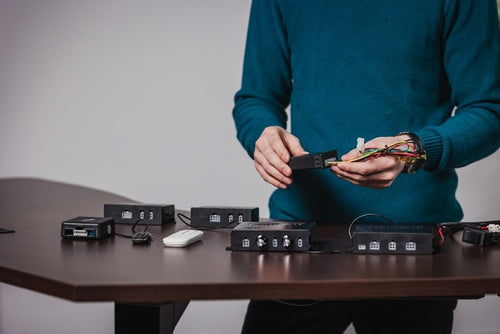
Entendendo sistemas de controle para atuadores
1. Precisão: Os sistemas de controle permitem o ajuste fino dos movimentos dos atuadores para atingir altos níveis de repetibilidade e precisão. Isso é essencial em aplicações onde o posicionamento exato é crítico, como em cirurgia robótica ou engenharia aeroespacial.
2. Eficiência: Ao otimizar a forma como os atuadores respondem aos comandos, os sistemas de controle reduzem o consumo de energia e minimizam o desgaste. Isso não apenas prolonga a vida útil do atuador, mas também aumenta a eficiência geral do sistema em que ele opera.
3. Adaptabilidade: Os mecanismos de feedback podem ajustar o comportamento de atuadores compatíveis em tempo real, analisando o feedback posicional de atuadores compatíveis. Essa adaptabilidade é vital em ambientes dinâmicos onde as condições mudam rapidamente, como em processos de fabricação automatizados ou quando vários atuadores estão sujeitos a distribuição de peso desigual.
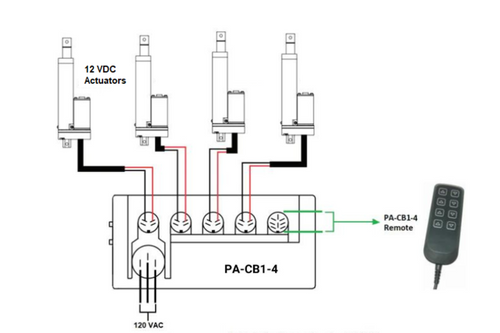
5. Recursos de segurança: Recursos de segurança programados, como proteção contra sobrecarga, ajudam a evitar danos a um atuador ou à aplicação, interrompendo a operação após a caixa de controle detectar um consumo de corrente elétrica excessivamente alto. Outra característica de segurança encontrada nas caixas de controle inclui a proteção contra superaquecimento, que interrompe a operação após um determinado período de ciclos para garantir que o funcionamento permaneça dentro dos limites do ciclo de trabalho do atuador, evitando assim a queima do motor. Os sistemas de controle são fundamentais para o funcionamento dos atuadores, fornecendo a inteligência e a adaptabilidade necessárias para garantir precisão, eficiência, segurança e controle eficaz do movimento. Seu papel é crucial no crescente campo da tecnologia de automação, onde a precisão do movimento é frequentemente a base do sucesso operacional.
Componentes e tipos de sistemas de controle
Componentes-chave de uma caixa de controle básica
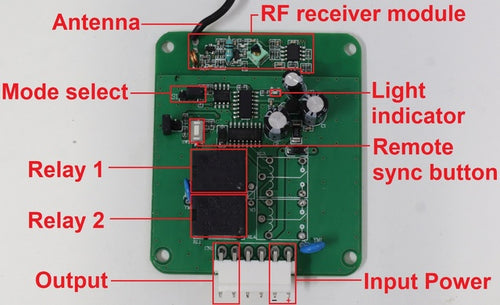
Em uma caixa de controle básica projetada para atuadores lineares elétricos, cada componente desempenha um papel crucial para garantir uma operação eficiente. Aqui está uma descrição detalhada desses principais componentes, suas funções e os objetivos que eles servem:1. Relés: Relés atuam como interruptores que controlam o circuito elétrico de alta potência usando um sinal de baixa potência. Para caixas de controle projetadas para gerenciar atuadores de 2 fios, dois relés são essenciais para inverter a polaridade da tensão aplicada aos dois fios do atuador, o que, por sua vez, altera a direção do movimento. Isso permite o controle bidirecional em uma configuração simples para estender e retrair o atuador.
2. Canais de Entrada: Os canais de entrada são interfaces pelas quais o sistema de controle recebe sinais elétricos de fontes externas, como fontes de alimentação ou sinais de controles remotos com fio. As caixas de controle que operam com feedback posicional também podem receber entrada dos sensores de um atuador. Esses canais processam as entradas do usuário e/ou dos sensores para determinar como o atuador deve operar, tornando-os fundamentais para iniciar e controlar os movimentos do atuador com base em requisitos específicos.
3. Canais de Saída: Os canais de saída fornecem sinais de controle do controlador para o atuador ou outros componentes, como relés. As caixas de controle que operam com feedback posicional também podem emitir corrente elétrica para que os sensores de um atuador tenham energia para operar. Esses canais são cruciais para a execução dos comandos determinados pelo sistema de controle, influenciando diretamente o comportamento do atuador.
4. Botão de Sincronização Remota: Este botão é usado para sincronizar o sistema de controle com um dispositivo de controle remoto. Ele garante que as entradas remotas sejam reconhecidas e processadas pelo sistema de controle, facilitando uma operação conveniente e flexível à distância.
5. Indicador Luminoso: Os indicadores luminosos fornecem feedback visual sobre o status do sistema. Eles podem indicar ligado/desligado, modos de operação, estados de erro ou recepção de sinal, o que ajuda no monitoramento e na solução de problemas do sistema sem a necessidade de ferramentas de diagnóstico complexas.
6. Seleção de Modo: Este recurso permite que o usuário alterne entre diferentes modos de operação da caixa de controle, como controles momentâneos ou não momentâneos. No modo momentâneo, o botão do controle remoto deve ser mantido pressionado continuamente na posição ativa para que o dispositivo funcione. Assim que você soltar o botão, o dispositivo para de funcionar. O modo não momentâneo funciona como um interruptor que permanece na última posição definida até ser alterado novamente, independentemente de estar sendo pressionado ou não. Isso significa que, uma vez ativado, o dispositivo continua a operar até que o interruptor seja desligado manualmente.
7. Antena: A antena faz parte das caixas de controle que possuem um sistema de comunicação sem fio. As antenas são usadas para melhorar o alcance e a qualidade do sinal entre o sistema de controle e os dispositivos de controle remoto ou entre sistemas interconectados. É crucial para manter uma comunicação robusta em ambientes onde a fiação direta é impraticável ou indesejável.
8. Módulo receptor de RF: Este módulo recebe sinais de radiofrequência enviados por controles remotos sem fio. Ele decodifica esses sinais em comandos acionáveis que o sistema de controle pode entender e executar. O módulo receptor de RF é essencial para sistemas de controle sem fio, permitindo a operação remota do atuador sem contato físico. Juntos, esses componentes formam um sistema de controle abrangente para atuadores de 2 fios, cada um desempenhando uma função específica que contribui para a eficácia e eficiência geral da operação do atuador. Esse sistema não apenas permite o controle preciso dos movimentos do atuador, mas também aprimora a interface e a interação do usuário, tornando-o adaptável a uma ampla gama de aplicações.
Mecanismos de Feedback Posicional
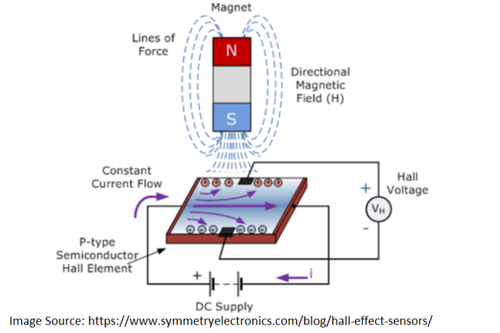
Hall effect sensors
The Hall Effect theory, Edwin Hall (who discovered the Hall Effect), stated that whenever a magnetic field is applied in a direction perpendicular to the flow of electric current in a conductor, a voltage difference is induced. This voltage can be used to detect whether a hall effect sensor is in the proximity of a magnet.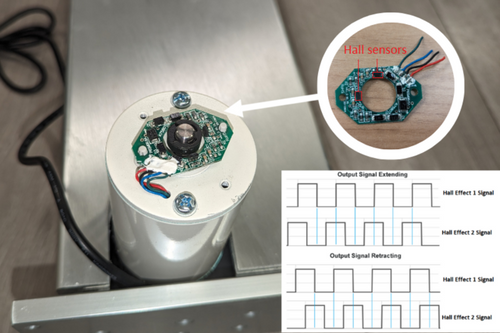
Potenciômetros
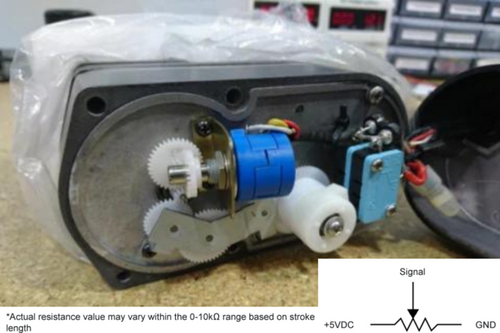
A potentiometer provides a variable resistance that is proportional to the position of the actuator. Gears are often linked between the potentiometer’s knob and the actuator’s rotating motor. As the actuator moves, the resistance value changes, which can be measured and converted into position data. This information is then used by a control system to make fine adjustments to the actuator's position, enhancing accuracy.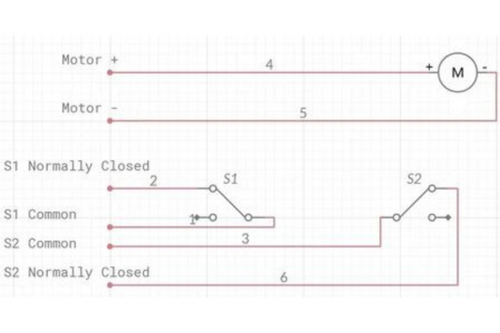
Feedback de Fim de curso
The purpose of limit switch feedback signals is to allow a system to determine whether the actuator has physically tripped the internal limit switches. This kind of feedback is simple and useful for applications that mainly just require information on whether the actuator has reached the fully extended or fully retracted positions.Tipos de sistemas de controle para atuadores
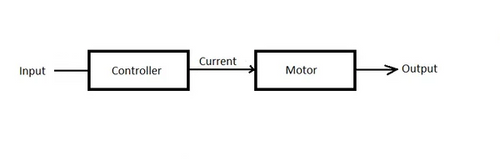
Um exemplo de sistema simples em malha aberta inclui uma chave basculante momentânea ligada a um atuador linear. Isso exige que um operador pressione e mantenha a chave pressionada fisicamente para que o atuador continue ciclando; soltar a chave antes de o atuador atingir o fim do percurso fará com que o atuador pare no meio do movimento.
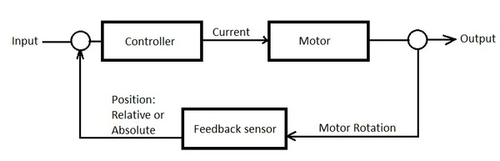
A escolha do sistema de controle e de seus componentes impacta significativamente a funcionalidade e a otimização de desempenho dos atuadores. Ao integrar mecanismos de Feedback eficazes e selecionar o tipo adequado de sistema de controle, os atuadores podem ser otimizados para uma ampla gama de aplicações, garantindo precisão e confiabilidade em sua operação.
Feedback e correção de erros
Variáveis que os sistemas de controle corrigem
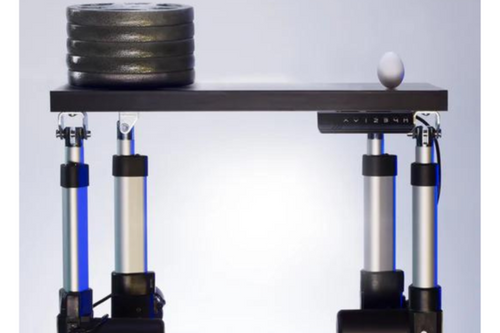
1. Posição: Os sistemas de controle ajudam a garantir que um atuador atinja e mantenha com precisão a posição desejada, comparando a posição definida pelo usuário com a leitura real dos sensores de Feedback posicional. Exemplos incluem quando usuários de mesas ajustáveis pressionam um botão do controlador para que os atuadores se movam até uma predefinição de memória específica, ajustando o posto de trabalho da altura de sentado para a de pé.
2. Velocidade: Ler o Feedback posicional e dividir a distância percorrida pelo tempo decorrido resulta na velocidade de deslocamento. Alguns sistemas de controle permitem ajustar a velocidade por PWM (Modulação por Largura de Pulso), possibilitando que o atuador se mova em diferentes velocidades conforme os requisitos da aplicação. Isso é útil em aplicações que exigem velocidades variadas, como em atuadores que impulsionam o movimento de simuladores de voo.
3. Força: Certos sistemas de controle podem regular a quantidade de força exercida pelos atuadores, garantindo operação dentro de limites seguros e evitando danos ao sistema ou a componentes ao redor. Medindo o consumo de corrente elétrica, os sistemas de controle podem estimar aproximadamente quanta força está sendo exercida por atuadores lineares. Esse recurso é útil para atuadores lineares que abrem e fecham janelas, permitindo desligar a alimentação e parar a aplicação de força caso a mão de uma pessoa ou um obstáculo esteja bloqueando o percurso de movimento.
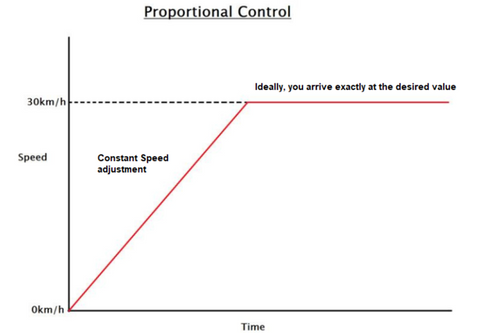
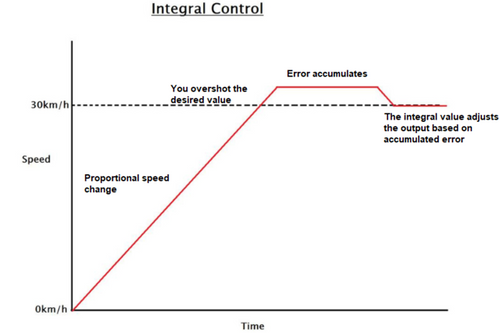
Tipos de estratégias de controle
Escolhendo o sistema de controle certo
• Ingress Protection
• Compatibility
• Budget
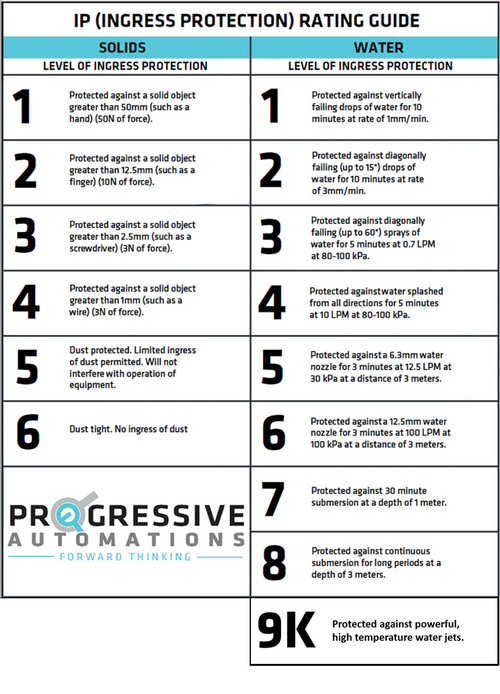
1. Ingress Protection: Assess the specific environmental requirements of your application to determine the type of control systems needed. The PA-33 control box for example has an ingress protection rating of IP65 for dust and water resistance. An ingress protection rating of IP65 or higher is recommended for control systems exposed to outdoor elements such as rainwater, dust, and debris. 2. Compatibility: Ensure that the control system is compatible with the electric linear actuators you have chosen or are currently using to ensure seamless integration. Check if your actuator has the matching communication protocols/positional feedback to the controllers you were considering. For example, the PA-12-T (TTL/PWM) and PA-12-R (RS-485) Micro Precision Servo Actuator provide precise position control with positional accuracy up to 100 um and require advanced communication protocols for such performance. Another thing to consider is whether the type of motor your actuator has will be compatible with a control system. Continuously operating brushless motors such as those found in our custom ordered PA-14 actuators would require control boxes compatible with their operation such as the LC-241 control box. To see which of our control boxes and actuators are compatible with each other, check out our control box comparison and compatibility charts linked below: https:/7717445.fs1.hubspotusercontent-na1.net/hubfs/7717445/PDF%20Manuals/Desk%20Accessories/Control%20Boxes%20Compatibility%20Chart%202023.pdf https:/7717445.fs1.hubspotusercontent-na1.net/hubfs/7717445/PDF%20Manuals/Desk%20Accessories/Control%20Boxes%20Comparison%20Chart-1.pdf 3. Budget: Consider if there were any budget constraints for the project and choose a control system that offers the best value for your investment while meeting your performance requirements. For example, simple indoor projects that do not require high precision would work without any issues by wiring a basic rocker switch without high ingress protection to control a 2-wire mini linear actuator at an affordable price.
Caixas de controle do tipo Efeito Hall
Leia o nosso blogue sobre aplicações das caixas de controlo FLTCON para mais informações.