WAS IST SYNCHRONISIERUNG UND WARUM BENÖTIGEN SIE SIE?
Was ist Synchronisierung? Der Begriff steckt schon im Namen: Bewegungssteuerungsgeräte werden in ‘synchronisierter’ Weise angesteuert und laufen mit exakt derselben Geschwindigkeit. Die lineare Bewegung mehrerer Linearantriebe wird aufeinander abgestimmt, um eine vollständige Synchronisierung zu erreichen. Auf den ersten Blick kann Synchronisierung wie eine einfache Aufgabe erscheinen. Tatsächlich kann das Gegenteil der Fall sein. Synchronisierung lässt sich nicht einfach dadurch erreichen, dass mehrere Linearantriebe an denselben Schalter angeschlossen werden, wie viele vermuten – in einer idealen Welt oder in einer sehr einfachen Umgebung könnte das funktionieren. In der Praxis führt es jedoch meist dazu, dass mehrere Linearantriebe sich mit unterschiedlichen Geschwindigkeiten bewegen.
Selbst wenn zwei Linearantriebe desselben Herstellers und Modells an dieselbe Stromversorgung angeschlossen sind, kann es zu deutlichen Geschwindigkeitsunterschieden kommen, wenn beide ungleichen Lasten ausgesetzt sind, unterschiedlich stark verschlissen sind oder sich sogar bei unterschiedlichen Betriebstemperaturen befinden, um nur einige Probleme zu nennen. Um synchronisierte Bewegungen von Linearantrieben zu erreichen, ist eine Form der Bewegungssteuerung unerlässlich. Bei einer Steuerung mit offenem Regelkreis ist die gängigste Option zur Synchronisierung ein Geschwindigkeitsregler. Eine anspruchsvollere Form der synchronisierten Bewegungssteuerung ist ein System mit geschlossenem Regelkreis, das die Rückmeldung der Linearantriebe nutzt, um die individuellen Anforderungen jedes Geräts zu ermitteln und Anpassungen in Echtzeit vorzunehmen. Diese Form der Synchronisierung ist äußerst präzise, ohne Fehlermöglichkeit. Es gibt zahlreiche Anwendungen, in denen die Synchronisierung von Linearantrieben eine zentrale Anforderung ist.
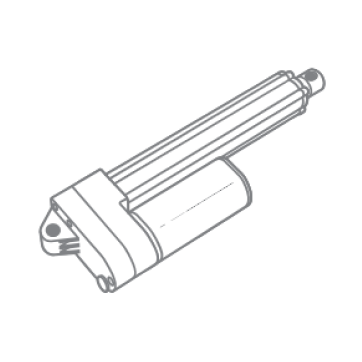
Lösungen für lineare Aktuatoren
Wir bieten eine Vielzahl fortschrittlicher Steuerungen und Aktuatoren mit zahlreichen Anpassungsmöglichkeiten. So finden wir für nahezu jede Anwendung die passende Lösung. Lassen Sie sich von uns bei der Suche nach der idealen Lösung zur Synchronisierung Ihres Projekts unterstützen!

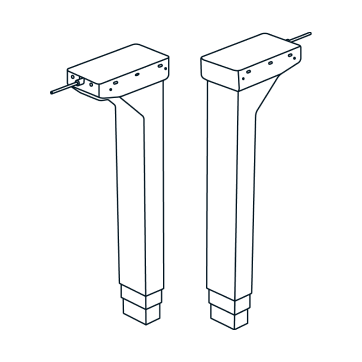
Modulare Hebesäulenlösungen
Elektrische Hubsäulen bieten hohe Leistung, Zuverlässigkeit und Sicherheitsmerkmale, die in nahezu jeder Branche für vielfältige Anwendungen von Vorteil sind. Durch die Einführung erweiterter Anpassungsmöglichkeiten bieten unsere modularen Hubsäulen mit mehr Konfigurationen eine größere Auswahl, um Ihre Anforderungen optimal zu erfüllen!
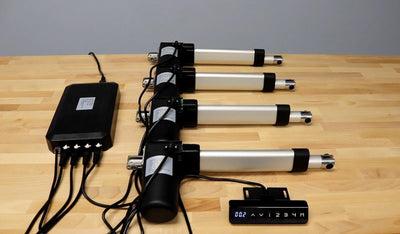
Im Falle der Open-Loop-Synchronisierung, beispielsweise bei der Steuerung mehrerer Aktoren mit einer PA-28-Steuerbox oder einer eigenen programmierte MikrocontrollerSie müssen sicherstellen, dass die Drehzahlregler das System steuern können. Es müssen genügend Pins für die Anzahl der verwendeten Aktuatoren vorhanden sein, und der Code muss fehlerfrei sein. Verwendung von geschlossenem Regelkreis Bei solchen Systemen ist der wichtigste Faktor die Art des in die synchronisierten Aktuatoren integrierten Feedback-Encoders. In diesem Zusammenhang stehen Hall-Effekt-Feedback und Potentiometer-Feedback an erster Stelle.
In Hall effect linear actuators, like the ones shown on this page, the feedback encoder records the number of revolutions the actuator’s driving motor is going through while moving. From this information, it is very easy for the controller to calculate the exact position, and hence the speed, of the actuator’s rod. The encoders of all the linear actuators are constantly sending feedback to the controller, which determines which actuator(s) is lagging or speeding up, and then adjust their respective speeds accordingly to ensure smooth, synchronized movement. When using Hall Effect actuators, it is necessary to use a compatible controller as well. You cannot use them with any ordinary controller, instead, one that is designed for this specific purpose is required. The control box must also have the desired number of channels in accordance with the number of actuators being used. Potentiometer feedback works in a similar way. As the actuator’s rod moves in and out, the potentiometer’s electrical resistance changes with it proportionately. This information is transmitted to the controller, which then performs the exact same function as explained above to synchronize actuators.
While many of our actuators can be customized to include feedback options (just check their data sheet), we also have stocked options!
Starting with our linear actuator range, we have high-performing Hall effect actuators with 12 VDC and 24 VDC variants. For example, our PA-04-HS linear actuator comes installed with a built-in Hall effect sensor that enables synchronization. Customers can also choose between 12 VDC and 24 VDC power supply options. The 12 VDC power supply linear actuators are much more common as most power supplies are of this specification. They are easier to integrate into actuation systems and pack decent performance specifications. The 24 VDC actuators need a specialized power supply, which often requires additional investment and equipment.
Diese Varianten bieten jedoch mehr Leistung und Drehmoment, einen geringeren Stromverbrauch und benötigen weniger Kabel, was die oben genannten Nachteile deutlich ausgleicht. Unabhängig von Ihrer Wahl stellt Progressive Automations sicher, dass sich die Ansteuerung mehrerer Aktuatoren als lohnende Investition erweist. Für die Synchronisierung bieten wir Mehrkanal-Steuergeräte an, die für rückkopplungsbasierte Aktuatoren ausgelegt sind, darunter unsere Steuergeräteserien PA-40 und FLTCON. Diese für Hall-Effekt-Aktuatoren entwickelten Steuergeräte sind sowohl mit 12-V- als auch mit 24-V-Gleichstrom-Aktuatoren kompatibel. PA-40Tatsächlich handelt es sich um eine spezielle Synchronisationslösung für Dual-Hall-Effekt-Anwendungen.