


Linear actuators discretely assist us in our daily lives, they can be found on vehicles, in homes, and in the workplace. The majority of them remain behind the scenes ensuring we are able to pull, push, lift, and tilt the world around us with ease.
The agricultural industry historically has been dominated by the use of both hydraulic and pneumatic actuators, however, with the advancement of electric linear actuators, these tend to be the favored safe and reliable replacements. Electric linear actuators offer low maintenance and cost-effective linear motion solutions; a complete system can involve as few components like a power supply, DPDT rocker switch, and a linear actuator.
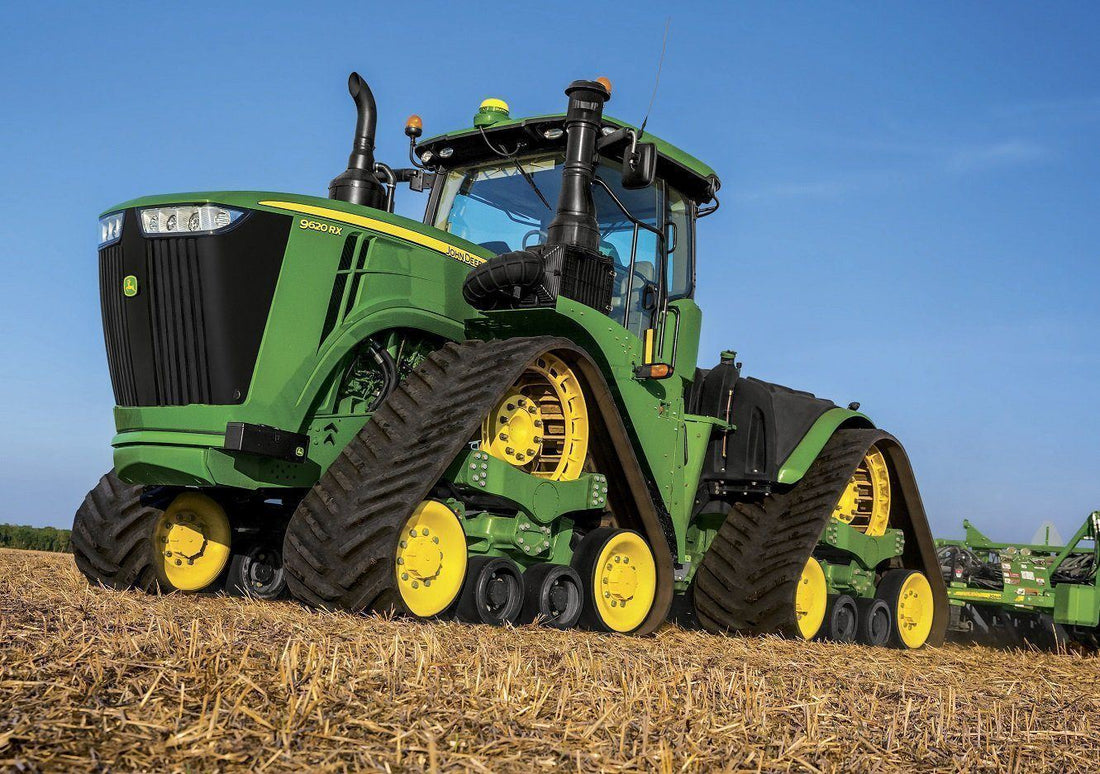
With the rise of electric linear actuators as a low-cost alternative, many machines and vehicles now utilize them. John Deere, a leader in the Utility Task Vehicle (UTV) utilizes them in many of their vehicles, regardless of size or application. John Deere integrates actuators into many of its vehicles including Gator Utility Vehicles and Snow Removal Equipment. From lifting cargo beds on the John Deere XUV 825i Gator to tilting a chute deflector on the John Deere 47” Snow Blower, we are determined to help customers find suitable and affordable replacements for their commercial/residential utility vehicles.
The heavy-duty linear actuator is the recommended replacement unit for high force applications as it comes with forces ranging from 850-2000lbs. It comes equipped with a stainless steel stroke and IP-65 protection rating which makes the unit an ideal replacement for large John Deere UTVs.

The mini industrial actuator with medium force works great for smaller applications such as chute deflectors, with forces ranging from 35-150LBS and speeds of up to 2.0”/s. This small unit packs a steady punch and can be produced to have an IP-65 rating for weather-sensitive applications. Accompanied by one of the rubber boots for added protection, this unit will suit many UTV automation needs!
To find a replacement actuator, simply follow the steps below:
-
Determine the voltage of the motor, or see if you can supply 12/24/36/48 VDC.
-
Find the force rating of the actuator which should be indicated on the label.
-
Speed can be measured or read off of the label on the linear actuator.
-
Measure the fully retracted hole to hole (or end to end) dimension.
-
Measure the fully extended hole to hole (or end to end) dimension.
-
If the extended and retracted dimensions are not significant, determine the stroke from the label or by measuring.
Once you have determined the information above, contact us and a member of the Progressive Automations’ Sales Team can recommend an electric actuator for any of your commercial/ residential applications.
If you are looking for a cost-effective and reliable replacement for your UTV, call us at 1-800-676-6123! All of our linear actuators come with an 18-month warranty and can be customized to a variety of specifications to suit your linear motion needs.