


Ultra Compact Micro Linear Actuator 12V (Coming Soon)
Ultra Compact Micro Linear Actuator 12V (Coming Soon)
Model: PA-MC3
Couldn't load pickup availability


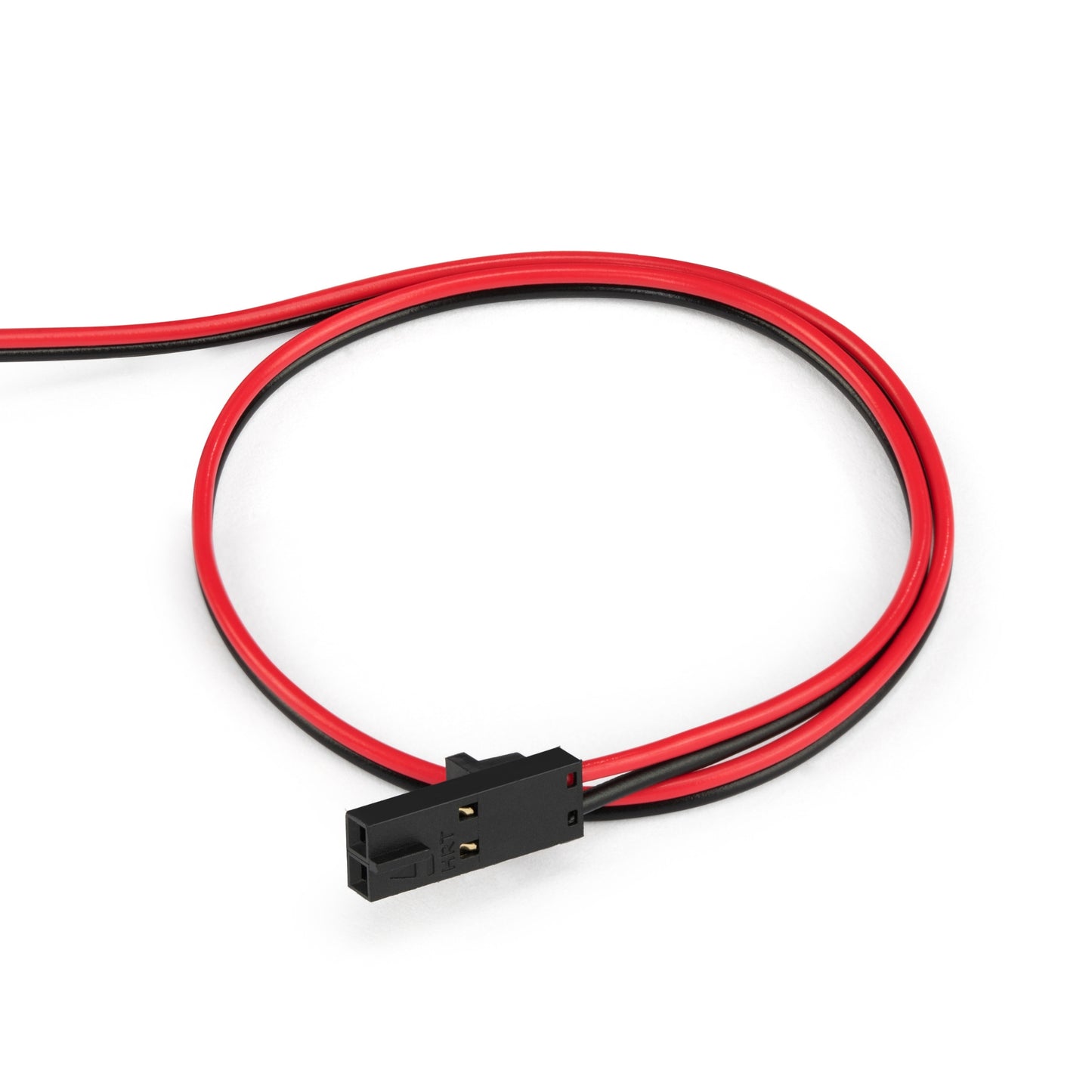
Our PA-MC3 micro linear actuators are built for projects where space is limited but smooth, reliable motion is still essential. With a compact design, they fit easily into tight installations while delivering dependable performance for small automation systems.
Made with durable reinforced plastic construction and built-in limit switches, these micro linear actuators are designed to simplify integration while maintaining consistent operation. Despite their size, they offer strong performance for a micro platform, with configurations of up to 27 lbs, making them a practical choice for applications that need compact motion without compromising capability.
As a PWM-compatible actuator, the PA-MC3 can be paired with compatible control boxes for soft start and stop functionality. This allows for smoother movement and more refined control, especially in applications where precision and user experience matter.
With simple 2-wire operation and low current draw, the PA-MC3 is easy to integrate into a wide range of systems. Whether you need an actuator for home automation, food and beverage equipment, DIY builds, or general automation, the PA-MC3 offers a versatile and efficient solution for smaller-scale motion projects. For full specifications and dimensional drawings, please see our PA-MC3 Data Sheet.
Actuators Comparison ChartCustom options
Looking for an actuator but the specifications don't exactly match what you require? We have an extensive list of customization capabilities to ensure you get exactly what you need for your project. Download this product's data sheet and find out more about your customization options!
Our PA-MC3 micro linear actuators are built for projects where space is limited but smooth, reliable motion is still essential. With a compact design, they fit easily into tight installations while delivering dependable performance for small automation systems.
Made with durable reinforced plastic construction and built-in limit switches, these micro linear actuators are designed to simplify integration while maintaining consistent operation. Despite their size, they offer strong performance for a micro platform, with configurations of up to 27 lbs, making them a practical choice for applications that need compact motion without compromising capability.
As a PWM-compatible actuator, the PA-MC3 can be paired with compatible control boxes for soft start and stop functionality. This allows for smoother movement and more refined control, especially in applications where precision and user experience matter.
With simple 2-wire operation and low current draw, the PA-MC3 is easy to integrate into a wide range of systems. Whether you need an actuator for home automation, food and beverage equipment, DIY builds, or general automation, the PA-MC3 offers a versatile and efficient solution for smaller-scale motion projects. For full specifications and dimensional drawings, please see our PA-MC3 Data Sheet.
Actuators Comparison ChartCustom options
Looking for an actuator but the specifications don't exactly match what you require? We have an extensive list of customization capabilities to ensure you get exactly what you need for your project. Download this product's data sheet and find out more about your customization options!
Following a set of standards is crucial for businesses to ensure their products and services can meet a level of quality that promotes customer satisfaction. At Progressive Automations, we aim for nothing but the best for our customers and strive toward continual improvements. Because of this, we are excited to announce that Progressive Automations is now ISO 9001:2015 certified!
Quality AssuredData Sheets

PA-MC3 User Manual
2D/3D models

PA-MC3 3D Models

Complete Guide to IP Ratings
IP Rating Chart & Guide: Waterproof & Dustproof Standards for Linear Actuators When selec...
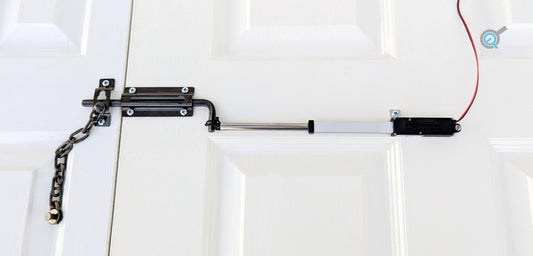
Sliding Bolt Latch Using PA-MC1 Micro Linear Actuators
Sliding bolt latches can be found nearly everywhere we go as a means of locking and securing door...

Top 5 Ideas for DIY Halloween Decorations & Animatronics
Halloween projects are an excellent way of promoting fun and creativity for everyone to get into ...
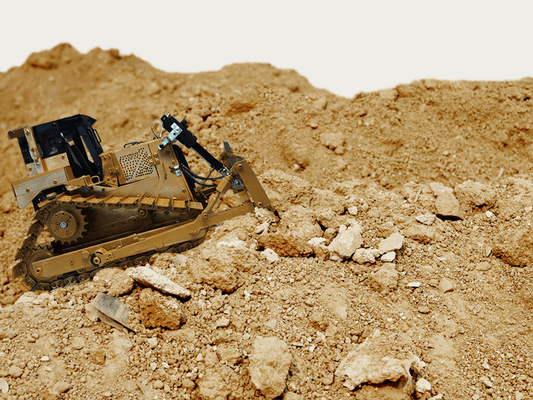
12:1 Scale Caterpillar tractor Using Micro Linear Actuators
Linear actuators are being popularly used across different industries and for various application...
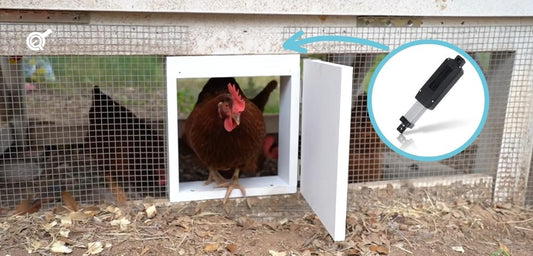
DIY Automatic Chicken Coop Door by April Wilkerson
Raising chickens and having access to fresh eggs everyday is truly rewarding, however, there are ...
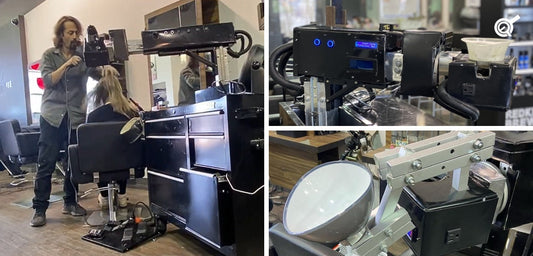
Hairdresser Robotic Arm Assistant by Joseph Dukes
Innovation is a crucial aspect of promoting growth in any business and a fresh customer experienc...

Sponsorship Donut Bot by University of Waterloo
There are several reasons why some donuts may be deemed low-quality or unsatisfactory. Sometimes,...
Depending on your application, there are different specification requirements you should consider when determining the linear actuator you need. These requirements include force, stroke, speed and mounting dimensions. For detailed actuator information, you can refer to either the datasheet or the specification table located on the selected actuator's product page. You can also contact us to speak with one of our expert engineers.
Duty cycle is the fraction of the working period in which a linear actuator can remain active. You can calculate the duty cycle of a linear actuator by using the following equation: Duty cycle (%) = (Time the linear actuator is active) / (Time for one working period)
For example: With a 25% duty cycle, an actuator can run for 5 minutes continuously before needing to rest for 15 minutes before operating.
Stroke is the travel distance of the extending rod. To find the stroke length you require, measure your application from the fully retracted position to the fully extended position. The difference will equal the stroke length you require.
We always recommend purchasing an actuator with a higher force rating than what the application requires. If unsure of your force requirements, this article may help you calculate this: How to Calculate Force to Find the Right Linear Actuator
Yes, this is possible. However, it does depend on the units you are currently using. To synchronize actuators, they require a form of feedback such as a potentiometer or hall effect sensors. For more information, see below some of our key content regarding linear actuator synchronization.
The control box you choose should be able to provide sufficient voltage and current rating to your actuator. If you are unsure of the specifications, please contact us.
Alternatively, you can also find compatible control boxes on your selected linear actuator's product page.
Backdriving is when an actuator starts sliding down under load, when it is either overloaded or when the actuator has been damaged. Watch the video.
What Does Dynamic and Static Load Ratings Mean?Dynamic load rating is the amount of weight an actuator can pull or push safely when being powered. Static load rating is the amount of weight the actuator can hold or withstand without back driving when it is not being powered. For example, let's just say you have an actuator installed on a window and the static load rating of the actuator is 100lbs, it could experience backdriving when there is a high wind event, which means there will be more pressure exerted on the actuator which would exceed the 100lbs load rating of the actuator.
What Is Lateral Loading?Lateral loading is when the actuator experiences forces from the lateral plane. Actuators are not meant to handle lateral forces at all so if it experiences any lateral forces, it will likely damage the actuator or bend the rod. So it's advised never to use lateral forces and always make sure the actuator is fully in line or in sync with your application, so it does not take any load other than the axial load. Watch the video.