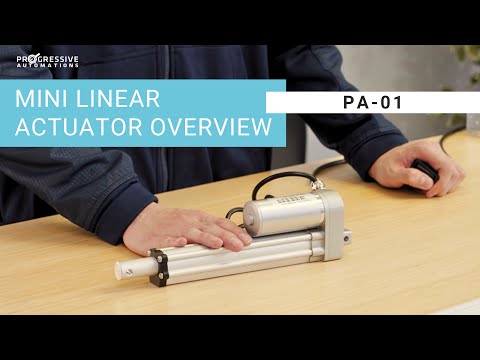
Mini-Linearantrieb IP65 mit Rückmeldung
Mini-Linearantrieb IP65 mit Rückmeldung
Modell: PA-01-HS

Verfügbarkeit für Abholung konnte nicht geladen werden


Der PA-01-HALL ist aufgrund seiner Spannungskompatibilität in den Optionen 12 V DC und 24 V DC erhältlich und bietet einen weiten Hubbereich von 1 Zoll bis 40 Zoll sowie Nennleistungen, die dynamische und statische Kräfte im Bereich von 16 Pfund bis 225 Pfund aufnehmen können. Der PA-01-HALL verfügt über einen 6-poligen Anschluss für Sensorfeedback, was die Installation und Integration in bestehende Systeme vereinfacht. Ähnlich dem Standard PA-01, hochwertige Materialien wie die Edelstahl-Hubstange und das Gehäuse aus Aluminiumlegierung sorgen in Kombination mit einem IP65-Schutzgrad für Haltbarkeit und Langlebigkeit in verschiedenen Umgebungen gegen Staub und begrenztes Eindringen von Wasser.
Dieser kompakte Aktuator mit mittleren Kraftfähigkeiten hat eine niedrige Stromaufnahme und ist ideal für Branchen wie Essen und Getränke, Hausautomation, allgemeine Automatisierung, und medizinische Industrie. Eine vollständige Liste der Spezifikationen, Anpassungsoptionen und Maßzeichnungen finden Sie in unserem PA-01-Datenblatt.
*Das Produktgehäuse kann je nach verfügbarem Inventar für die gewählte Kraft und Hublänge zum Zeitpunkt der Bestellung von den Bildern abweichen.
Vergleichstabelle für Aktuatoren
BEFESTIGUNGSMÖGLICHKEITEN:
Das BRK-14, BRK-01-U, BRK-21, und BRK-22 Halterungen, die für den Mini-Linearantrieb entwickelt wurden, ermöglichen einen einfachen Installationsvorgang. Weitere Informationen und Spezifikationen finden Sie auf unserer Produktseite für Halterungen.
STEUERUNGSSYSTEME:
Der PA-01-HALL ist mit den drahtlosen Hall-Effekt-Sensor-Steuerboxen PA-40, PA-40-24 V DC und PA-41 sowie mit der kabelgebundenen FLTCON-Steuerbox-Serie kompatibel. Weitere Informationen zu unseren Plug-n-Play-Steuerboxen und Entwicklungs-Mikrocontrollern finden Sie auf unserer Seite mit Steuerungssystemen.
*Unsere PA-01-HALL-Aktuatoren mit 24-VDC-Motoren sind mit den Steuerkästen der Serien PA-40, PA-40-24 V DC und PA-41-4-12V24V sowie FLTCON für mehrere Aktuatoren kompatibel, die sich synchron mit derselben Geschwindigkeit bewegen müssen. Für weitere Informationen wenden Sie sich bitte an sales@progressiveautomations.com, um die Kompatibilität dieses Produkts mit den Steuerboxen von Progressive Automations zu bestätigen.
Benutzerdefinierte Optionen
Sie suchen einen Aktor, aber die Spezifikationen entsprechen nicht exakt Ihren Anforderungen? Wir bieten Ihnen umfangreiche Anpassungsmöglichkeiten, damit Sie genau das bekommen, was Sie für Ihr Projekt benötigen. Laden Sie das Datenblatt dieses Produkts herunter und erfahren Sie mehr über Ihre Anpassungsoptionen!
Der PA-01-HALL ist aufgrund seiner Spannungskompatibilität in den Optionen 12 V DC und 24 V DC erhältlich und bietet einen weiten Hubbereich von 1 Zoll bis 40 Zoll sowie Nennleistungen, die dynamische und statische Kräfte im Bereich von 16 Pfund bis 225 Pfund aufnehmen können. Der PA-01-HALL verfügt über einen 6-poligen Anschluss für Sensorfeedback, was die Installation und Integration in bestehende Systeme vereinfacht. Ähnlich dem Standard PA-01, hochwertige Materialien wie die Edelstahl-Hubstange und das Gehäuse aus Aluminiumlegierung sorgen in Kombination mit einem IP65-Schutzgrad für Haltbarkeit und Langlebigkeit in verschiedenen Umgebungen gegen Staub und begrenztes Eindringen von Wasser.
Dieser kompakte Aktuator mit mittleren Kraftfähigkeiten hat eine niedrige Stromaufnahme und ist ideal für Branchen wie Essen und Getränke, Hausautomation, allgemeine Automatisierung, und medizinische Industrie. Eine vollständige Liste der Spezifikationen, Anpassungsoptionen und Maßzeichnungen finden Sie in unserem PA-01-Datenblatt.
*Das Produktgehäuse kann je nach verfügbarem Inventar für die gewählte Kraft und Hublänge zum Zeitpunkt der Bestellung von den Bildern abweichen.
Vergleichstabelle für Aktuatoren
BEFESTIGUNGSMÖGLICHKEITEN:
Das BRK-14, BRK-01-U, BRK-21, und BRK-22 Halterungen, die für den Mini-Linearantrieb entwickelt wurden, ermöglichen einen einfachen Installationsvorgang. Weitere Informationen und Spezifikationen finden Sie auf unserer Produktseite für Halterungen.
STEUERUNGSSYSTEME:
Der PA-01-HALL ist mit den drahtlosen Hall-Effekt-Sensor-Steuerboxen PA-40, PA-40-24 V DC und PA-41 sowie mit der kabelgebundenen FLTCON-Steuerbox-Serie kompatibel. Weitere Informationen zu unseren Plug-n-Play-Steuerboxen und Entwicklungs-Mikrocontrollern finden Sie auf unserer Seite mit Steuerungssystemen.
*Unsere PA-01-HALL-Aktuatoren mit 24-VDC-Motoren sind mit den Steuerkästen der Serien PA-40, PA-40-24 V DC und PA-41-4-12V24V sowie FLTCON für mehrere Aktuatoren kompatibel, die sich synchron mit derselben Geschwindigkeit bewegen müssen. Für weitere Informationen wenden Sie sich bitte an sales@progressiveautomations.com, um die Kompatibilität dieses Produkts mit den Steuerboxen von Progressive Automations zu bestätigen.
Benutzerdefinierte Optionen
Sie suchen einen Aktor, aber die Spezifikationen entsprechen nicht exakt Ihren Anforderungen? Wir bieten Ihnen umfangreiche Anpassungsmöglichkeiten, damit Sie genau das bekommen, was Sie für Ihr Projekt benötigen. Laden Sie das Datenblatt dieses Produkts herunter und erfahren Sie mehr über Ihre Anpassungsoptionen!
Die Einhaltung von Normen ist für Unternehmen unerlässlich, um sicherzustellen, dass ihre Produkte und Dienstleistungen ein Qualitätsniveau erreichen, das die Kundenzufriedenheit fördert. Wir bei Progressive Automations streben stets nach dem Besten für unsere Kunden und verbessern uns kontinuierlich. Daher freuen wir uns, Ihnen mitteilen zu können, dass Progressive Automations nun nach ISO 9001:2015 zertifiziert ist!
Qualität, der Sie vertrauen können – Erfahren Sie mehrDatenblätter
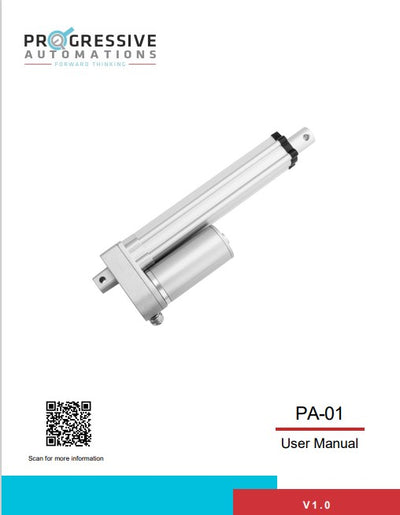
PA-01 Datenblatt
2D/3D-Modelle

PA-01 3D-Modelle

Die 5 besten Ideen für DIY-Halloween-Dekorationen und Animatronics
Halloween-Projekte sind eine hervorragende Möglichkeit, Spaß und Kreativität zu fördern, damit je...

Wir stellen unseren Mini-Linearantrieb PA-01 mit IP65-Schutz vor
Haltbarkeit und Raumeffizienz sind oft sehr gefragte Eigenschaften von elektrischen Linearantrieb...
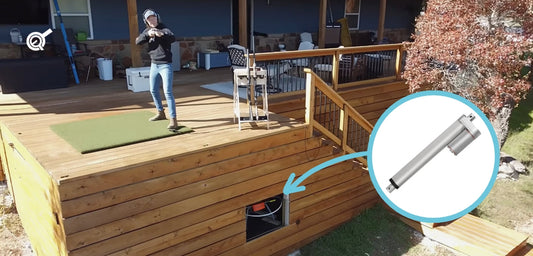
DIY Automatische Tür für den Fallenauslöser von April Wilkerson
Ein neues Hobby zu genießen und jeden Tag neue Dinge auszuprobieren, ist eine großartige Möglichk...
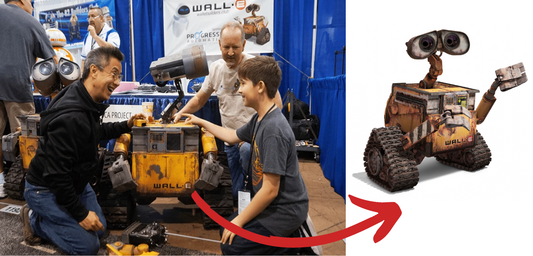
Treffen Sie den gehenden und sprechenden Wall-E und seine Schöpfer!
Wir werfen einen Blick zurück auf einige unserer beliebtesten Artikel, überarbeiten sie und veröf...

Erfolgsgeschichte einer mobilen Barbershop mit Mini-Linearantrieben
Mit steigenden Immobilienpreisen suchen Unternehmen ständig nach innovativen Möglichkeiten, ihren...
Je nach Anwendungsfall gibt es unterschiedliche Spezifikationsanforderungen, die Sie bei der Bestimmung der Linearantrieb Sie benötigen die benötigten Informationen. Diese Anforderungen umfassen Kraft, Hub, Geschwindigkeit und Einbaumaße. Detaillierte Informationen zum Aktor finden Sie im Datenblatt oder in der Spezifikationstabelle auf der Produktseite des jeweiligen Aktors. Kontaktieren Sie uns um mit einem unserer erfahrenen Ingenieure zu sprechen.
TastverhältnisDer Tastgrad gibt den Anteil der Arbeitszeit an, in dem ein Linearantrieb aktiv bleiben kann. Sie können den Tastgrad eines Linearantriebs mithilfe der folgenden Gleichung berechnen:Arbeitszyklus (%) = (Zeit, in der der Linearantrieb aktiv ist) / (Zeit für eine Arbeitsperiode)
Beispiel: Bei einem Arbeitszyklus von 25 % kann ein Aktor 5 Minuten lang ununterbrochen laufen, bevor er 15 Minuten ruhen muss, bevor er wieder in Betrieb genommen werden kann.
SchlaganfallDer Hubweg der Ausfahrstange wird mit bezeichnet. Um die benötigte Hublänge zu ermitteln, messen Sie den Abstand zwischen der vollständig eingefahrenen und der vollständig ausgefahrenen Position. Die Differenz entspricht der benötigten Hublänge.
Wir empfehlen stets, einen Aktor mit einer höheren Nennkraft als für die jeweilige Anwendung erforderlich zu kaufen. Falls Sie sich bezüglich Ihrer Kraftanforderungen unsicher sind, kann Ihnen dieser Artikel bei der Berechnung helfen:Wie man die Kraft berechnet, um den richtigen Linearantrieb zu finden
Ja, das ist möglich. Es hängt jedoch von den verwendeten Geräten ab. Zur Synchronisierung von Aktuatoren ist eine Rückkopplung erforderlich, beispielsweise über ein Potentiometer oder Hall-Sensoren. Weitere Informationen finden Sie in unseren wichtigsten Artikeln zur Synchronisierung von Linearantrieben weiter unten.
DerKontrollkästchenDas von Ihnen gewählte Gerät sollte die erforderliche Spannung und Stromstärke für Ihren Aktor liefern. Falls Sie sich bezüglich der Spezifikationen unsicher sind, wenden Sie sich bitte an uns.Kontaktieren Sie unsDie
Alternativ finden Sie kompatible Steuereinheiten auch auf der Produktseite des von Ihnen ausgewählten Linearantriebs.
Rückwärtsfahren bedeutet, dass ein Aktor unter Last nach unten rutscht, entweder weil er überlastet ist oder weil er beschädigt wurde. Schau dir das Video an.
Was bedeuten dynamische und statische Tragfähigkeitskennwerte?Dynamische Tragfähigkeit ist die Gewichtsmenge, die ein Aktor im eingeschalteten Zustand sicher ziehen oder schieben kann. Statische Tragfähigkeit Die statische Tragfähigkeit gibt an, wie viel Gewicht der Aktuator im Ruhezustand ohne Rückwärtsbewegung aushalten kann. Angenommen, ein Aktuator ist an einem Fenster installiert und seine statische Tragfähigkeit beträgt 100 lb (ca. 45 kg). Bei starkem Wind kann es zu einer Rückwärtsbewegung kommen, da der auf den Aktuator wirkende Druck die zulässige Tragfähigkeit von 100 lb (ca. 45 kg) überschreitet.
Was ist eine seitliche Belastung?Seitliche Belastung tritt auf, wenn der Aktor Kräften aus der seitlichen Ebene ausgesetzt ist. Aktoren sind nicht für die Aufnahme seitlicher Kräfte ausgelegt. Werden seitliche Kräfte einwirkende Kräfte verwendet, kann dies den Aktor beschädigen oder die Kolbenstange verbiegen. Daher wird dringend empfohlen, niemals seitliche Kräfte anzuwenden und stets sicherzustellen, dass der Aktor vollständig ausgerichtet bzw. mit Ihrer Anwendung synchronisiert ist, sodass er keine anderen Lasten als die axiale Last aufnimmt. Schau dir das Video an.