


Ultra kompaktni mikro linearni aktuator 12V
Ultra kompaktni mikro linearni aktuator 12V
Model: PA-MC3
Couldn't load pickup availability


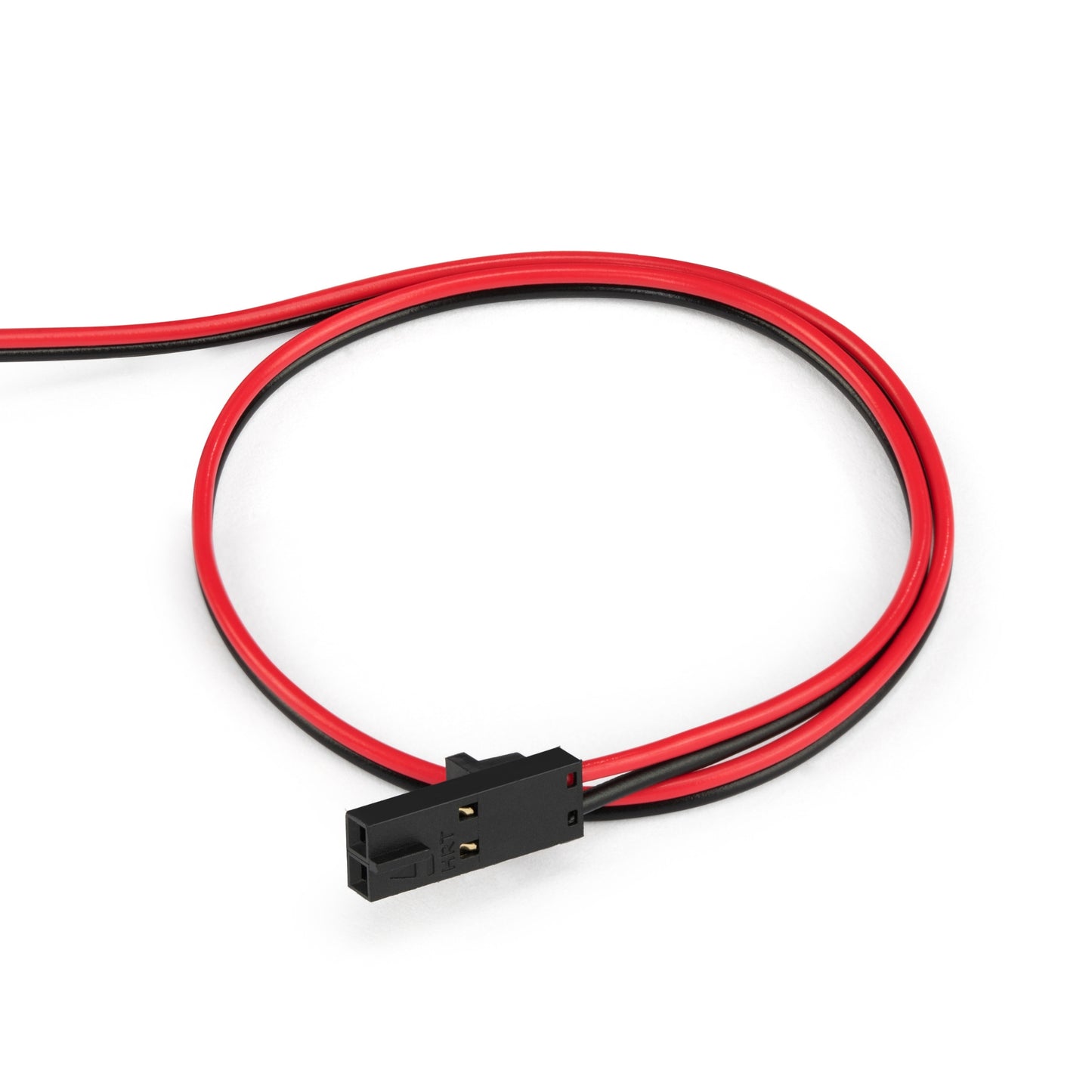
Naše Mikro linearni aktuatorji PA-MC3 so izdelani za projekte, kjer je prostor omejen, vendar je gladko in zanesljivo gibanje še vedno bistvenega pomena. Z kompakten Zaradi svoje zasnove se enostavno prilegajo tesnim instalacijam, hkrati pa zagotavljajo zanesljivo delovanje za majhne avtomatizacijske sisteme.
Izdelane so iz trpežne ojačane plastične konstrukcije in imajo vgrajena končna stikala. mikro linearni aktuatorji Zasnovani so za poenostavitev integracije, hkrati pa ohranjajo dosledno delovanje. Kljub svoji velikosti ponujajo visoko zmogljivost za mikro platformo, s konfiguracijami do 11 kg, zaradi česar so praktična izbira za aplikacije, ki potrebujejo kompaktno gibanje brez kompromisov pri zmogljivosti.
Kot aktuator, združljiv s PWM, je PA-MC3 mogoče povezati z združljivimi krmilnimi omarami za mehak zagon in zaustavitev. To omogoča bolj gladko gibanje in natančnejši nadzor, zlasti v aplikacijah, kjer sta pomembni natančnost in uporabniška izkušnja.
Z enostavnim 2-žičnim delovanjem in nizko porabo toka je PA-MC3 enostavno integrirati v širok spekter sistemov. Ne glede na to, ali potrebujete aktuator za domačo avtomatizacijo, oprema za hrano in pijačo, samostojne gradnje ali splošna avtomatizacijaPA-MC3 ponuja vsestransko in učinkovito rešitev za manjše projekte gibanja. Za celotne specifikacije in dimenzijske risbe si oglejte naš podatkovni list PA-MC3.
Actuators Comparison ChartCustom options
Looking for an actuator but the specifications don't exactly match what you require? We have an extensive list of customization capabilities to ensure you get exactly what you need for your project. Download this product's data sheet and find out more about your customization options!
Naše Mikro linearni aktuatorji PA-MC3 so izdelani za projekte, kjer je prostor omejen, vendar je gladko in zanesljivo gibanje še vedno bistvenega pomena. Z kompakten Zaradi svoje zasnove se enostavno prilegajo tesnim instalacijam, hkrati pa zagotavljajo zanesljivo delovanje za majhne avtomatizacijske sisteme.
Izdelane so iz trpežne ojačane plastične konstrukcije in imajo vgrajena končna stikala. mikro linearni aktuatorji Zasnovani so za poenostavitev integracije, hkrati pa ohranjajo dosledno delovanje. Kljub svoji velikosti ponujajo visoko zmogljivost za mikro platformo, s konfiguracijami do 11 kg, zaradi česar so praktična izbira za aplikacije, ki potrebujejo kompaktno gibanje brez kompromisov pri zmogljivosti.
Kot aktuator, združljiv s PWM, je PA-MC3 mogoče povezati z združljivimi krmilnimi omarami za mehak zagon in zaustavitev. To omogoča bolj gladko gibanje in natančnejši nadzor, zlasti v aplikacijah, kjer sta pomembni natančnost in uporabniška izkušnja.
Z enostavnim 2-žičnim delovanjem in nizko porabo toka je PA-MC3 enostavno integrirati v širok spekter sistemov. Ne glede na to, ali potrebujete aktuator za domačo avtomatizacijo, oprema za hrano in pijačo, samostojne gradnje ali splošna avtomatizacijaPA-MC3 ponuja vsestransko in učinkovito rešitev za manjše projekte gibanja. Za celotne specifikacije in dimenzijske risbe si oglejte naš podatkovni list PA-MC3.
Actuators Comparison ChartCustom options
Looking for an actuator but the specifications don't exactly match what you require? We have an extensive list of customization capabilities to ensure you get exactly what you need for your project. Download this product's data sheet and find out more about your customization options!
Following a set of standards is crucial for businesses to ensure their products and services can meet a level of quality that promotes customer satisfaction. At Progressive Automations, we aim for nothing but the best for our customers and strive toward continual improvements. Because of this, we are excited to announce that Progressive Automations is now ISO 9001:2015 certified!
Quality AssuredData Sheets

PA-MC3 User Manual
2D/3D models

PA-MC3 3D Models

Celovit vodnik po razredih zaščite IP
Med najpogostejšimi vprašanji, ki jih prejmemo, so tista o zaščiti IP in razredih zaščite. Kaj po...
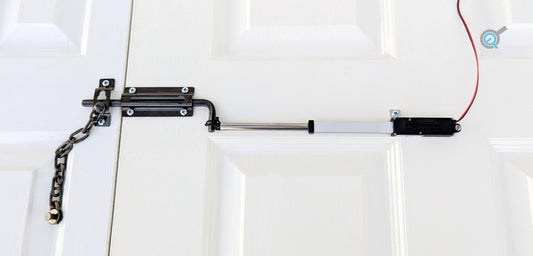
Drsni zapah z uporabo mikro linearnih aktuatorjev PA-MC1
Drsni zapahi se nahajajo skoraj povsod, kamor gremo, kot način zaklepanja in varovanja vrat. Z vk...

Top 5 idej za DIY halloweenske dekoracije in animatroniko
Projekti za noč čarovnic so odličen način, da pri vseh spodbudite zabavo in ustvarjalnost ter jih...
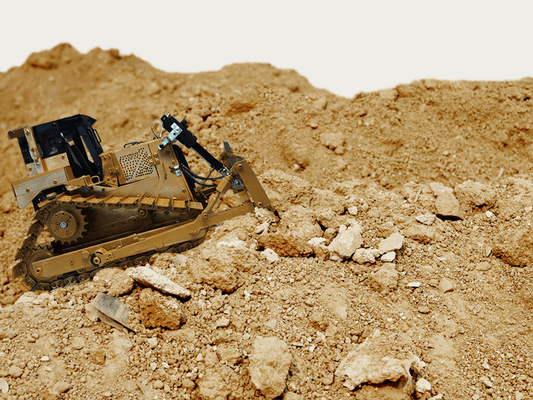
Traktor Caterpillar v merilu 12:1 z mikro linearnimi aktuatorji
Linearni aktuatorji se pogosto uporabljajo v različnih panogah in za številne uporabe. Inovatorji...
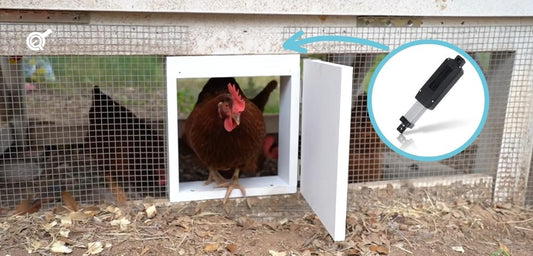
DIY samodejna vrata za kokošnjak od April Wilkerson
Reja kokoši in vsakodnevni dostop do svežih jajc je res nagrajujoča, vendar prinaša tudi nekaj iz...
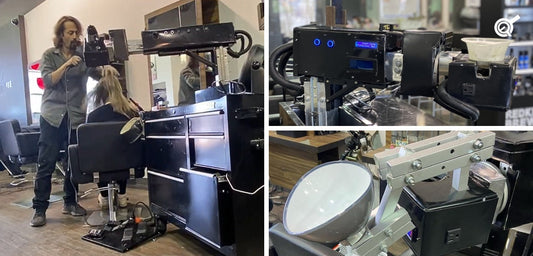
Frizerski asistent z robotsko roko Josepha Dukesa
Inovacije so ključnega pomena za spodbujanje rasti v vsakem podjetju in za svežo izkušnjo strank....

Sponzorstvo DonutBota Univerze Waterloo
Obstaja več razlogov, zakaj se lahko nekateri krofi zdijo nekakovostni ali nezadovoljivi. Včasih ...
Depending on your application, there are different specification requirements you should consider when determining the linear actuator you need. These requirements include force, stroke, speed and mounting dimensions. For detailed actuator information, you can refer to either the datasheet or the specification table located on the selected actuator's product page. You can also contact us to speak with one of our expert engineers.
Duty cycle is the fraction of the working period in which a linear actuator can remain active. You can calculate the duty cycle of a linear actuator by using the following equation: Duty cycle (%) = (Time the linear actuator is active) / (Time for one working period)
For example: With a 25% duty cycle, an actuator can run for 5 minutes continuously before needing to rest for 15 minutes before operating.
Stroke is the travel distance of the extending rod. To find the stroke length you require, measure your application from the fully retracted position to the fully extended position. The difference will equal the stroke length you require.
We always recommend purchasing an actuator with a higher force rating than what the application requires. If unsure of your force requirements, this article may help you calculate this: How to Calculate Force to Find the Right Linear Actuator
Yes, this is possible. However, it does depend on the units you are currently using. To synchronize actuators, they require a form of feedback such as a potentiometer or hall effect sensors. For more information, see below some of our key content regarding linear actuator synchronization.
The control box you choose should be able to provide sufficient voltage and current rating to your actuator. If you are unsure of the specifications, please contact us.
Alternatively, you can also find compatible control boxes on your selected linear actuator's product page.
Backdriving is when an actuator starts sliding down under load, when it is either overloaded or when the actuator has been damaged. Watch the video.
What Does Dynamic and Static Load Ratings Mean?Dynamic load rating is the amount of weight an actuator can pull or push safely when being powered. Static load rating is the amount of weight the actuator can hold or withstand without back driving when it is not being powered. For example, let's just say you have an actuator installed on a window and the static load rating of the actuator is 100lbs, it could experience backdriving when there is a high wind event, which means there will be more pressure exerted on the actuator which would exceed the 100lbs load rating of the actuator.
What Is Lateral Loading?Lateral loading is when the actuator experiences forces from the lateral plane. Actuators are not meant to handle lateral forces at all so if it experiences any lateral forces, it will likely damage the actuator or bend the rod. So it's advised never to use lateral forces and always make sure the actuator is fully in line or in sync with your application, so it does not take any load other than the axial load. Watch the video.