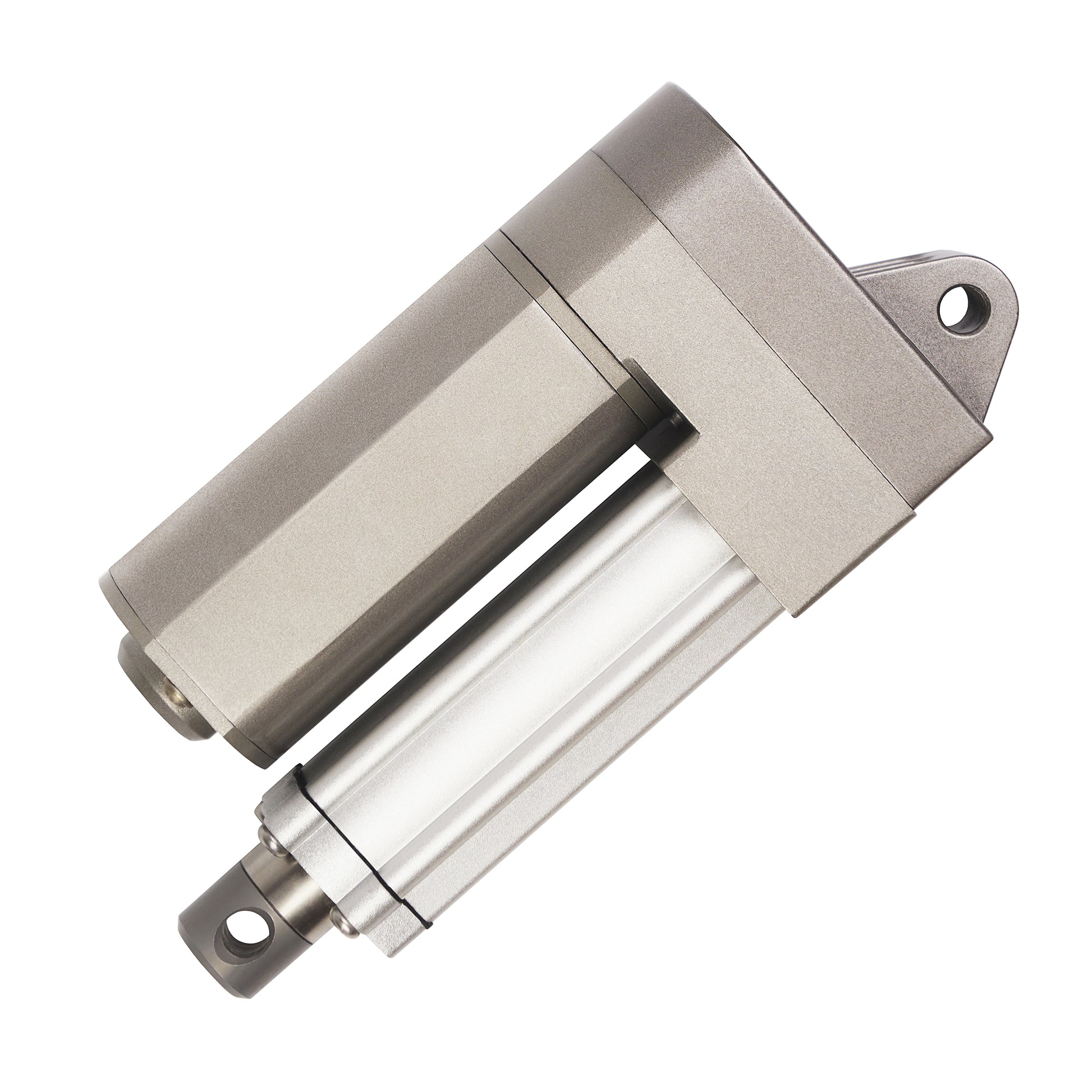
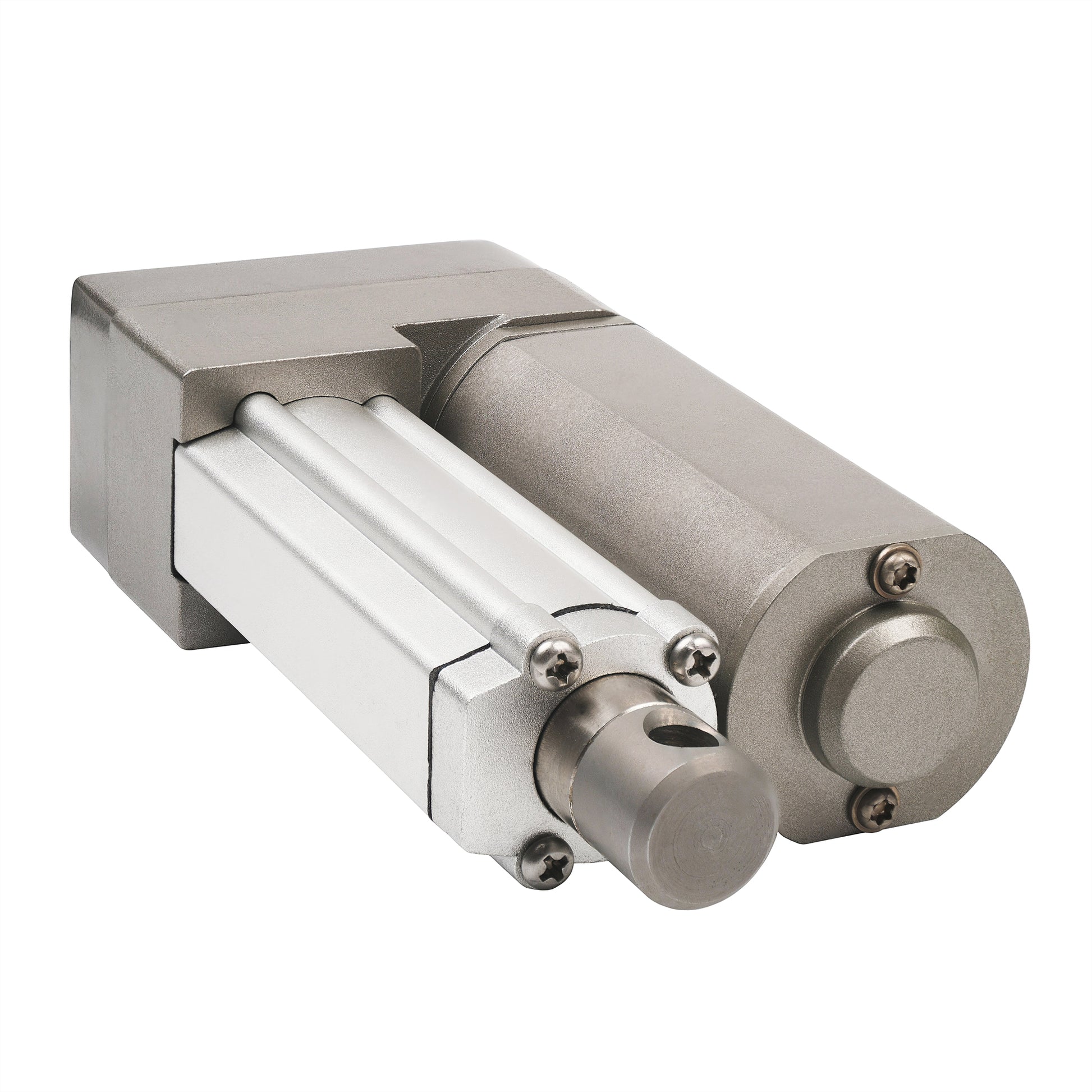
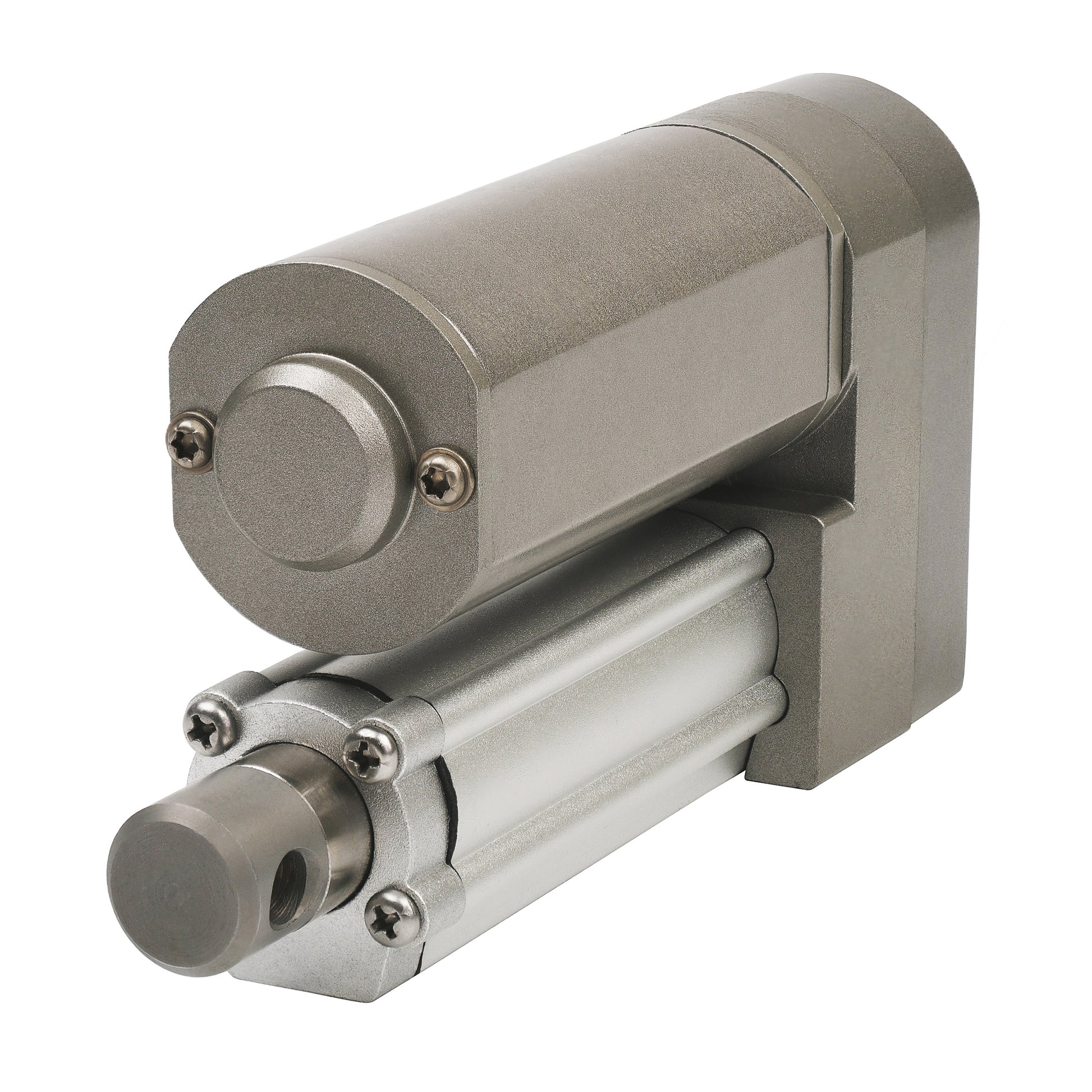
Mini attuatore industriale con Feedback
Mini attuatore industriale con Feedback
Modello: PA-09-12-330-HS-12VDC
Impossibile caricare disponibilità ritiro
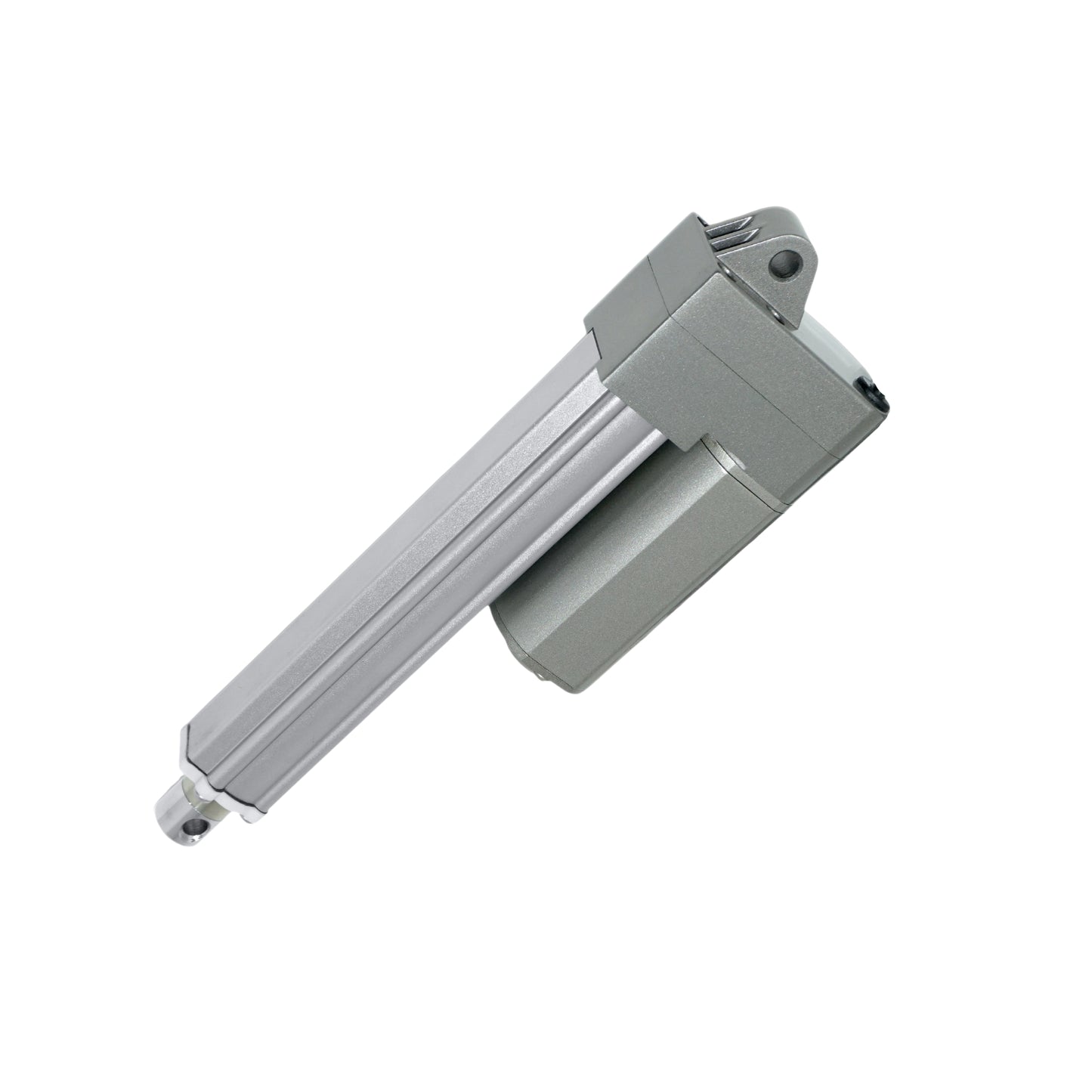
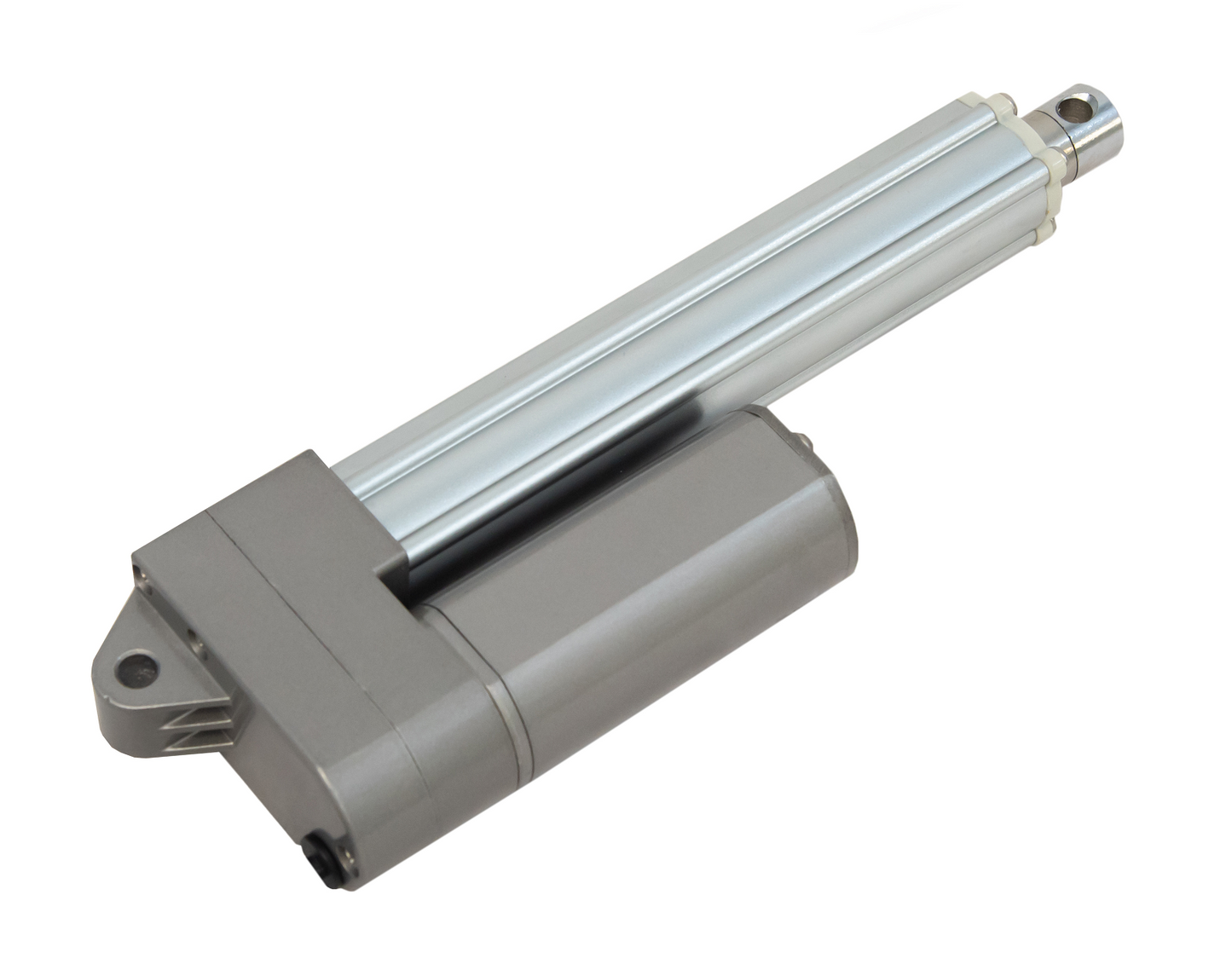
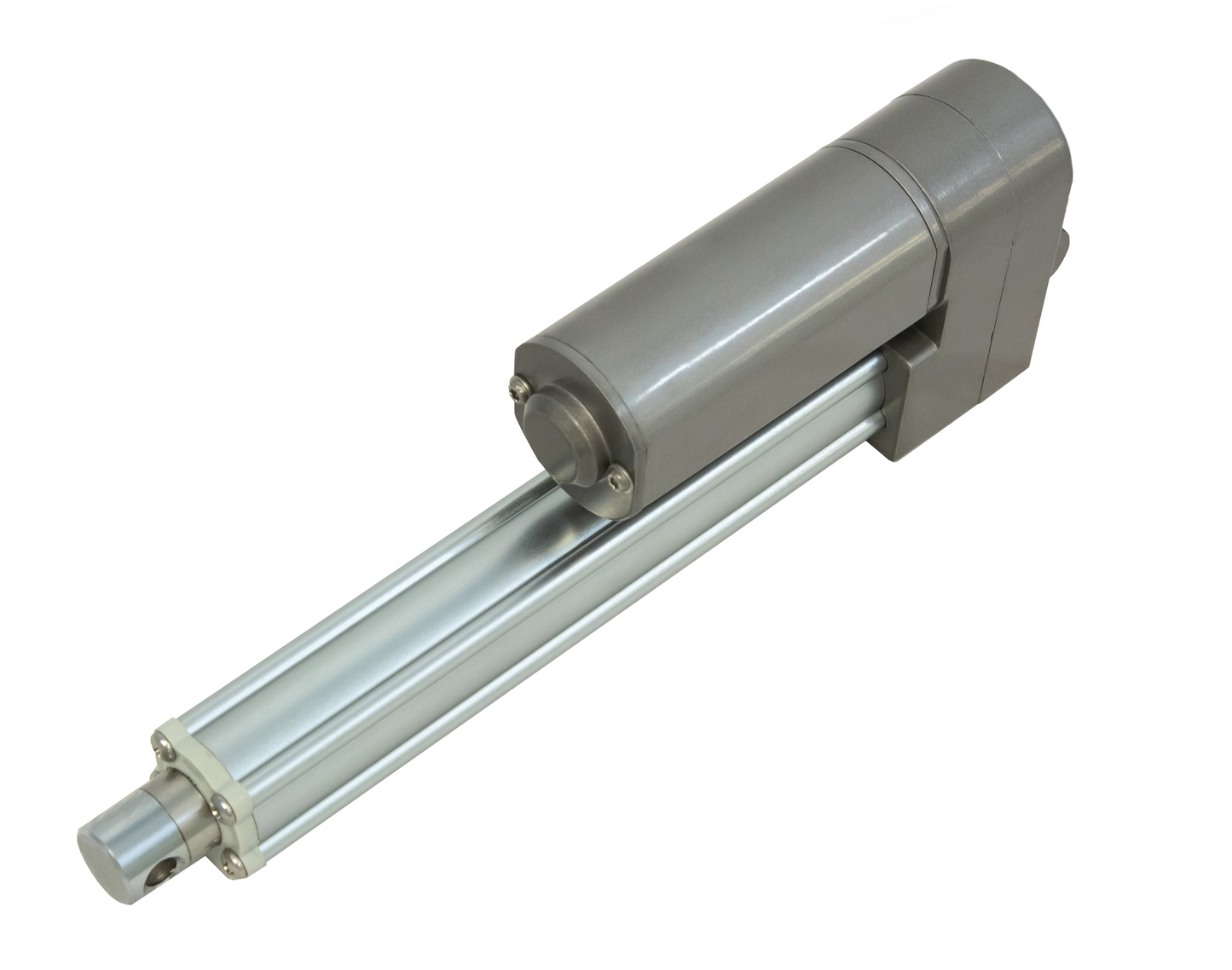
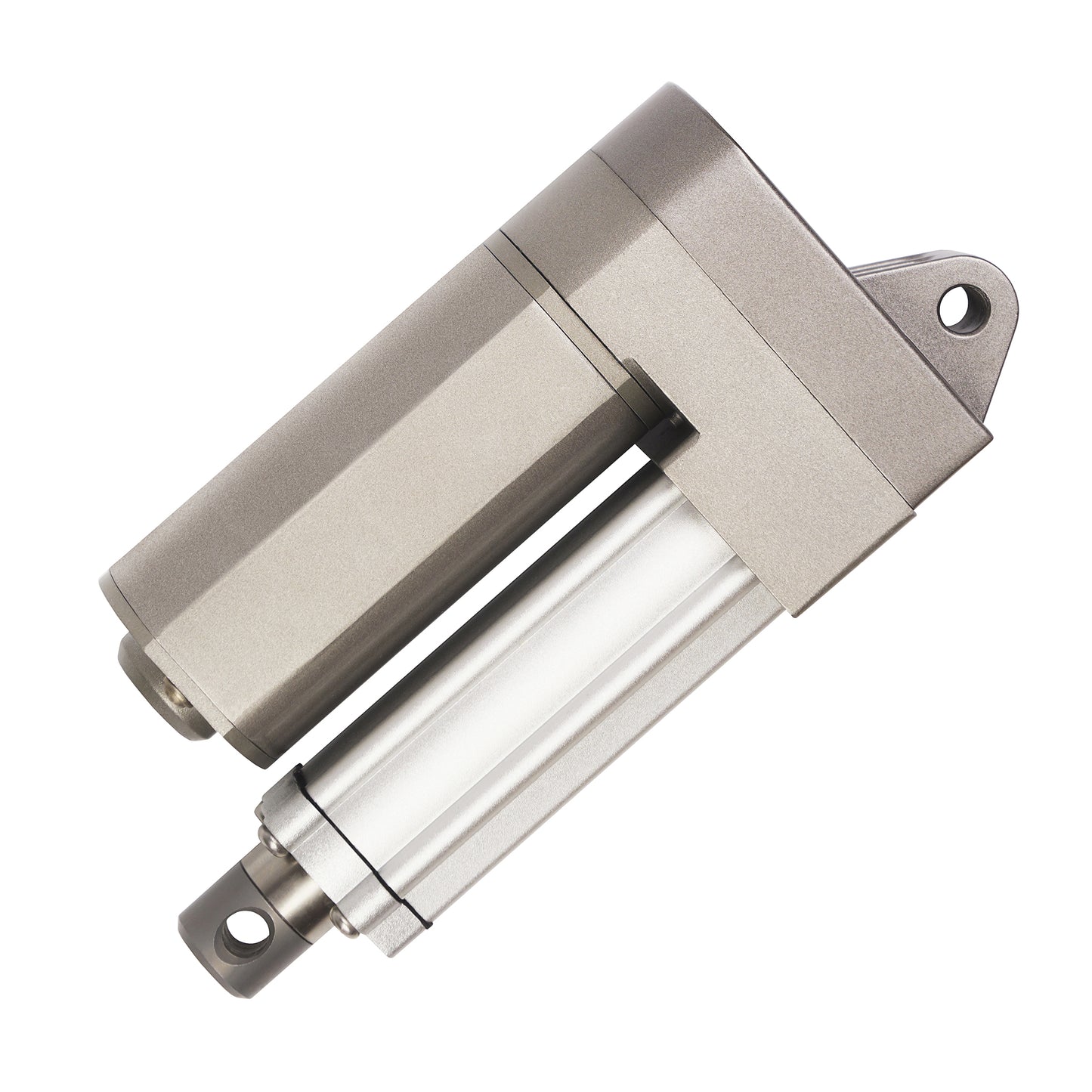
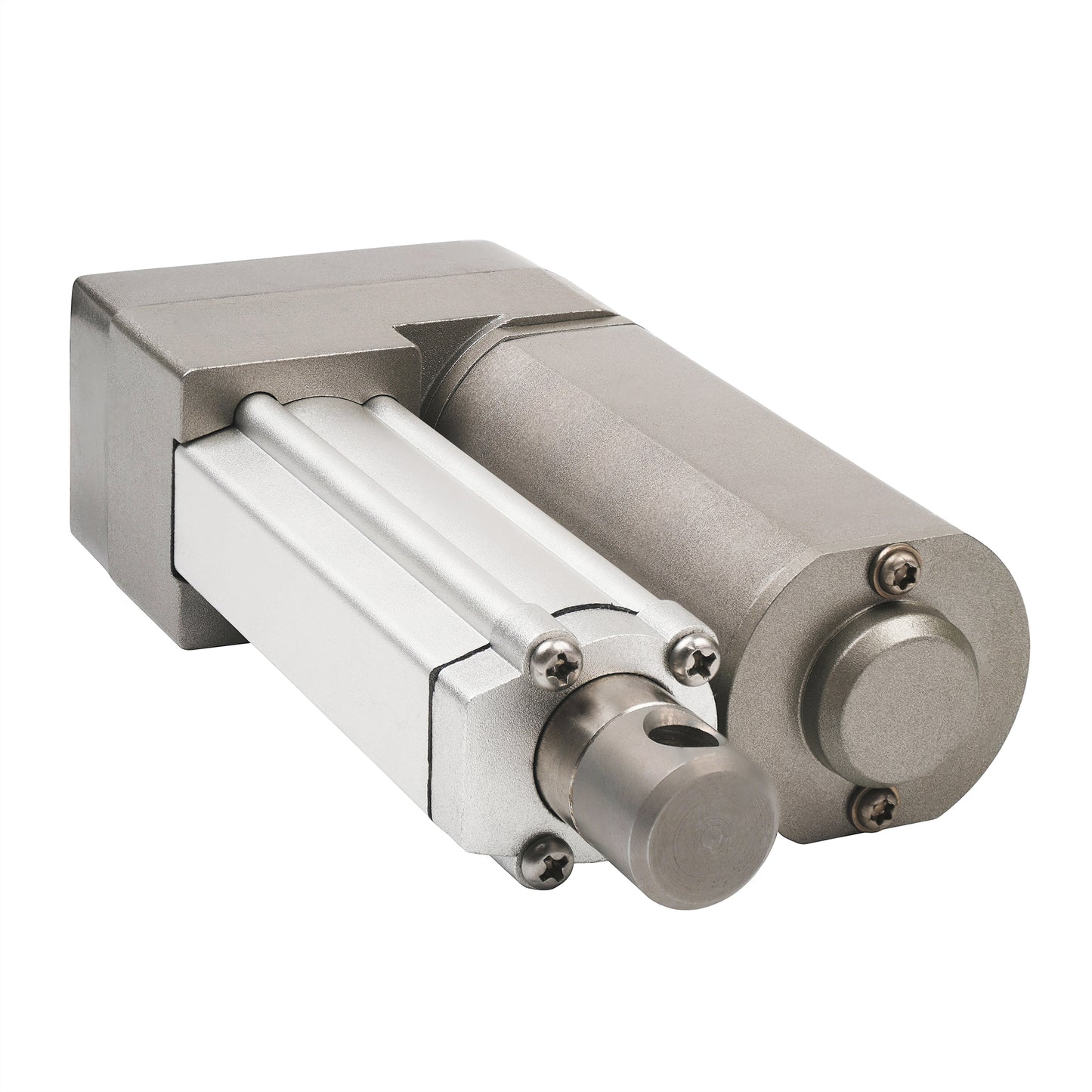
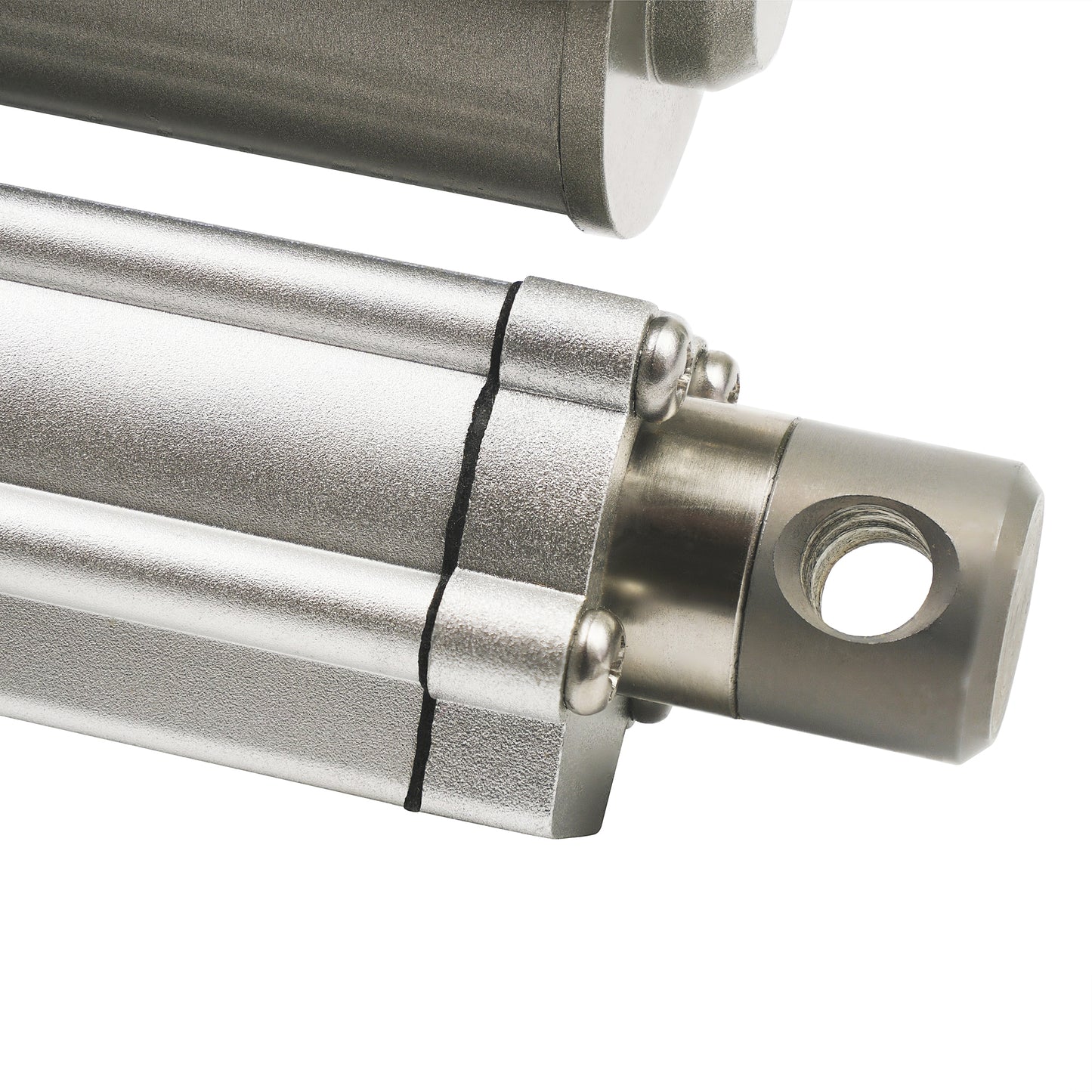
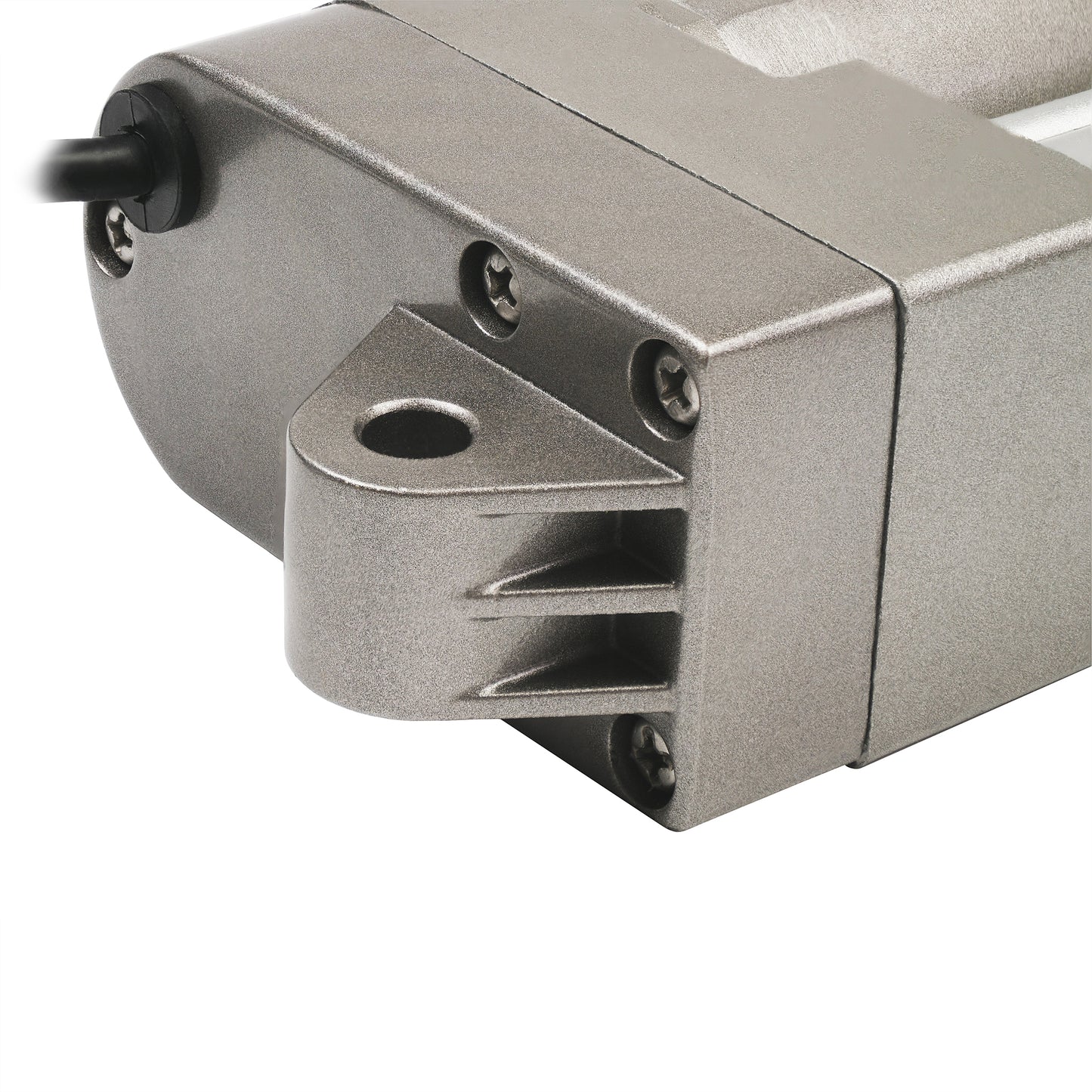
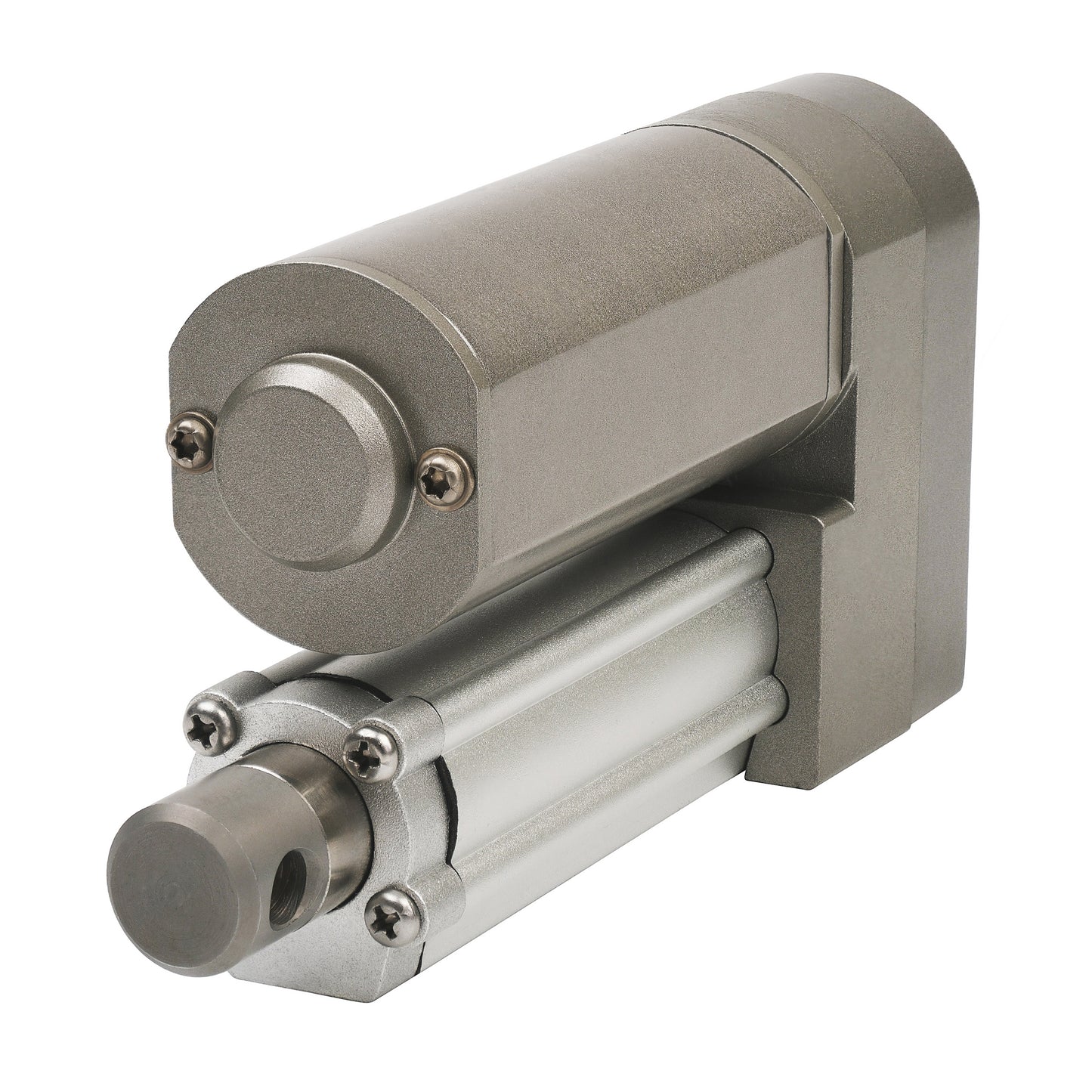
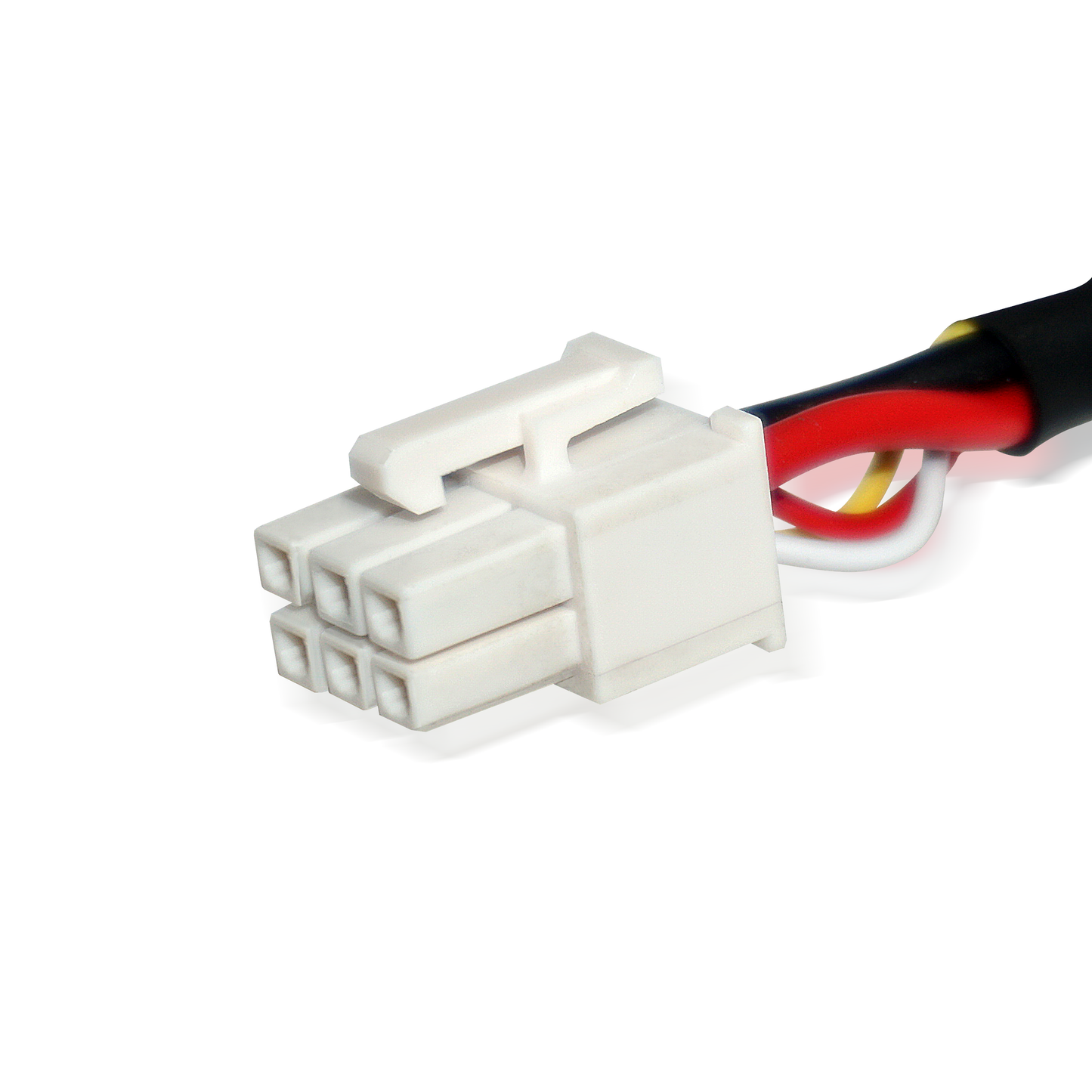
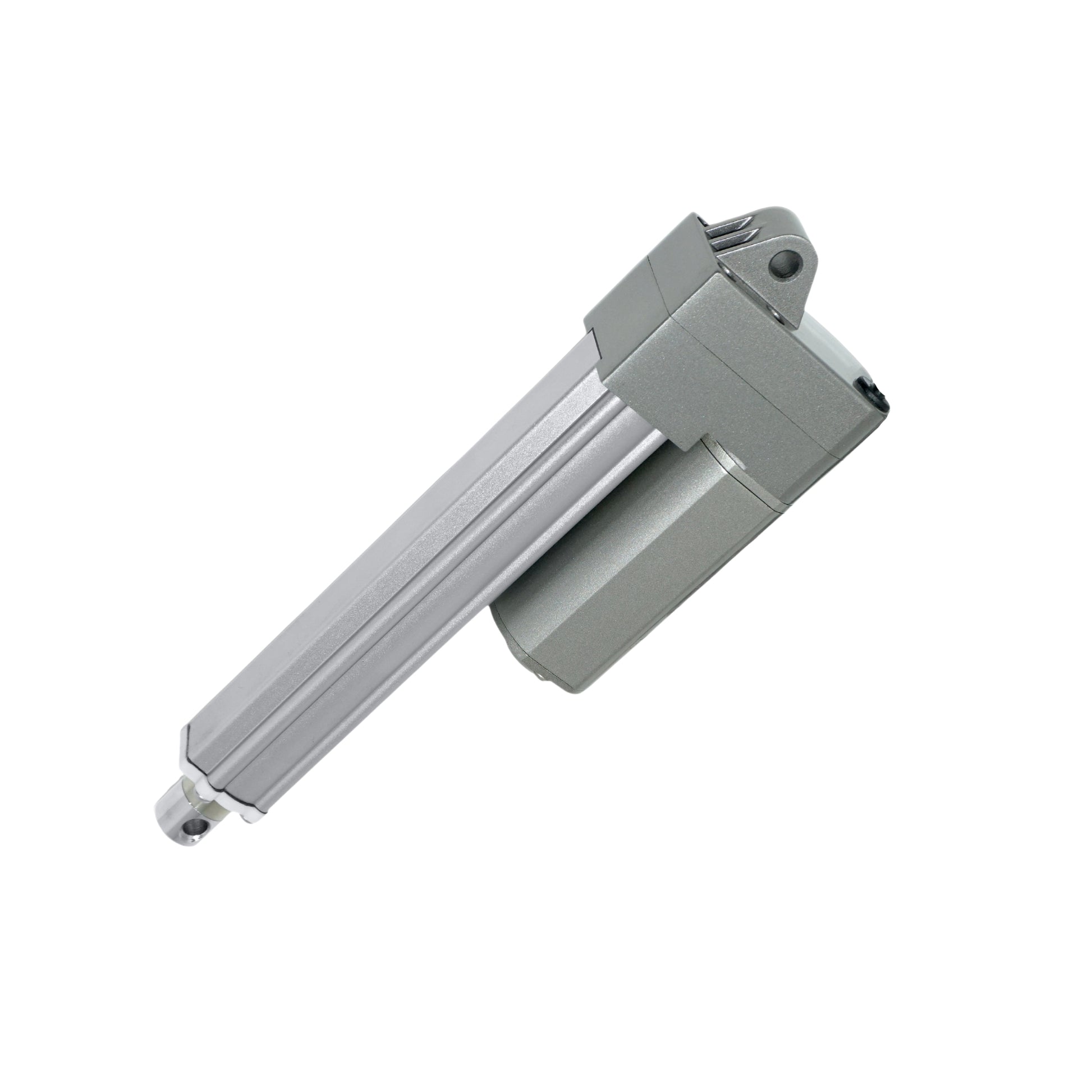
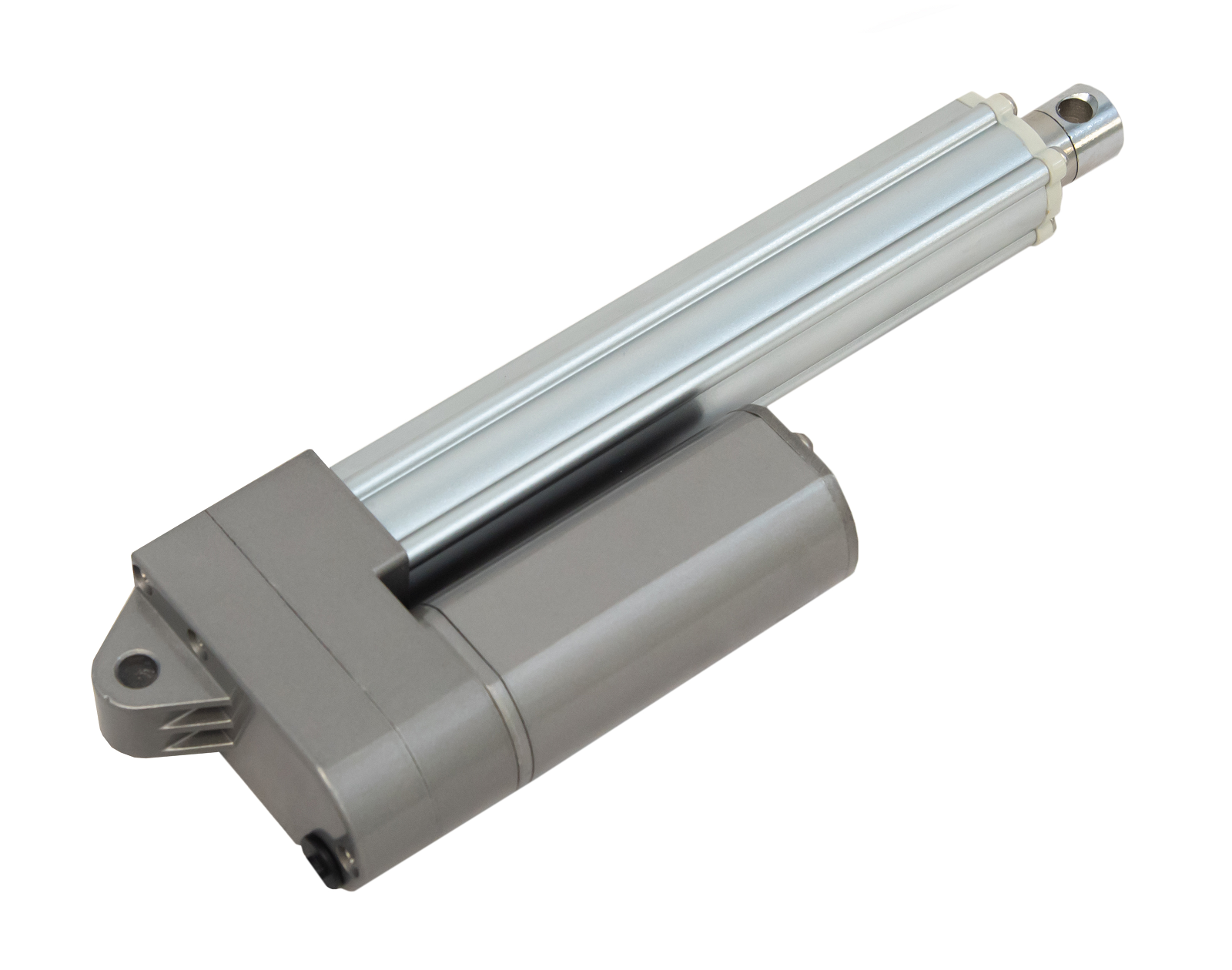
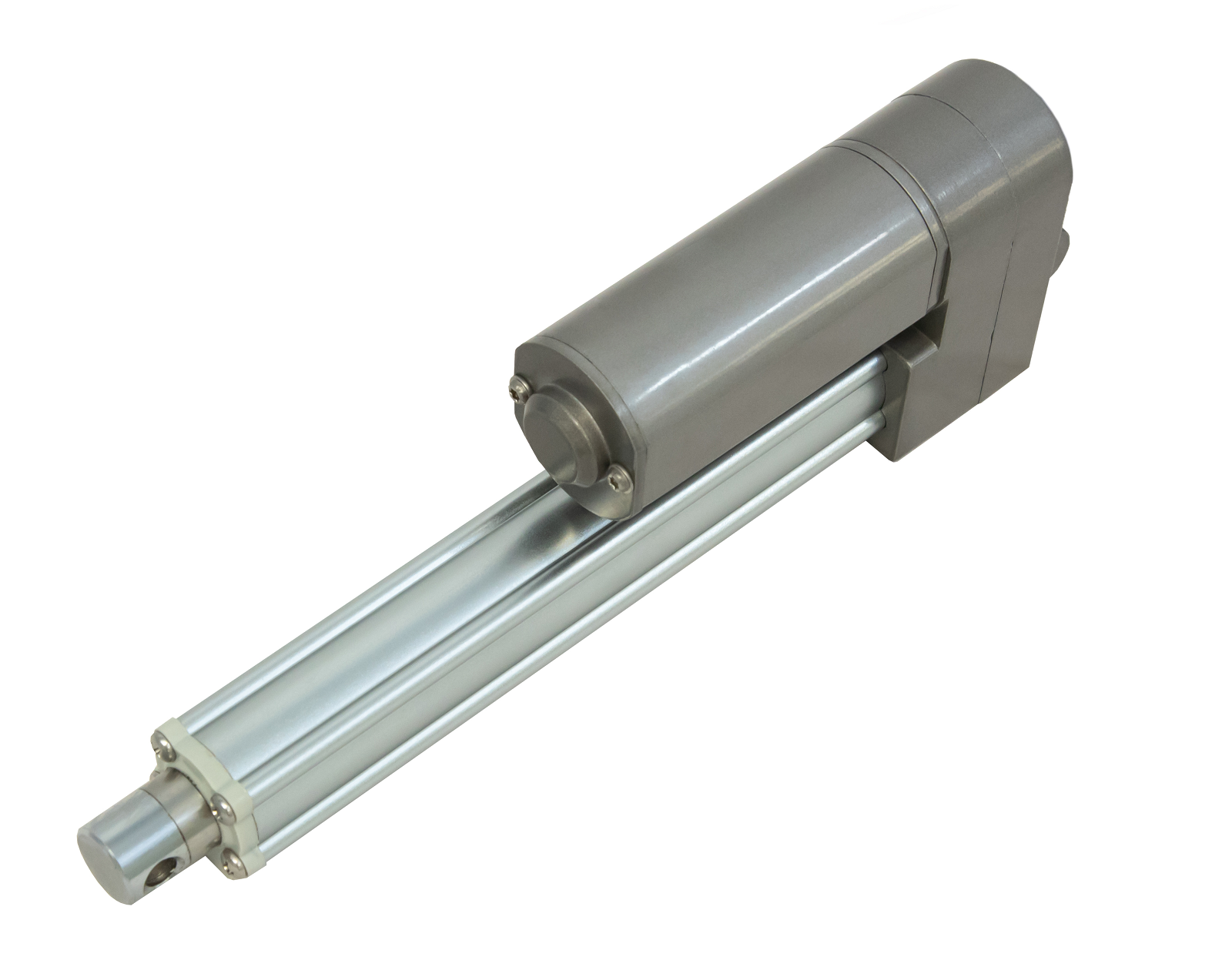
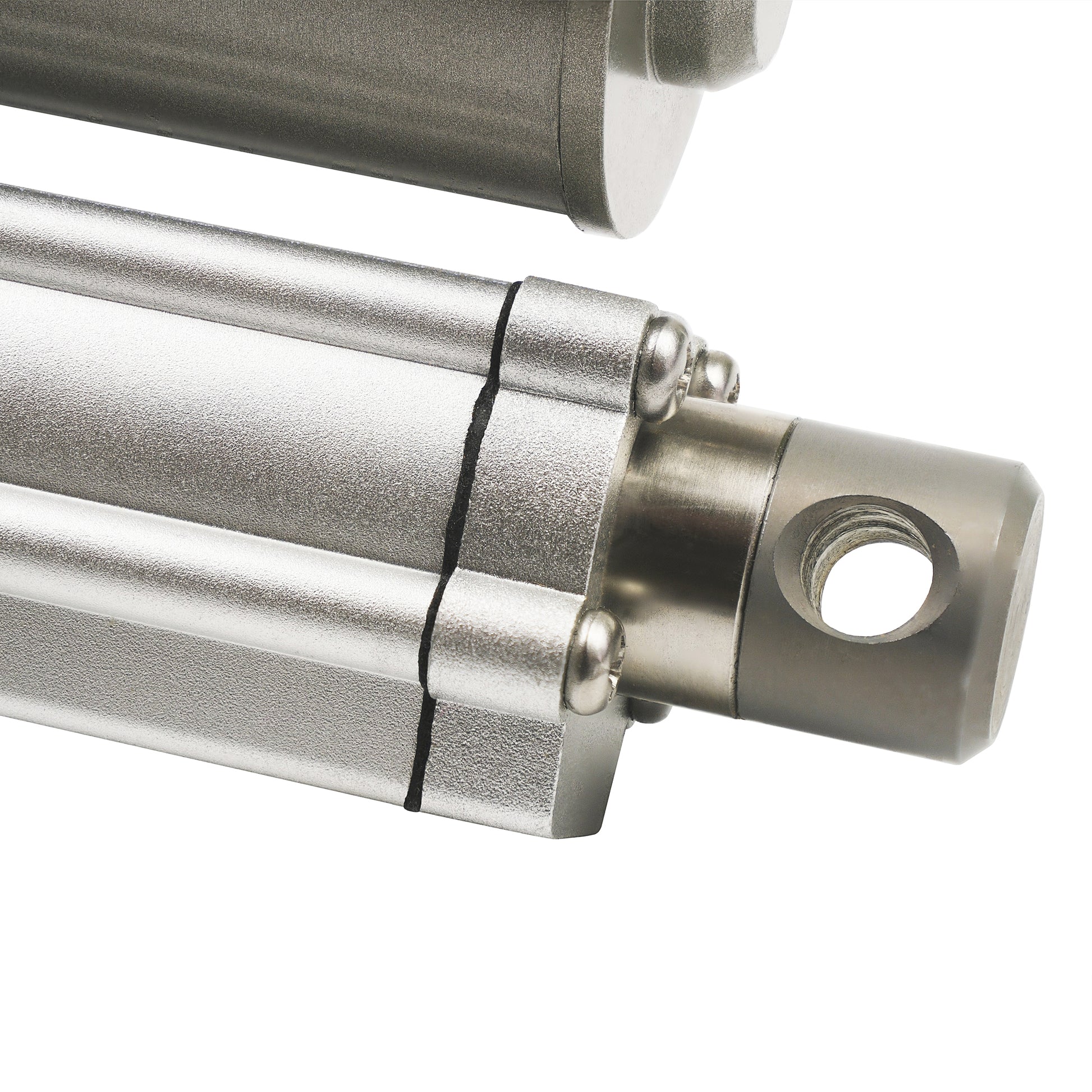
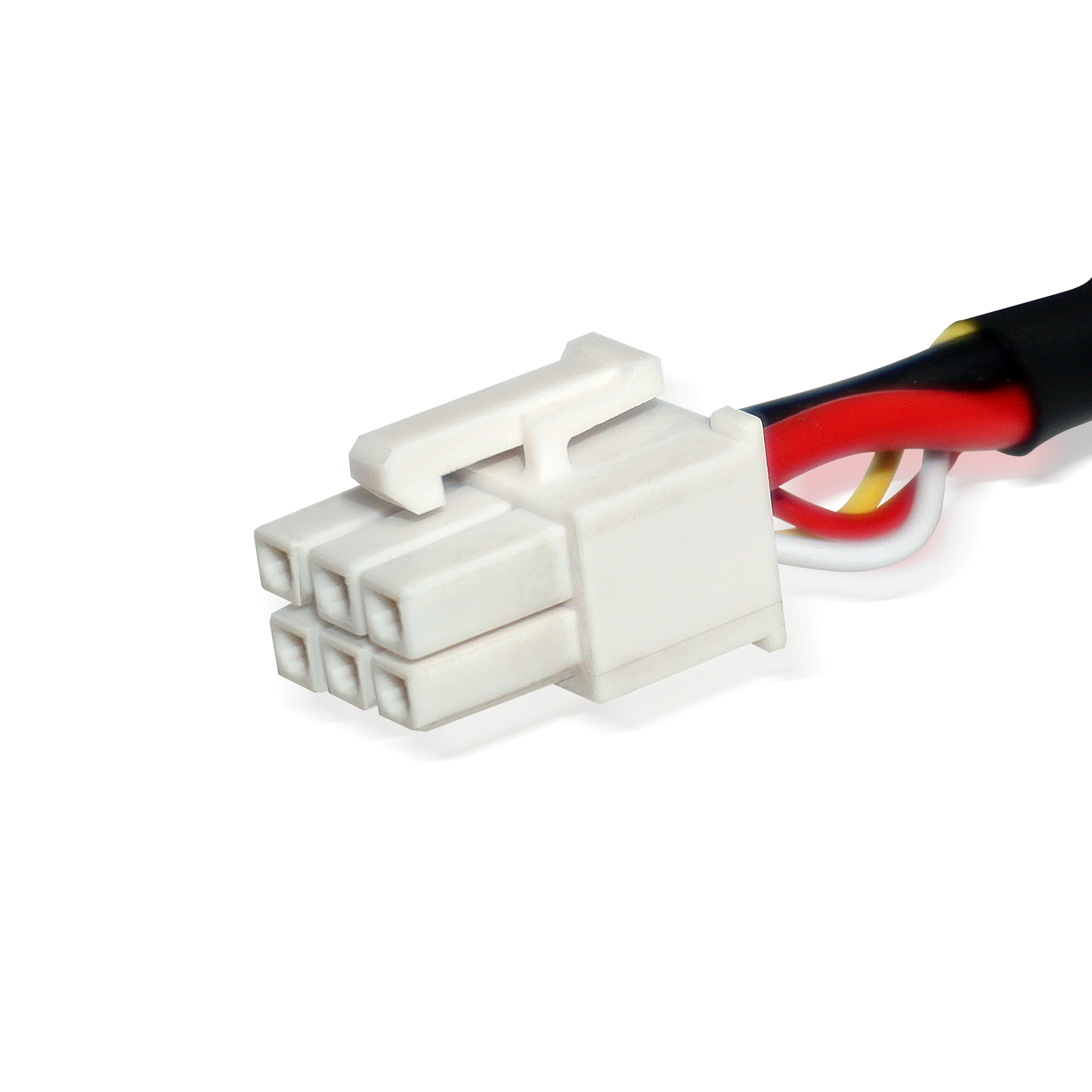
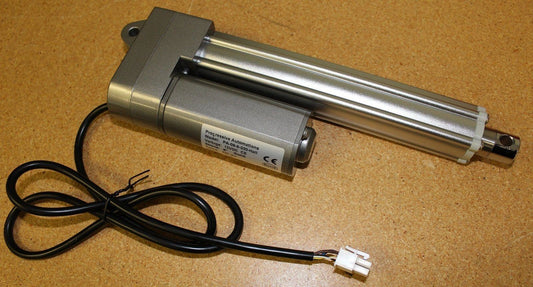
L'attuatore lineare PA-09-HALL con feedback di posizione semplifica l'installazione e l'integrazione nei sistemi esistenti grazie al connettore a 6 pin. Simile allo standard PA-09, the IP66 linear actuator ingress protection ratings and high-quality materials such as the stainless steel stroke rod and aluminum alloy housing ensure durability and longevity against dust and limited water ingress in various environments.
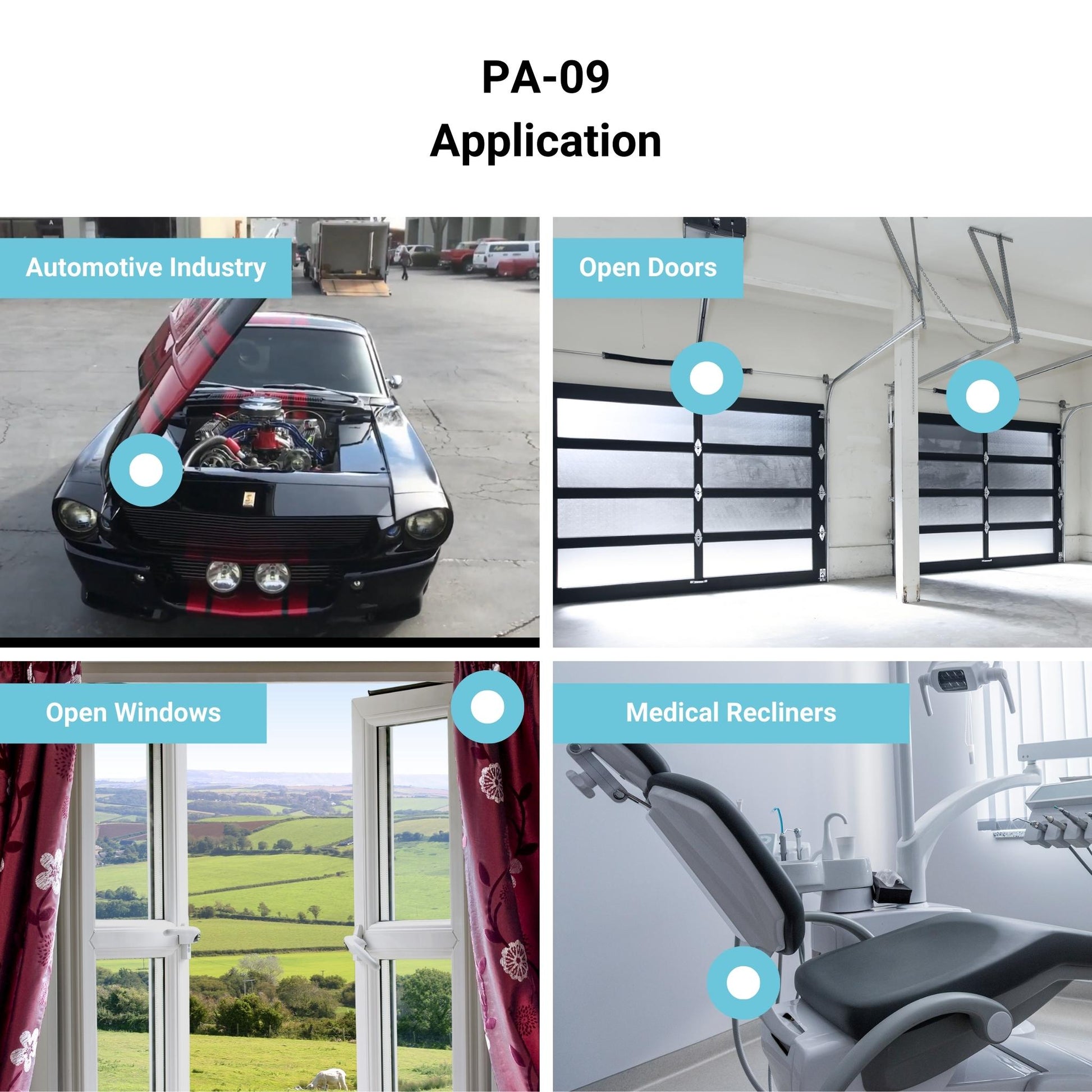
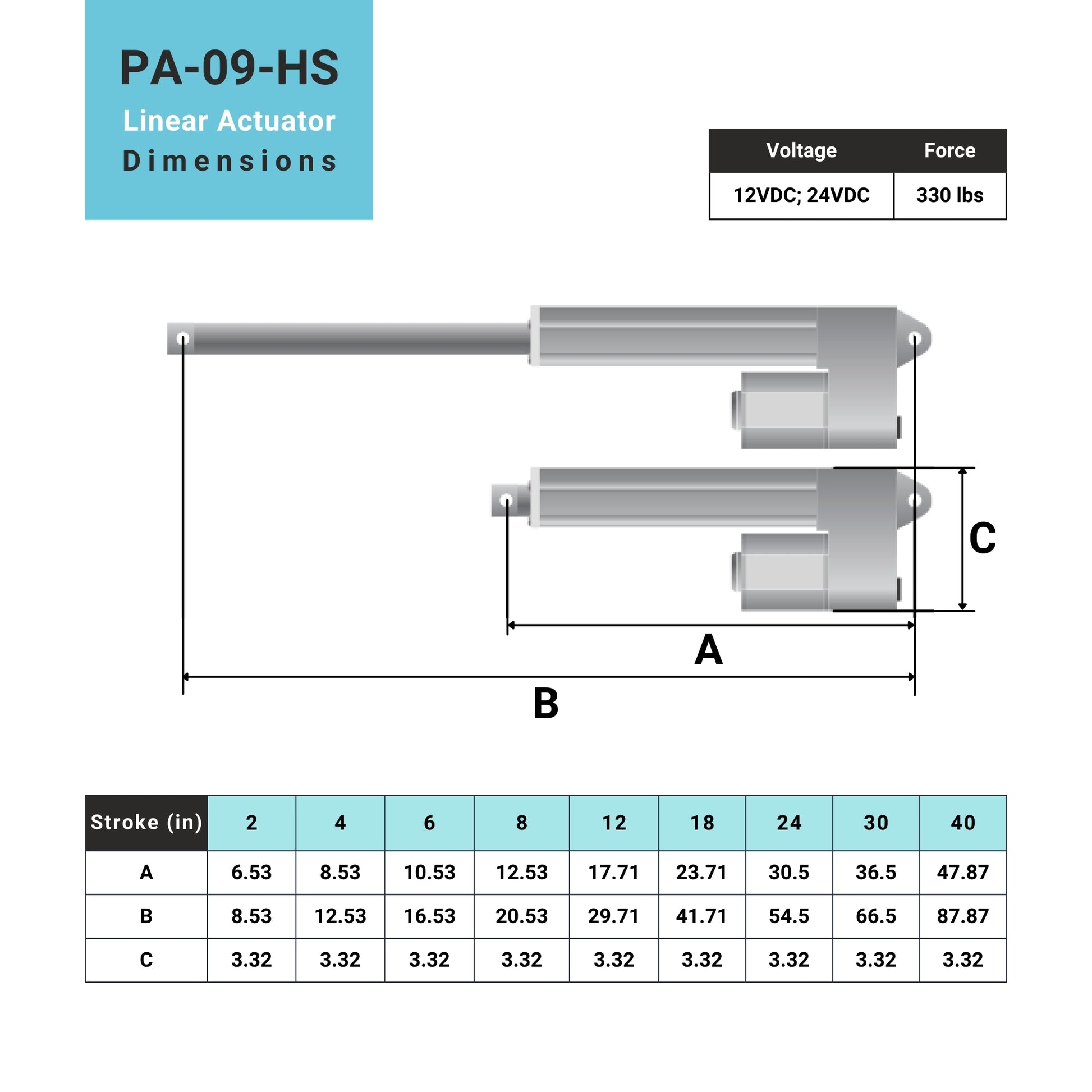
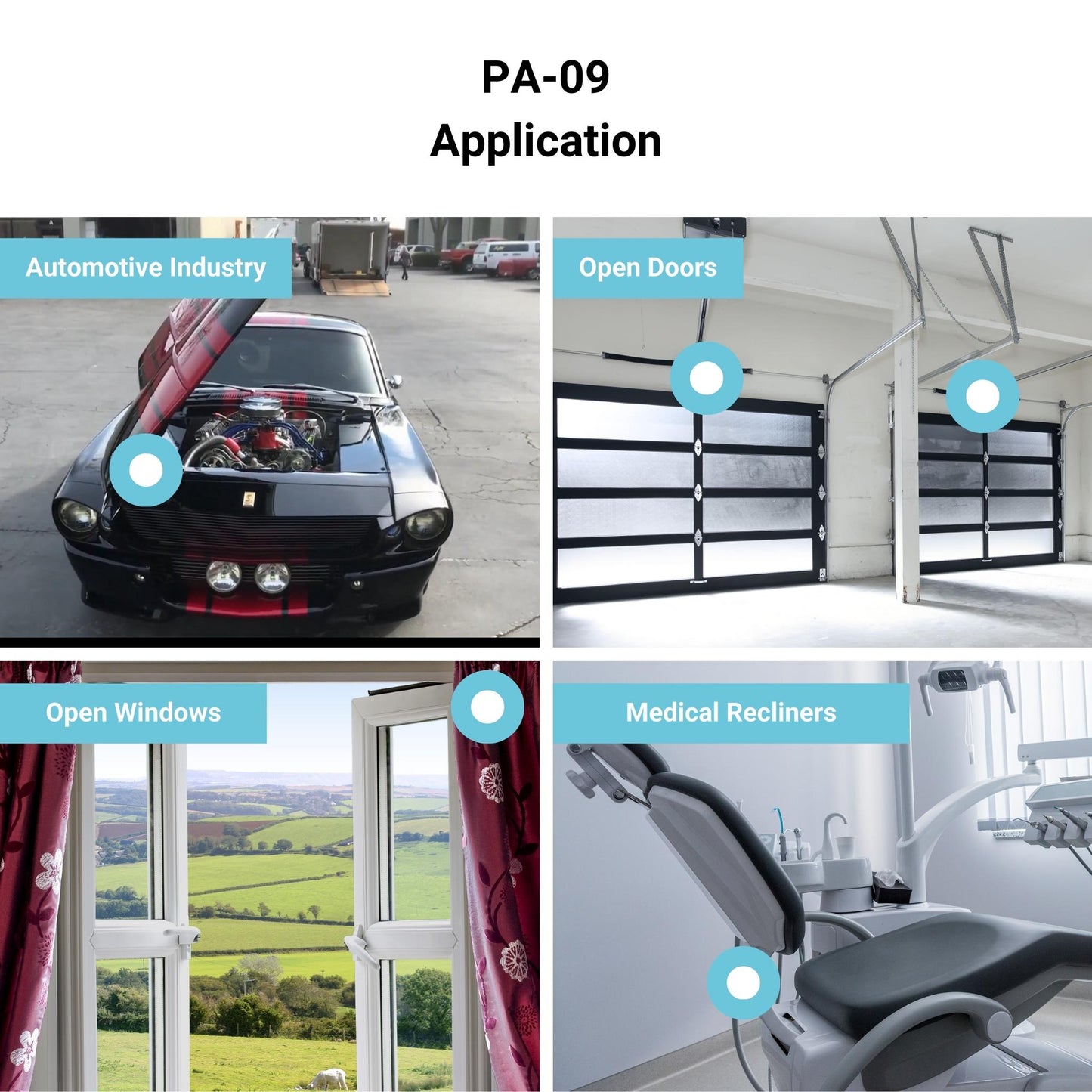
Offrendo capacità di forza media, questo attuatore elettrico compatto ha un basso assorbimento di corrente ideale per settori come lo automobilistico, domoticae marino industries. For a full list of specifications, customization options, and dimensional drawings, please see our PA-09 Data Sheet.
Tabella comparativa degli attuatoriOPZIONI DI MONTAGGIO:
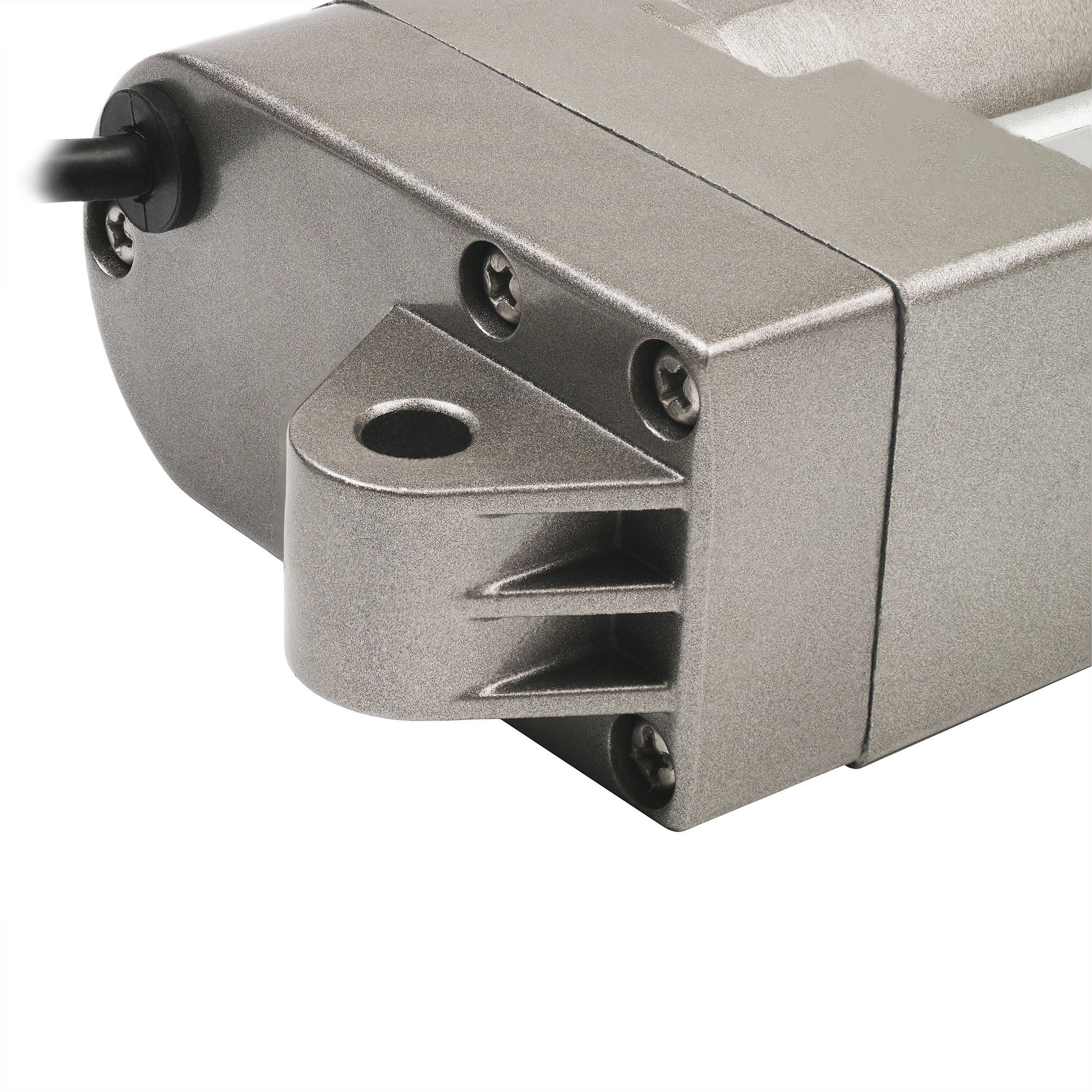
Le BRK-09 e BRK-21 le staffe, progettate per il Mini Industrial Actuator, consentono un semplice processo di installazione. Le BRK-10 è disponibile anche per un supporto di montaggio aggiuntivo sulla custodia della corsa. Per informazioni e specifiche più dettagliate, consulta la nostra pagina di prodotto sulle staffe.
SISTEMI DI CONTROLLO:
Il PA-09-HALL è compatibile con il wireless PA-40, PA-40-24 Vcce PA-41 scatola di controllo del sensore ad effetto hall e della serie di scatole di controllo cablate FLTCON. Per ulteriori informazioni sulle nostre centraline plug-n-play e sui microcontrollori di sviluppo, consulta la nostra sistemi di controllo pagina.
*Nostro PA-09-SALA attuatori con Motori 24 Vcc sono compatibili con PA-40-24 Vcc, PA-41-4-12V24V, e FLTCON serie delle scatole di controllo mentre il Versione 12 Vcc è compatibile con PA-40 per più attuatori che devono muoversi alla stessa velocità in modo sincrono. Per ulteriori informazioni, contatta sales@progressiveautomations.com per confermare la compatibilità di questo prodotto con le centraline Progressive Automations.
Opzioni personalizzate
Stai cercando un attuatore ma le specifiche non corrispondono esattamente a ciò di cui hai bisogno? Abbiamo un ampio elenco di possibilità di personalizzazione per assicurarti di ottenere esattamente ciò che serve al tuo progetto. Scarica la scheda tecnica di questo prodotto e scopri di più sulle tue opzioni di personalizzazione!
L'attuatore lineare PA-09-HALL con feedback di posizione semplifica l'installazione e l'integrazione nei sistemi esistenti grazie al connettore a 6 pin. Simile allo standard PA-09, the IP66 linear actuator ingress protection ratings and high-quality materials such as the stainless steel stroke rod and aluminum alloy housing ensure durability and longevity against dust and limited water ingress in various environments.
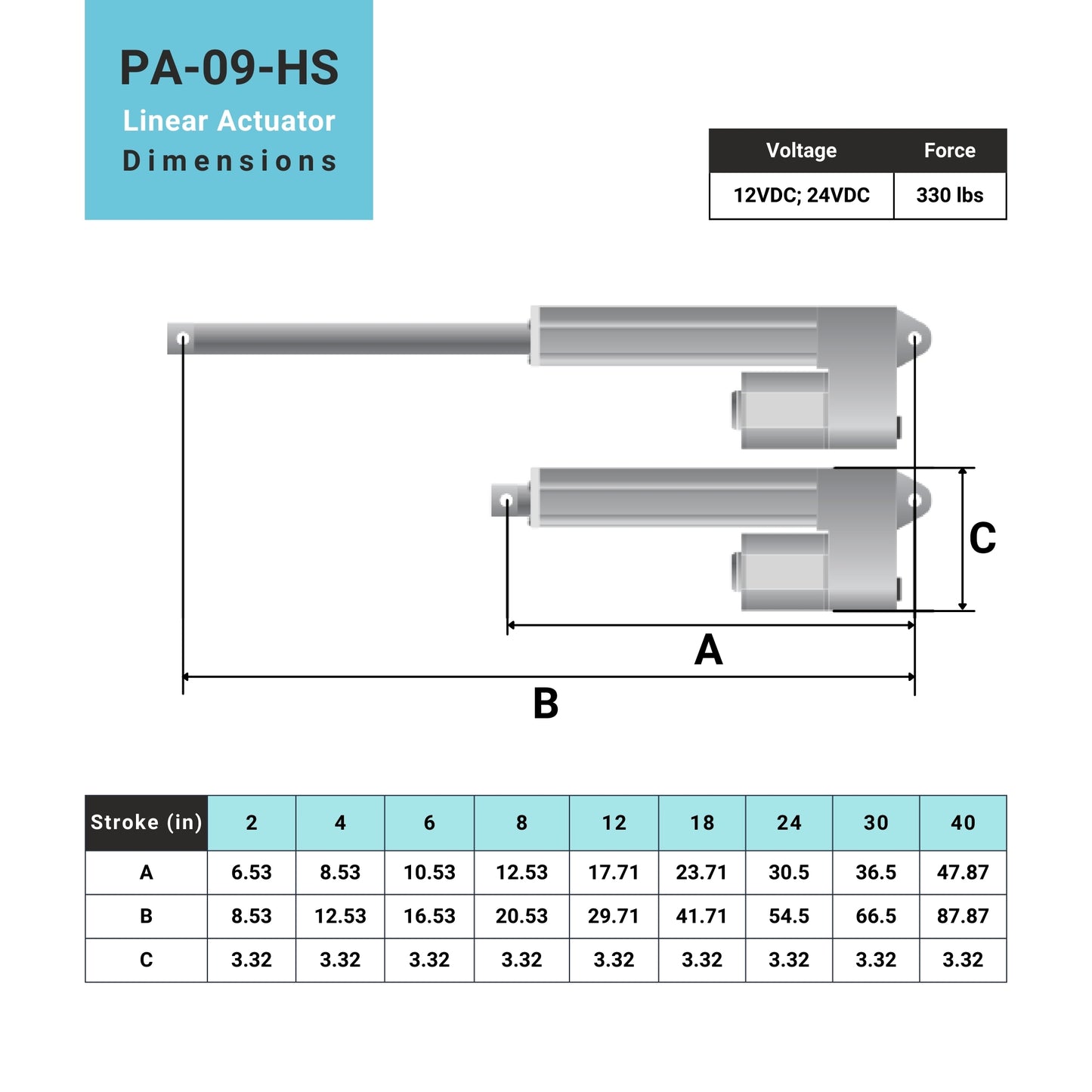
Offrendo capacità di forza media, questo attuatore elettrico compatto ha un basso assorbimento di corrente ideale per settori come lo automobilistico, domoticae marino industries. For a full list of specifications, customization options, and dimensional drawings, please see our PA-09 Data Sheet.
Tabella comparativa degli attuatoriOPZIONI DI MONTAGGIO:
Le BRK-09 e BRK-21 le staffe, progettate per il Mini Industrial Actuator, consentono un semplice processo di installazione. Le BRK-10 è disponibile anche per un supporto di montaggio aggiuntivo sulla custodia della corsa. Per informazioni e specifiche più dettagliate, consulta la nostra pagina di prodotto sulle staffe.
SISTEMI DI CONTROLLO:
Il PA-09-HALL è compatibile con il wireless PA-40, PA-40-24 Vcce PA-41 scatola di controllo del sensore ad effetto hall e della serie di scatole di controllo cablate FLTCON. Per ulteriori informazioni sulle nostre centraline plug-n-play e sui microcontrollori di sviluppo, consulta la nostra sistemi di controllo pagina.
*Nostro PA-09-SALA attuatori con Motori 24 Vcc sono compatibili con PA-40-24 Vcc, PA-41-4-12V24V, e FLTCON serie delle scatole di controllo mentre il Versione 12 Vcc è compatibile con PA-40 per più attuatori che devono muoversi alla stessa velocità in modo sincrono. Per ulteriori informazioni, contatta sales@progressiveautomations.com per confermare la compatibilità di questo prodotto con le centraline Progressive Automations.
Opzioni personalizzate
Stai cercando un attuatore ma le specifiche non corrispondono esattamente a ciò di cui hai bisogno? Abbiamo un ampio elenco di possibilità di personalizzazione per assicurarti di ottenere esattamente ciò che serve al tuo progetto. Scarica la scheda tecnica di questo prodotto e scopri di più sulle tue opzioni di personalizzazione!
Seguire un insieme di standard è fondamentale per le aziende per garantire che i propri prodotti e servizi raggiungano un livello di qualità che promuova la soddisfazione del cliente. In Progressive Automations puntiamo solo al meglio per i nostri clienti e lavoriamo per miglioramenti continui. Per questo siamo entusiasti di annunciare che Progressive Automations è ora certificata ISO 9001:2015!
Qualità di cui puoi fidarti – Scopri di piùSchede tecniche
PA-09 Manuale utente
Modelli 2D/3D

Modelli 3D
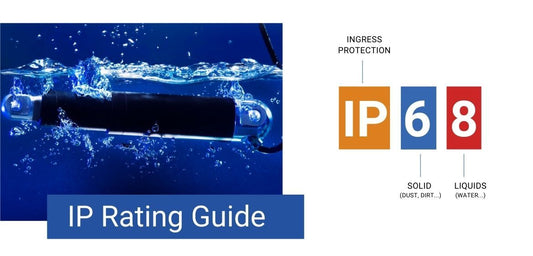
Guida completa ai gradi di protezione IP
Alcune delle domande che ci vengono poste più spesso riguardano la protezione e i gradi di protez...
Attuatori lineari su misura di Progressive Automations
Da Progressive Automations, abbiamo un'ampia varietà di attuatori disponibili a magazzino con div...
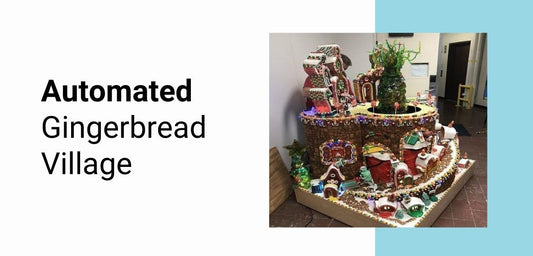
Un villaggio di pan di zenzero prende vita grazie ai nostri attuatori
Ogni anno riceviamo storie di innovazioni creative che utilizzano i nostri attuatori e il 2018 ha...
A seconda della tua applicazione, ci sono diversi requisiti di specifica che dovresti considerare quando determini il attuatore lineare di cui hai bisogno. Questi requisiti includono forza, corsa, velocità e dimensioni di montaggio. Per informazioni dettagliate sull'attuatore, puoi fare riferimento sia alla scheda tecnica sia alla tabella delle specifiche presente nella pagina prodotto dell'attuatore selezionato. Puoi anche contattaci per parlare con uno dei nostri ingegneri esperti.
Ciclo di lavoro è la frazione del periodo di lavoro in cui un Attuatore lineare può rimanere attivo. Puoi calcolare il Ciclo di lavoro di un Attuatore lineare usando la seguente equazione: Ciclo di lavoro (%) = (Tempo in cui l'Attuatore lineare è attivo) / (Tempo di un ciclo di lavoro)
Ad esempio: con un Ciclo di lavoro del 25%, un Attuatore può funzionare in continuo per 5 minuti prima di dover riposare 15 minuti prima di ripartire.
Corsa è la distanza percorsa dall'asta in estensione. Per trovare la lunghezza di Corsa necessaria, misura la tua applicazione dalla posizione completamente retratta a quella completamente estesa. La differenza corrisponderà alla lunghezza di Corsa richiesta.
Consigliamo sempre di acquistare un Attuatore con una valutazione di forza superiore a quella richiesta dall'applicazione. Se non sei sicuro dei requisiti di forza, questo articolo può aiutarti a calcolarli: How to Calculate Force to Find the Right Linear Actuator
Sì, è possibile. Tuttavia dipende dalle unità che stai utilizzando. Per sincronizzare gli Attuatori è necessaria una forma di Feedback, come un potenziometro o sensori ad effetto Hall. Per ulteriori informazioni, consulta qui sotto alcuni dei nostri contenuti chiave sulla sincronizzazione degli Attuatori lineari.
La scatola di controllo che scegli dovrebbe essere in grado di fornire tensione e Corrente sufficienti al tuo Attuatore. Se non sei sicuro delle specifiche, contattaci.
In alternativa, puoi trovare scatole di controllo compatibili anche nella pagina prodotto dell'Attuatore lineare selezionato.
Il backdriving si verifica quando un attuatore inizia a scivolare verso il basso sotto carico, quando è sovraccarico o quando l'attuatore è stato danneggiato. Guardate il video
Cosa significano i coefficienti di carico dinamici e statici?Valutazione dinamica del carico È la quantità di peso che un attuatore può tirare o spingere in sicurezza quando è alimentato. Valutazione del carico statico È la quantità di peso che l'attuatore può sostenere o sopportare senza subire backdriving quando non è alimentato. Ad esempio, supponiamo che tu abbia un attuatore installato su una finestra e che la portata statica (static load rating) dell'attuatore sia 100 libbre; potrebbe verificarsi backdriving in caso di forte vento, il che significa che verrà esercitata maggiore pressione sull'attuatore che supererebbe la portata di 100 libbre dell'attuatore.
Che cos'è il caricamento laterale?Lateral loading is when the actuator experiences forces from the lateral plane. Actuators are not meant to handle lateral forces at all so if it experiences any lateral forces, it will likely damage the actuator or bend the rod. So it's advised never to use lateral forces and always make sure the actuator is fully in line or in sync with your application, so it does not take any load other than the axial load. Guardate il video