ČO JE SYNCHRONIZÁCIA A PREČO JU POTREBUJETE?
Čo je synchronizácia? Koncept je už v názve: zariadenia na riadenie pohybu sú ovládané „synchronizovaným“ spôsobom a bežia presne rovnakou rýchlosťou. Lineárny pohyb viacerých aktuátorov je navzájom zosúladený, aby sa dosiahla úplná synchronizácia. Na prvý pohľad sa synchronizácia môže zdať ako jednoduchá úloha. Môže to však byť úplne naopak. Synchronizácia sa nedosiahne len zapojením viacerých aktuátorov do toho istého spínača, ako by sa mnohí mohli domnievať – v ideálnom svete alebo veľmi jednoduchom prostredí by to mohlo fungovať. Zvyčajne to však vedie k tomu, že sa viacero lineárnych aktuátorov pohybuje rôznymi rýchlosťami.
Aj keď sú dva lineárne aktuátory rovnakej značky a modelu pripojené k rovnakému zdroju napájania, môže sa vyskytnúť výrazný rozdiel v rýchlosti, ak sú oba vystavené nerovnakému zaťaženiu, majú rôzne vzorce opotrebovania alebo sú dokonca pri rôznych prevádzkových teplotách, aby sme spomenuli aspoň niektoré problémy. Na dosiahnutie synchronizovaného pohybu lineárneho aktuátora je nevyhnutná určitá forma riadenia pohybu. Pre systém riadenia s otvorenou slučkou je najobľúbenejšou možnosťou synchronizácie regulátor rýchlosti. Sofistikovanejšou formou synchronizovaného riadenia pohybu je systém s uzavretou slučkou, ktorý využíva spätnú väzbu od aktuátorov na zistenie individuálnych potrieb každého zariadenia a vykonáva úpravy v reálnom čase. Táto forma synchronizácie je pozoruhodne presná a bez možnosti chyby. Existuje viacero aplikácií, kde je synchronizácia lineárnych aktuátorov základnou požiadavkou.
riešenia lineárnych aktuátorov
Ponúkame širokú škálu pokročilých ovládačov a rôznych typov pohonov s mnohými možnosťami prispôsobenia, vďaka čomu si v našom širokom sortimente nájdete niečo pre takmer každú aplikáciu. Pomôžeme vám nájsť ideálne riešenie na synchronizáciu vášho projektu!
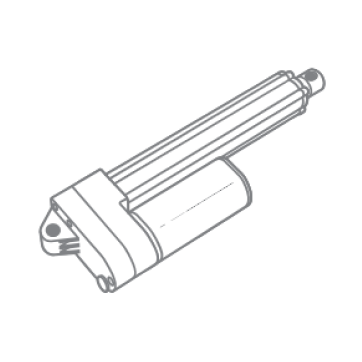
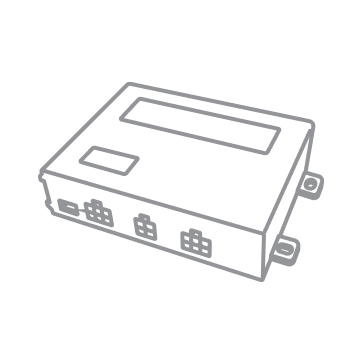
Riešenia modulárnych zdvíhacích stĺpov
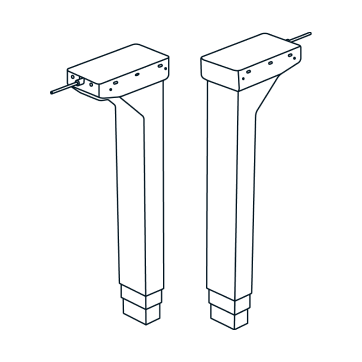
Elektrické zdvíhacie stĺpy ponúkajú vysoký výkon, spoľahlivosť a bezpečnostné prvky, ktoré môžu byť prospešné pre rôzne aplikácie v takmer každom odvetví. Vďaka zavedeniu ďalších možností prispôsobenia naša verzia modulárnych zdvíhacích stĺpov s viacerými konfiguráciami podporuje väčšiu rozmanitosť, aby lepšie vyhovovala vašim potrebám!
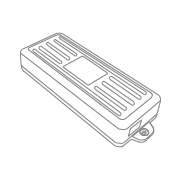
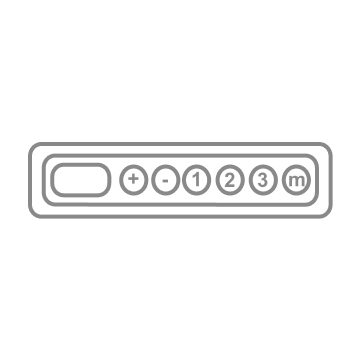
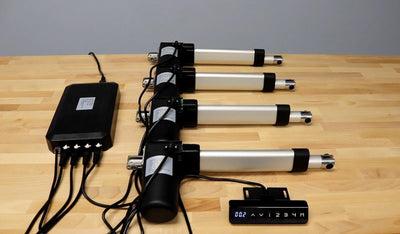
V prípade synchronizácie s otvorenou slučkou, ako je napríklad ovládanie viacerých aktuátorov pomocou ovládacej skrinky PA-28 alebo vlastnej programované mikrokontroléry, musíte sa uistiť, že regulátory rýchlosti sú schopné zvládnuť systém. Musí byť dostatok pinov na prispôsobenie počtu použitých aktuátorov a kód musí byť bezchybný. Keď pomocou spätnej väzby v uzavretej slučke V systémoch je najdôležitejším faktorom, ktorý treba zvážiť, typ spätnoväzobného enkodéra integrovaného do vašich synchronizovaných aktuátorov. V tomto ohľade je spätná väzba Hallovho javu a spätná väzba potenciometra na vrchole zoznamu.
In Hall effect linear actuators, like the ones shown on this page, the feedback encoder records the number of revolutions the actuator’s driving motor is going through while moving. From this information, it is very easy for the controller to calculate the exact position, and hence the speed, of the actuator’s rod. The encoders of all the linear actuators are constantly sending feedback to the controller, which determines which actuator(s) is lagging or speeding up, and then adjust their respective speeds accordingly to ensure smooth, synchronized movement. When using Hall Effect actuators, it is necessary to use a compatible controller as well. You cannot use them with any ordinary controller, instead, one that is designed for this specific purpose is required. The control box must also have the desired number of channels in accordance with the number of actuators being used. Potentiometer feedback works in a similar way. As the actuator’s rod moves in and out, the potentiometer’s electrical resistance changes with it proportionately. This information is transmitted to the controller, which then performs the exact same function as explained above to synchronize actuators.
While many of our actuators can be customized to include feedback options (just check their data sheet), we also have stocked options!
Starting with our linear actuator range, we have high-performing Hall effect actuators with 12 VDC and 24 VDC variants. For example, our PA-04-HS linear actuator comes installed with a built-in Hall effect sensor that enables synchronization. Customers can also choose between 12 VDC and 24 VDC power supply options. The 12 VDC power supply linear actuators are much more common as most power supplies are of this specification. They are easier to integrate into actuation systems and pack decent performance specifications. The 24 VDC actuators need a specialized power supply, which often requires additional investment and equipment.
Tieto varianty sú však schopné dodať vyšší výkon a krútiaci moment, majú nižší odber prúdu a tenšie požiadavky na kabeláž, čo skvele kompenzuje vyššie uvedené nevýhody. Bez ohľadu na to, akú voľbu si vyberiete, spoločnosť Progressive Automations zabezpečí, aby ovládanie viacerých pohonov bolo pre vás investíciou hodnou. Na účely synchronizácie ponúkame viackanálové ovládacie skrinky, ktoré sú navrhnuté na ovládanie pohonov založených na spätnej väzbe, vrátane našich ovládacích skriniek radu PA-40 a FLTCON. Tieto ovládače, určené pre pohony s Hallovým efektom, dokážu pracovať s pohonmi s napätím 12 aj 24 VDC. PA-40v skutočnosti ide o špecializované synchronizačné riešenie pre aplikácie s dvojitým Hallovým efektom.