Kompaktný dizajn
Plynulá prevádzka
Jednoduchá inštalácia
Tichá prevádzka
Prehľad
Funkcie
Často kladené otázky
How PA TV Lift Mechanisms Work

The Lifting Mechanism

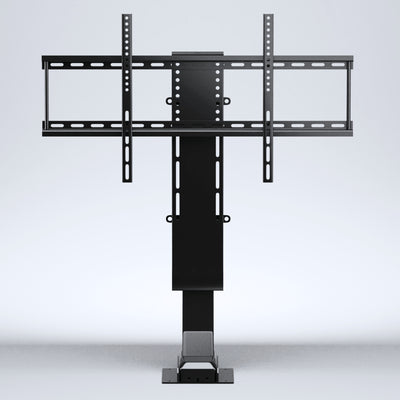
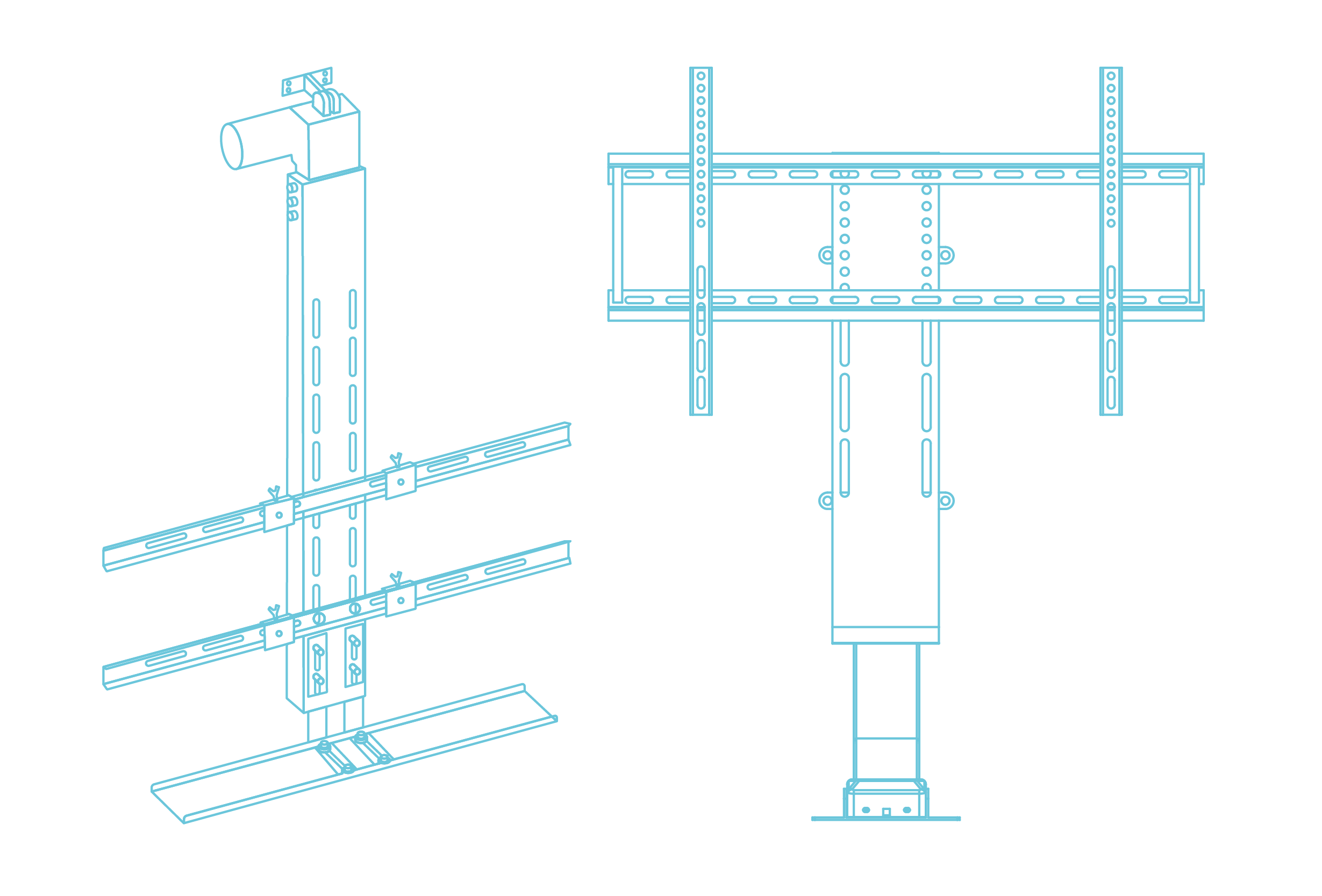
Every PA TV lift mechanism uses electric linear actuators, which are motorized columns that convert DC electrical power into controlled vertical motion. Inside each column, a brushed DC motor drives a lead screw that telescopes the column to the commanded position. The column extends to raise the screen and retracts to lower it. The mechanism holds position at rest with no power draw, because the lead screw is self-locking.

Column speed ranges from 0.5 to 1.6 inches per second depending on the model. Slower speeds provide smoother, quieter operation for residential installations. Higher speeds suit commercial and hospitality applications where faster cycling is a priority.

Position Control and Synchronization

Position accuracy is maintained by Hall-effect sensors built into each column's motor. As the motor rotates, the sensors generate 5V pulses. The FLTCON control box counts these pulses to calculate the column's exact position along its travel range. This lets the control box stop the column at a specific height to within a few millimetres, every time.

In multi-column systems, the control box reads the position of every column on every pulse cycle. If one column moves faster than another, due to uneven loading, a slight motor speed difference, or cable resistance, the control box reduces that column's power until both are back in sync. The screen stays level throughout the full travel range, automatically.

Up to four preset height positions can be stored in the RT-11 remote. Press the corresponding numbered button and the mechanism travels directly to that position and stops. The position is stored in the control box, not the remote, so preset positions survive a power cycle.

Anti-Collision and Safety Features

Anti-collision protection is active throughout the full travel range on every PA TV lift configuration. The FLTCON control box monitors motor current during travel. If resistance causes current to rise above the threshold, indicating the mechanism has encountered an obstruction, the control box immediately cuts power and then reverses direction to clear it.

Overcurrent protection prevents damage to the motor if the column is stalled or forced. The control box cuts power before the motor overheats. The system can be reset and operated again once the obstruction is cleared.

The lead screw inside each column is self-locking, so the mechanism holds its position without drawing power. If the power supply is disconnected while the screen is at any point in its travel, the screen stays exactly where it is. It does not fall.

Choosing the Right TV Lift: Weight, Stroke and Configuration

Three specifications determine the correct TV lift mechanism for any installation: weight capacity, stroke length, and column configuration. Get all three right before ordering.

Weight Capacity

The weight capacity rating of a TV lift system refers to the total load the mechanism can move: the television, its VESA mounting bracket, any additional hardware mounted to the lift carriage, and the weight of the cables attached to the rear of the screen. Add these together and compare to the system's rated capacity.

Use no more than 80% of the rated weight capacity in practice. A 330 lb rated system should carry no more than 264 lbs in regular use. This preserves duty cycle and extends motor and lead screw life significantly.

Stroke Length

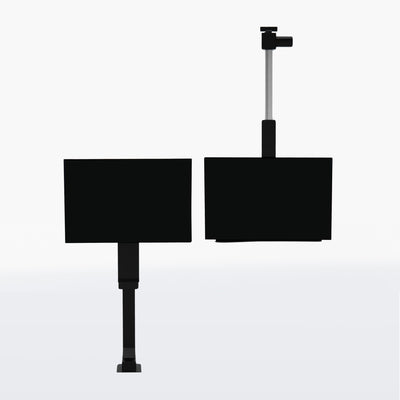
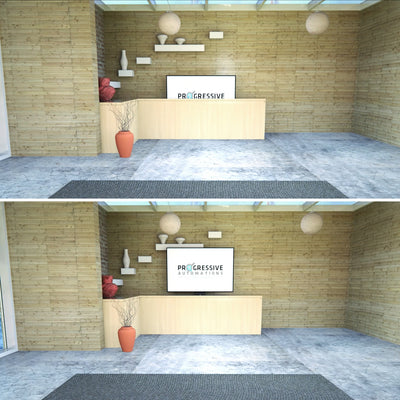
Stroke length is the distance the column travels between fully retracted and fully extended positions. For a ceiling drop-down installation, stroke equals the distance from the stored position to the lowest viewing position. For a pop-up installation, stroke equals the rise distance from the base to the top of the screen at full extension.

Measure the distance from the mounting point of the column base to where the bottom edge of the screen should sit at viewing height. Add the screen height if measuring to the top of the screen. This is the minimum stroke length required. Order a column with a stroke equal to or greater than this measurement.

Available stroke lengths: 16, 20, 25, 32, 40, 50, and 56 inches across the LG-series modular lifting column range. If the required stroke falls between two standard lengths, order the next size up.

Column Configuration and Control System

The FLTCON control box model must match the number of lifting columns in the system. One FLTCON-1 per single-column installation. One FLTCON-2 per dual-column installation. One FLTCON-4 for three or four columns. Do not mix control box models within a single installation, because the synchronisation algorithm requires all columns to be on the same controller.

The RT-11 remote is compatible with the full FLTCON series. It provides up/down motion control, four programmable preset positions, and a 5V USB charging port. The RT-BT1 Bluetooth dongle connects FLTCON-series control boxes to iOS and Android devices via the Progressive Motion app for those who prefer app-based control.

Motorized TV Lifts: Ceiling Mount, Drop-Down and Pop-Up Lift Mechanisms

Not sure which configuration suits your installation? PA's engineering team has supported ceiling mount, drop-down, retractable, and pop-up TV lift builds across residential, commercial, marine, and hospitality applications. Call 1-800-676-6123 or send the details of your installation, including ceiling height, screen weight, stroke required, and number of columns, and we will specify the right mechanism, control box, and remote from the current range.

Every PA TV lift system ships with the control box and remote required to operate it. Technical documentation including wiring diagrams, 3D models, and installation PDFs is available from the Resources section for every current product in the range.