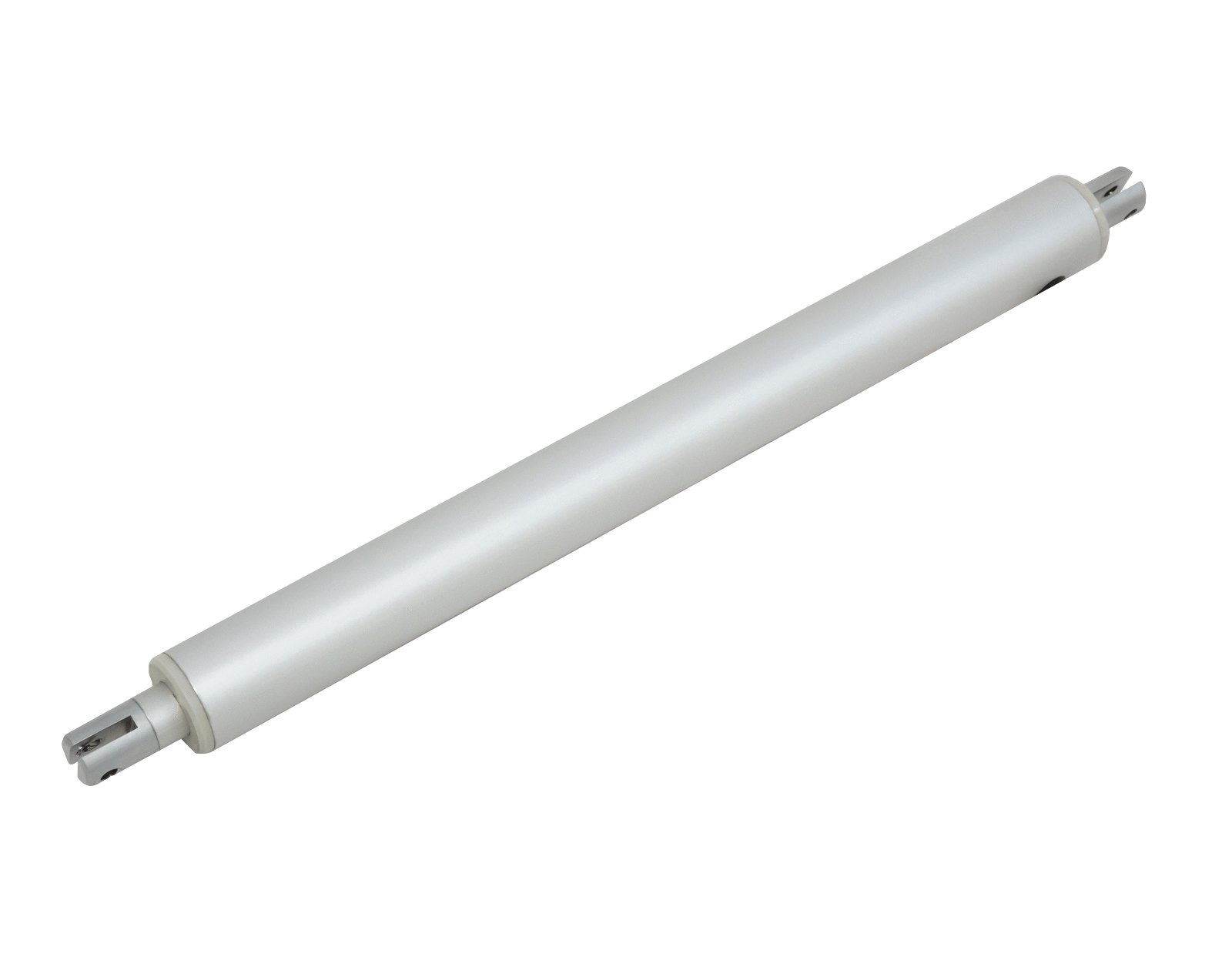
Mini attuatore lineare tubolare
Mini attuatore lineare tubolare


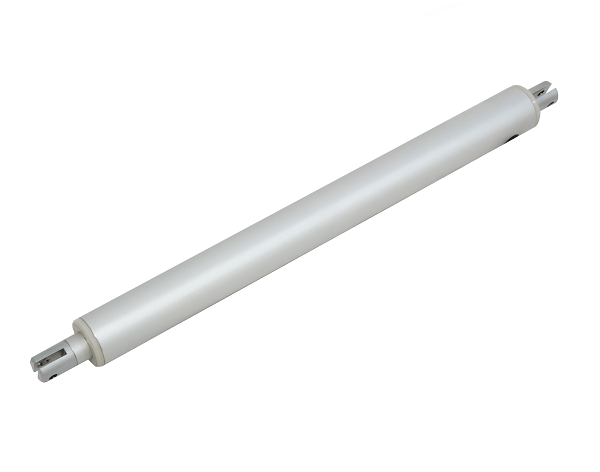
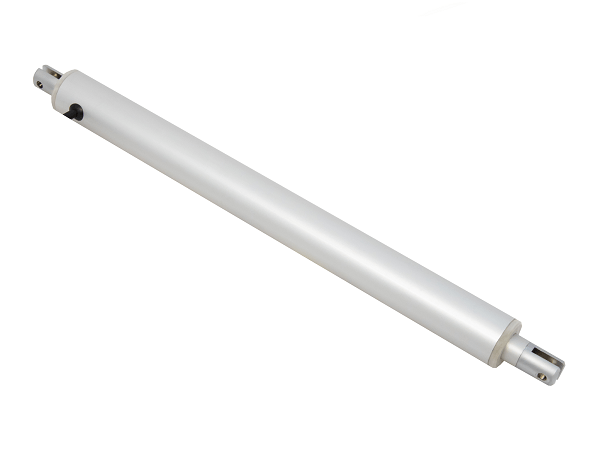
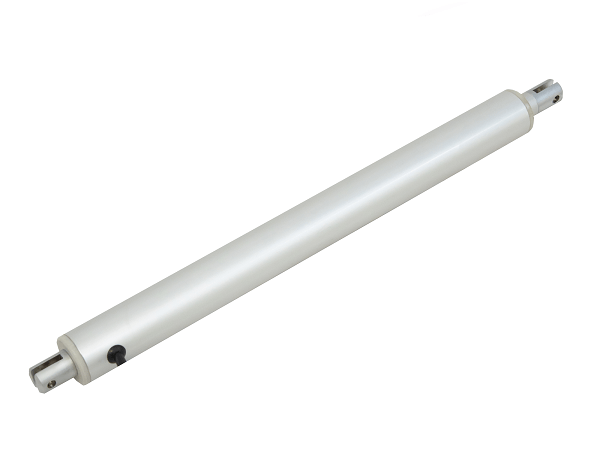
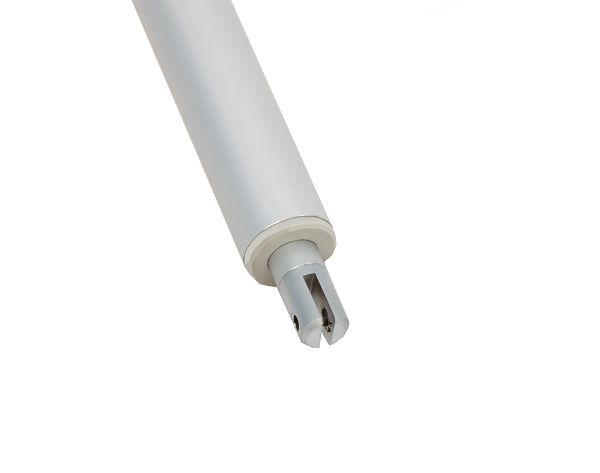
L'attuatore lineare tubolare mini PA-11-D30 utilizza un motore in linea dal profilo sottile. Insieme a un basso assorbimento di corrente, questa unità può essere integrata nella maggior parte dei sistemi di controllo a bassa tensione. Il corpo dell'albero a piccolo diametro esterno e lo stelo dell'attuatore rendono questa unità ideale per applicazioni in cui lo spazio è limitato. Settori come l'automotive, la robotica e la domotica traggono vantaggio dal design del motore in linea. Per l'elenco completo delle specifiche, delle opzioni di personalizzazione e dei disegni quotati, consultare la nostra scheda tecnica PA-11-D30.
Tabella di confronto degli AttuatoriL'attuatore lineare tubolare mini PA-11-D30 utilizza un motore in linea dal profilo sottile. Insieme a un basso assorbimento di corrente, questa unità può essere integrata nella maggior parte dei sistemi di controllo a bassa tensione. Il corpo dell'albero a piccolo diametro esterno e lo stelo dell'attuatore rendono questa unità ideale per applicazioni in cui lo spazio è limitato. Settori come l'automotive, la robotica e la domotica traggono vantaggio dal design del motore in linea. Per l'elenco completo delle specifiche, delle opzioni di personalizzazione e dei disegni quotati, consultare la nostra scheda tecnica PA-11-D30.
Tabella di confronto degli Attuatori| Tensione di ingresso | 12VDC, 24VDC, 36VDC, 48VDC |
| Corsa | da 1" a 24" (D30, D33), da 2" a 32" (D42), da 2" a 40" (D50) |
| Caratteristiche | Nessuna |
| Feedback | Nessuno |
| Ciclo di lavoro | 20% (4 minuti attivo, 16 minuti spento) |
| Protezione dagli agenti atmosferici | IP54 |
| Protezione da sovraccarico | N/D |
| Temperatura operativa | -25ºC a 65ºC (-13ºF a 149ºF) |
| Rumorosità operativa | <52dB |
| Finecorsa | Interno - Non regolabile |
| Lunghezza cavo | 40" (personalizzabile) |
| Connettore | Molex Mini Fit Jr presa a 2 pin |
| Dimensione foro di montaggio anteriore | 0.20" |
| Dimensione foro di montaggio posteriore | 0.20" |
| Tipo di attuatore | Mini tubolare |
| Tipo di motore | Motore DC a spazzole |
| Tipo di vite | Vite ACME |
| Materiale dello stelo | Lega di alluminio |
| Materiale del corpo | Lega di alluminio 6062 |
| Materiale dell'ingranaggio | Lega di acciaio da metallurgia delle polveri |
| Certificazioni | CE |
| Staffe di montaggio compatibili | BRK-11 |
| Garanzia | 18 mesi |
Seguire un insieme di standard è fondamentale per le aziende per garantire che i propri prodotti e servizi raggiungano un livello di qualità che promuova la soddisfazione del cliente. In Progressive Automations puntiamo solo al meglio per i nostri clienti e lavoriamo per miglioramenti continui. Per questo siamo entusiasti di annunciare che Progressive Automations è ora certificata ISO 9001:2015!
Qualità di cui puoi fidarti – Scopri di piùSchede tecniche
PA-11-D30 Manuale utente

3 fantastiche idee per applicare gli attuatori lineari in cucina
La rivoluzione dell’automazione, salutata come la tendenza principale dell’industria tecnologica ...

I sistemi robotici aiutano le persone con disabilità
La robotica sta aprendo la strada all'automazione; persino le sedie a rotelle non stanno più perd...
A seconda della tua applicazione, ci sono diversi requisiti di specifica che dovresti considerare quando determini il attuatore lineare di cui hai bisogno. Questi requisiti includono forza, corsa, velocità e dimensioni di montaggio. Per informazioni dettagliate sull'attuatore, puoi fare riferimento sia alla scheda tecnica sia alla tabella delle specifiche presente nella pagina prodotto dell'attuatore selezionato. Puoi anche contattaci per parlare con uno dei nostri ingegneri esperti.
Ciclo di lavoro è la frazione del periodo di lavoro in cui un Attuatore lineare può rimanere attivo. Puoi calcolare il Ciclo di lavoro di un Attuatore lineare usando la seguente equazione: Ciclo di lavoro (%) = (Tempo in cui l'Attuatore lineare è attivo) / (Tempo di un ciclo di lavoro)
Ad esempio: con un Ciclo di lavoro del 25%, un Attuatore può funzionare in continuo per 5 minuti prima di dover riposare 15 minuti prima di ripartire.
Corsa è la distanza percorsa dall'asta in estensione. Per trovare la lunghezza di Corsa necessaria, misura la tua applicazione dalla posizione completamente retratta a quella completamente estesa. La differenza corrisponderà alla lunghezza di Corsa richiesta.
Consigliamo sempre di acquistare un Attuatore con una valutazione di forza superiore a quella richiesta dall'applicazione. Se non sei sicuro dei requisiti di forza, questo articolo può aiutarti a calcolarli: How to Calculate Force to Find the Right Linear Actuator
Sì, è possibile. Tuttavia dipende dalle unità che stai utilizzando. Per sincronizzare gli Attuatori è necessaria una forma di Feedback, come un potenziometro o sensori ad effetto Hall. Per ulteriori informazioni, consulta qui sotto alcuni dei nostri contenuti chiave sulla sincronizzazione degli Attuatori lineari.
La scatola di controllo che scegli dovrebbe essere in grado di fornire tensione e Corrente sufficienti al tuo Attuatore. Se non sei sicuro delle specifiche, contattaci.
In alternativa, puoi trovare scatole di controllo compatibili anche nella pagina prodotto dell'Attuatore lineare selezionato.
Il backdriving si verifica quando un attuatore inizia a scivolare verso il basso sotto carico, quando è sovraccarico o quando l'attuatore è stato danneggiato. Guardate il video
Cosa significano i coefficienti di carico dinamici e statici?Valutazione dinamica del carico È la quantità di peso che un attuatore può tirare o spingere in sicurezza quando è alimentato. Valutazione del carico statico È la quantità di peso che l'attuatore può sostenere o sopportare senza subire backdriving quando non è alimentato. Ad esempio, supponiamo che tu abbia un attuatore installato su una finestra e che la portata statica (static load rating) dell'attuatore sia 100 libbre; potrebbe verificarsi backdriving in caso di forte vento, il che significa che verrà esercitata maggiore pressione sull'attuatore che supererebbe la portata di 100 libbre dell'attuatore.
Che cos'è il caricamento laterale?Lateral loading is when the actuator experiences forces from the lateral plane. Actuators are not meant to handle lateral forces at all so if it experiences any lateral forces, it will likely damage the actuator or bend the rod. So it's advised never to use lateral forces and always make sure the actuator is fully in line or in sync with your application, so it does not take any load other than the axial load. Guardate il video