


Micro attuatore lineare compatto compatibile PWM
Micro attuatore lineare compatto compatibile PWM
Modello: PA-MC2-2-9-N-12VDC
Impossibile caricare disponibilità ritiro
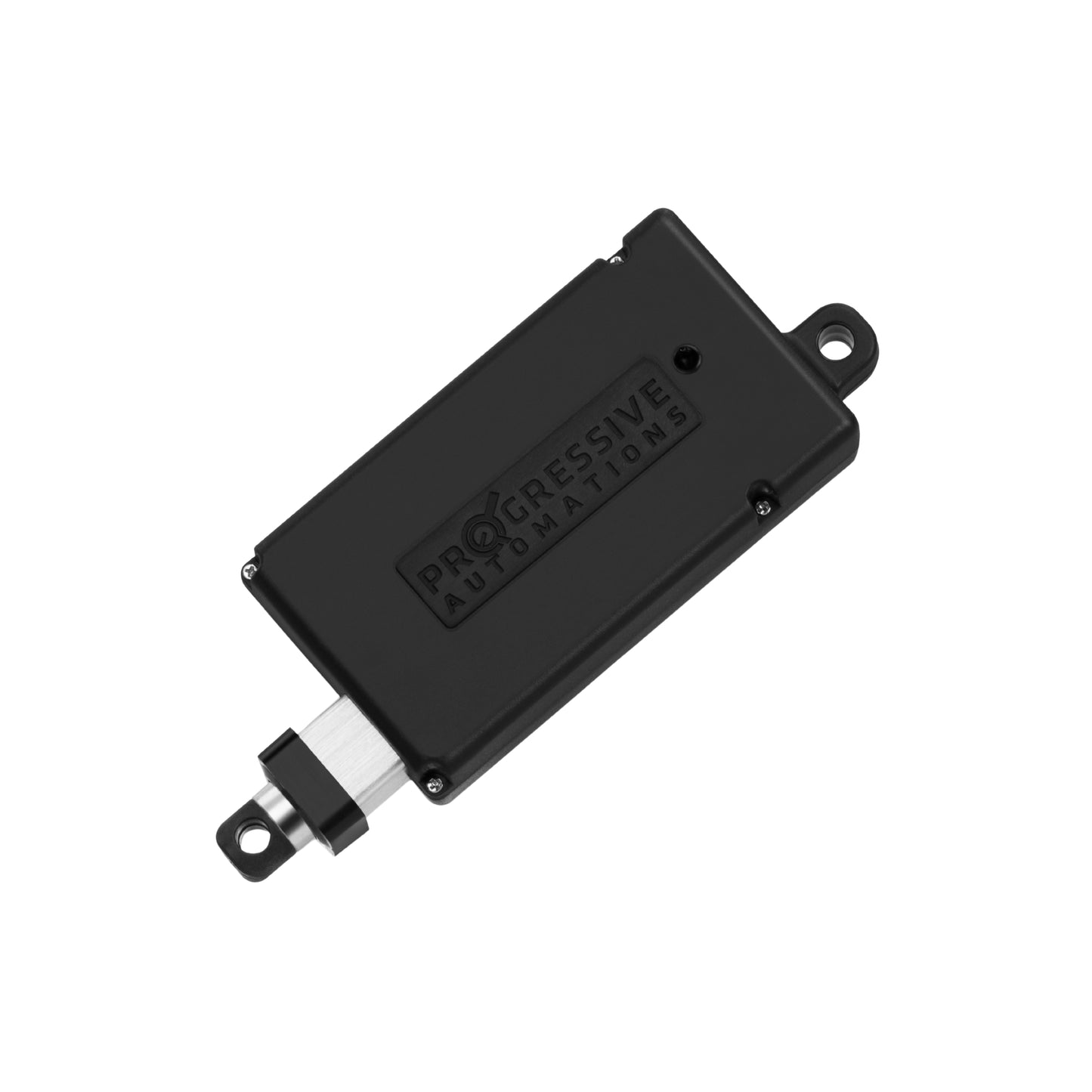
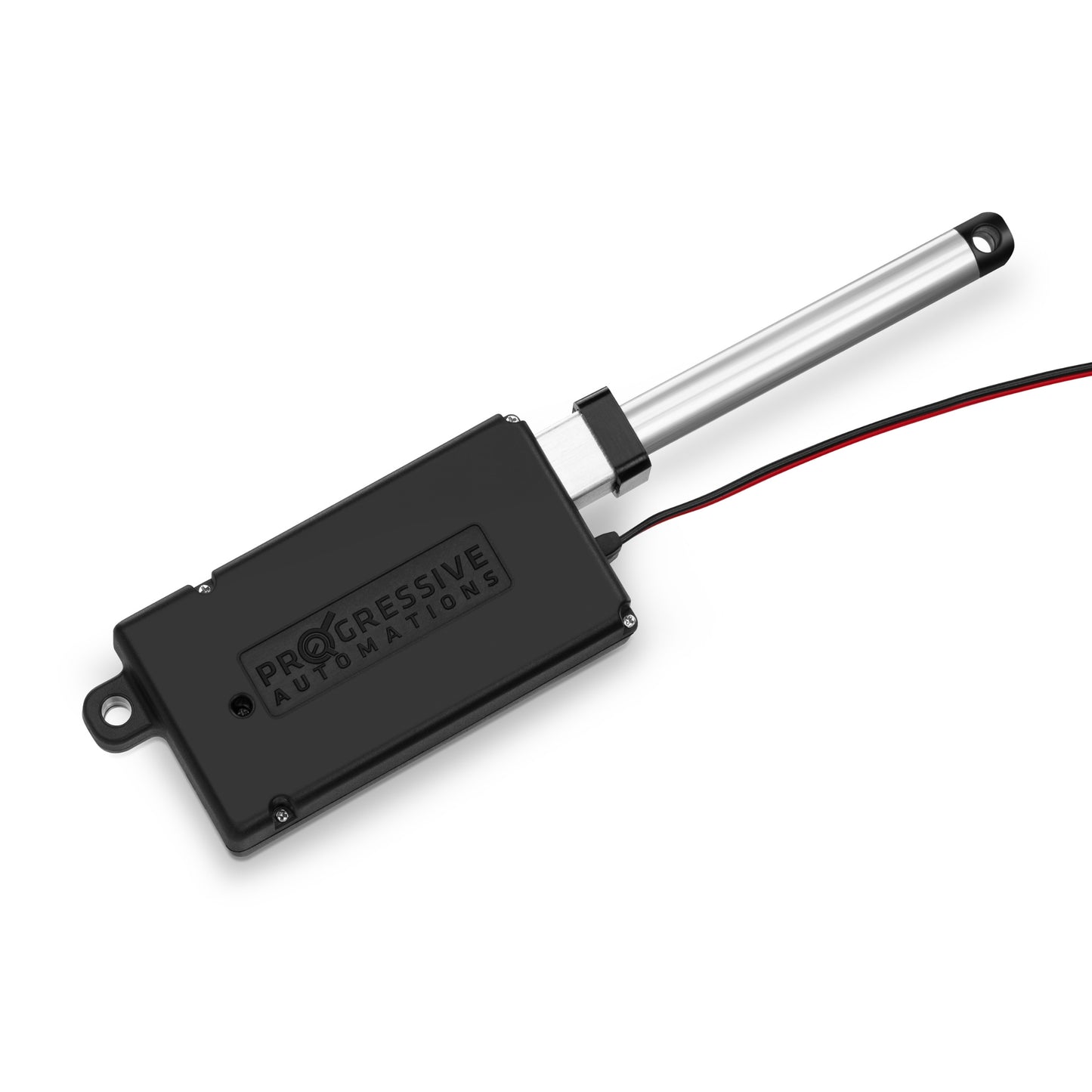
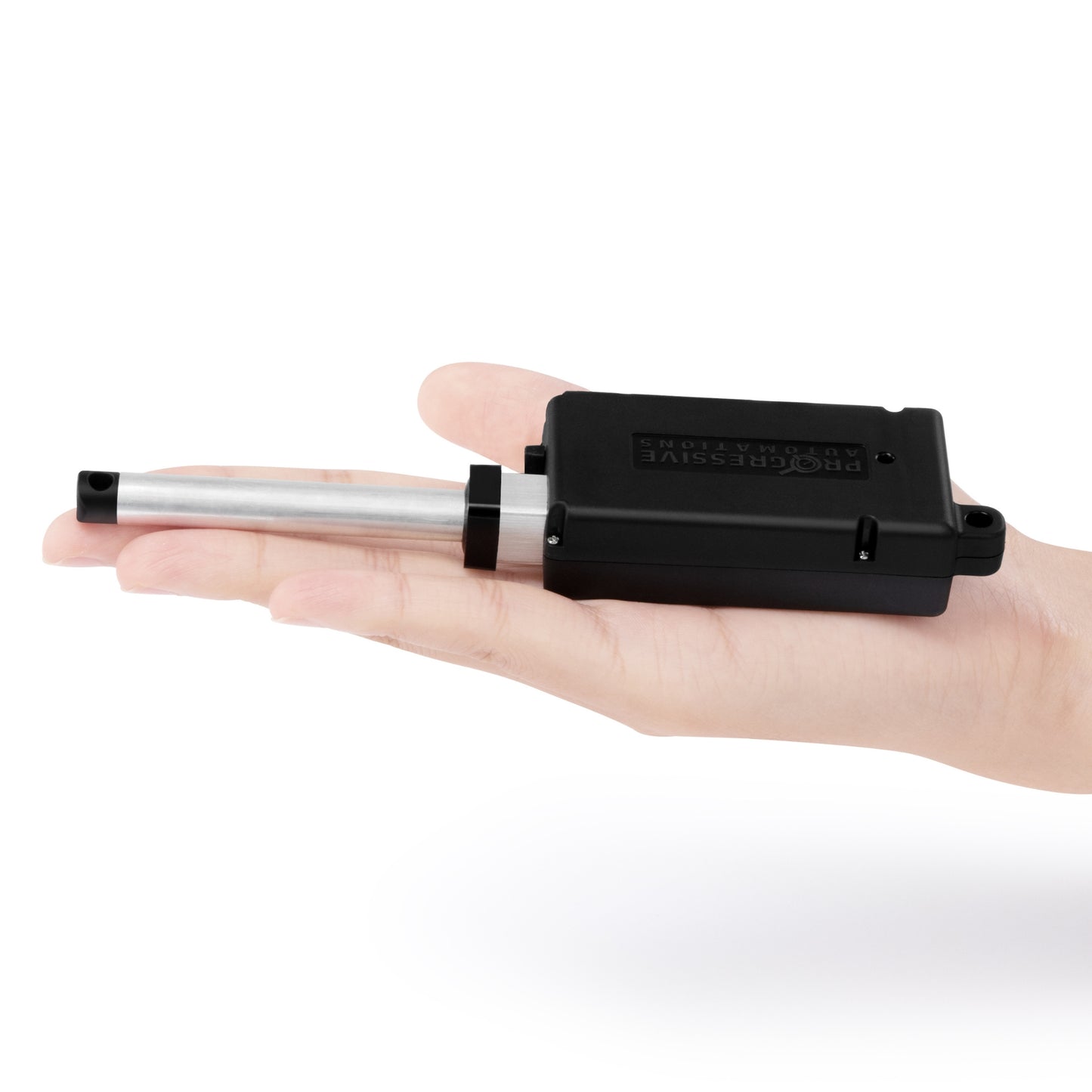
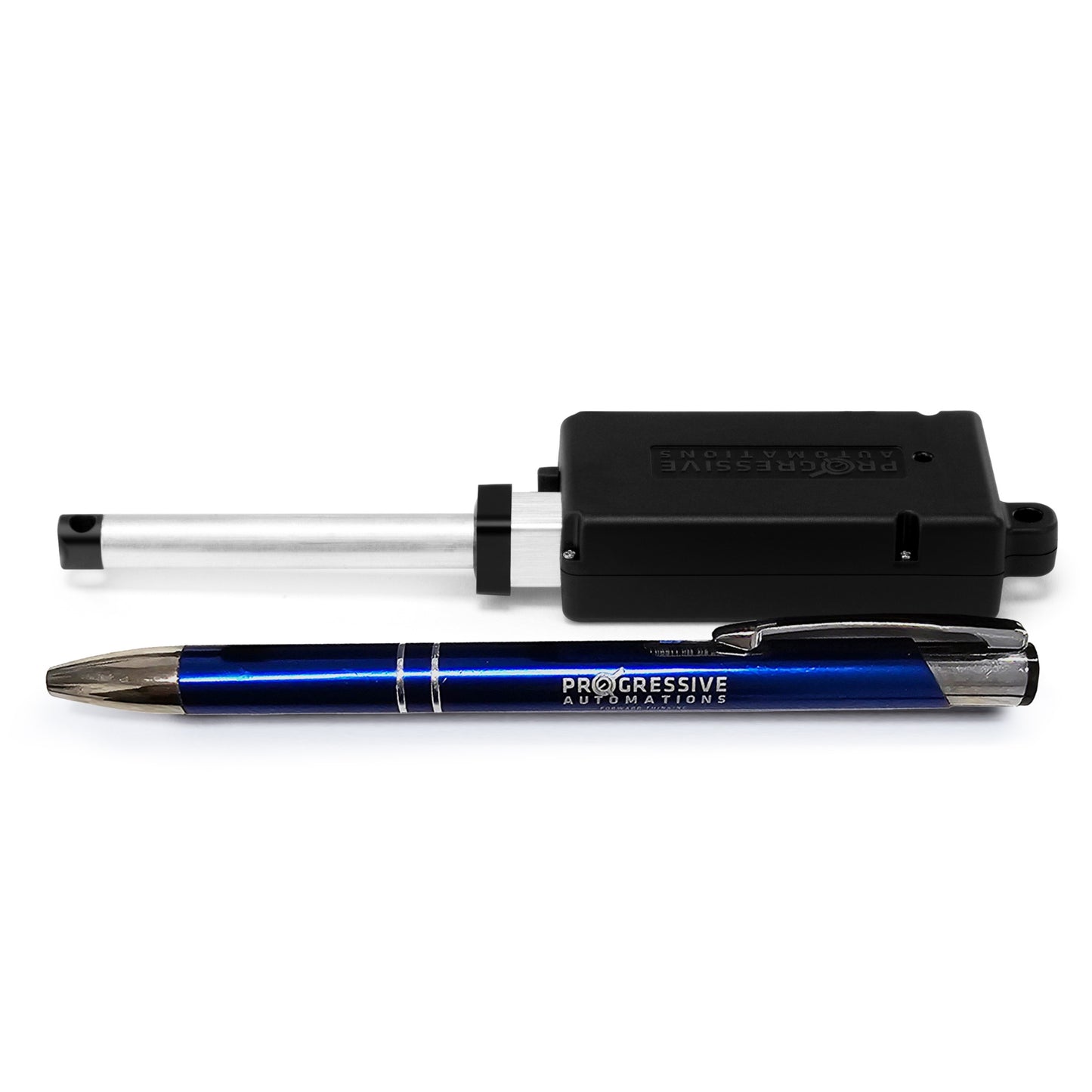
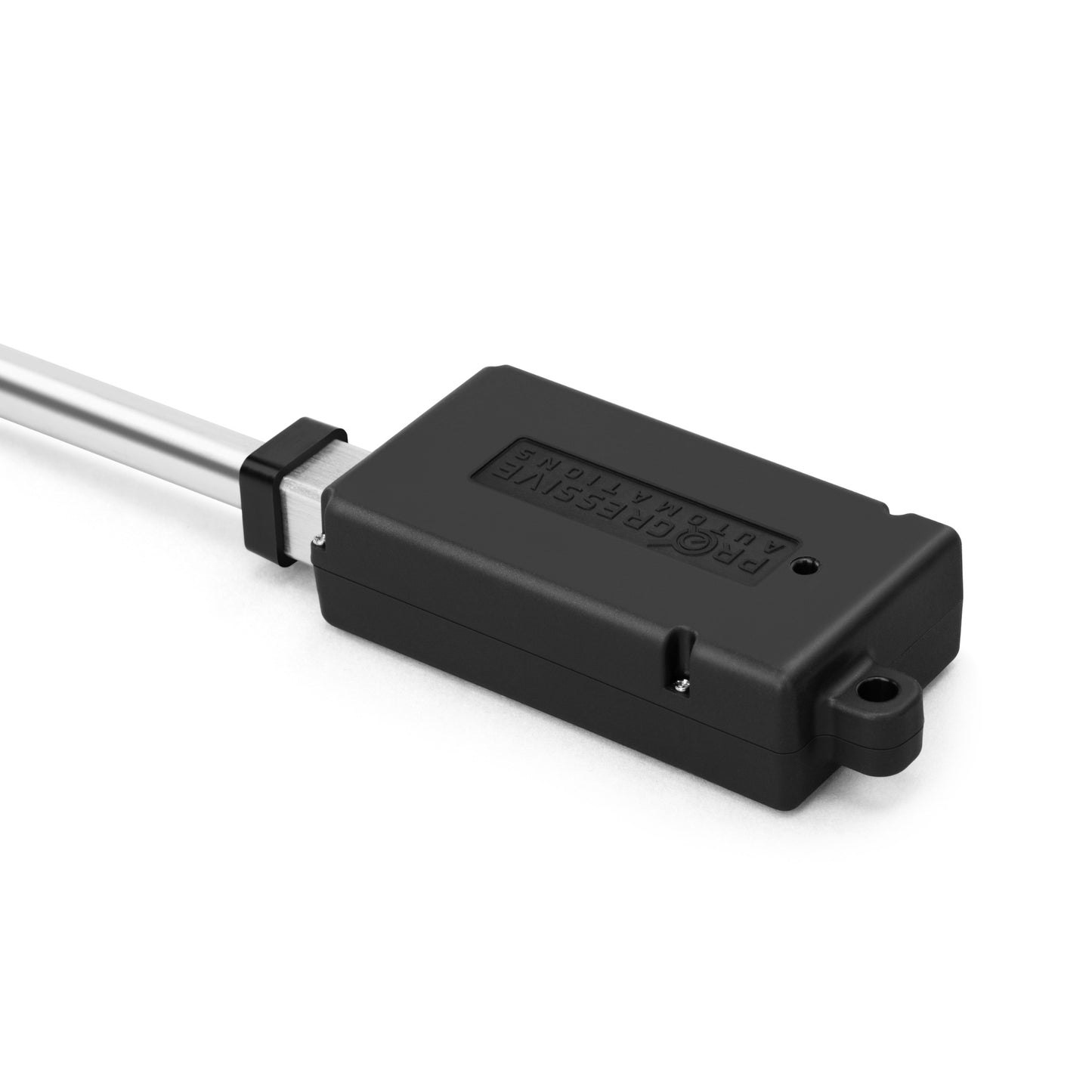
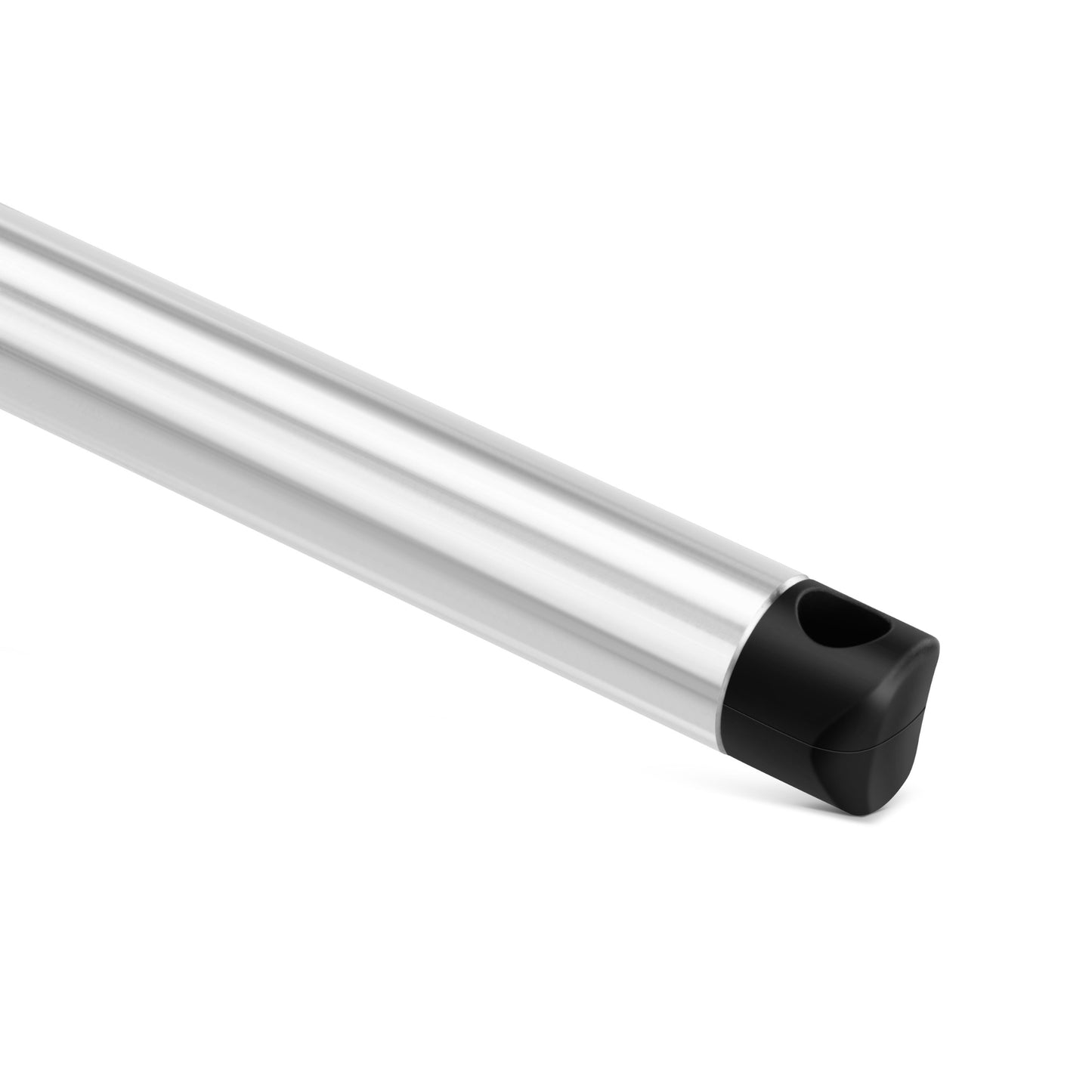
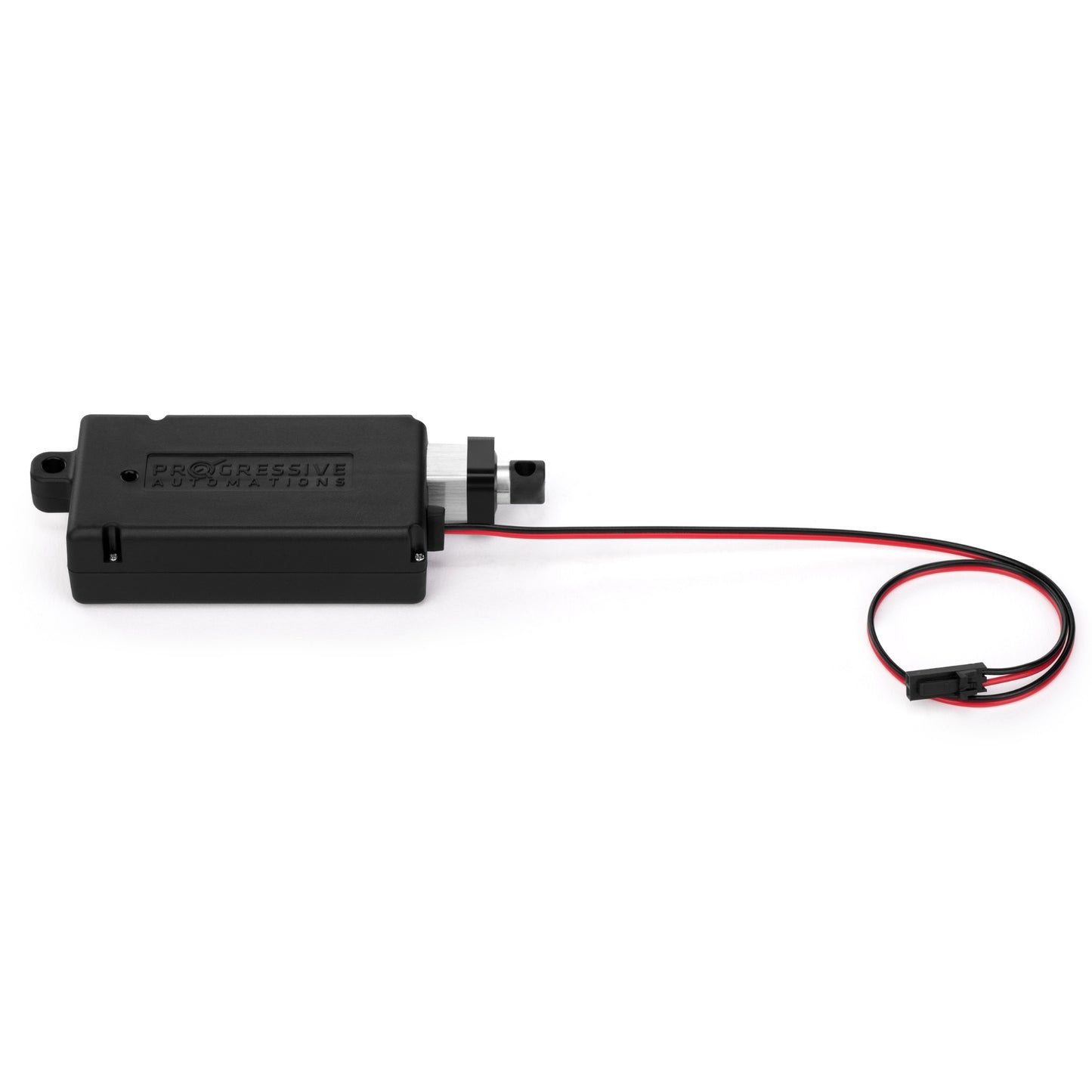
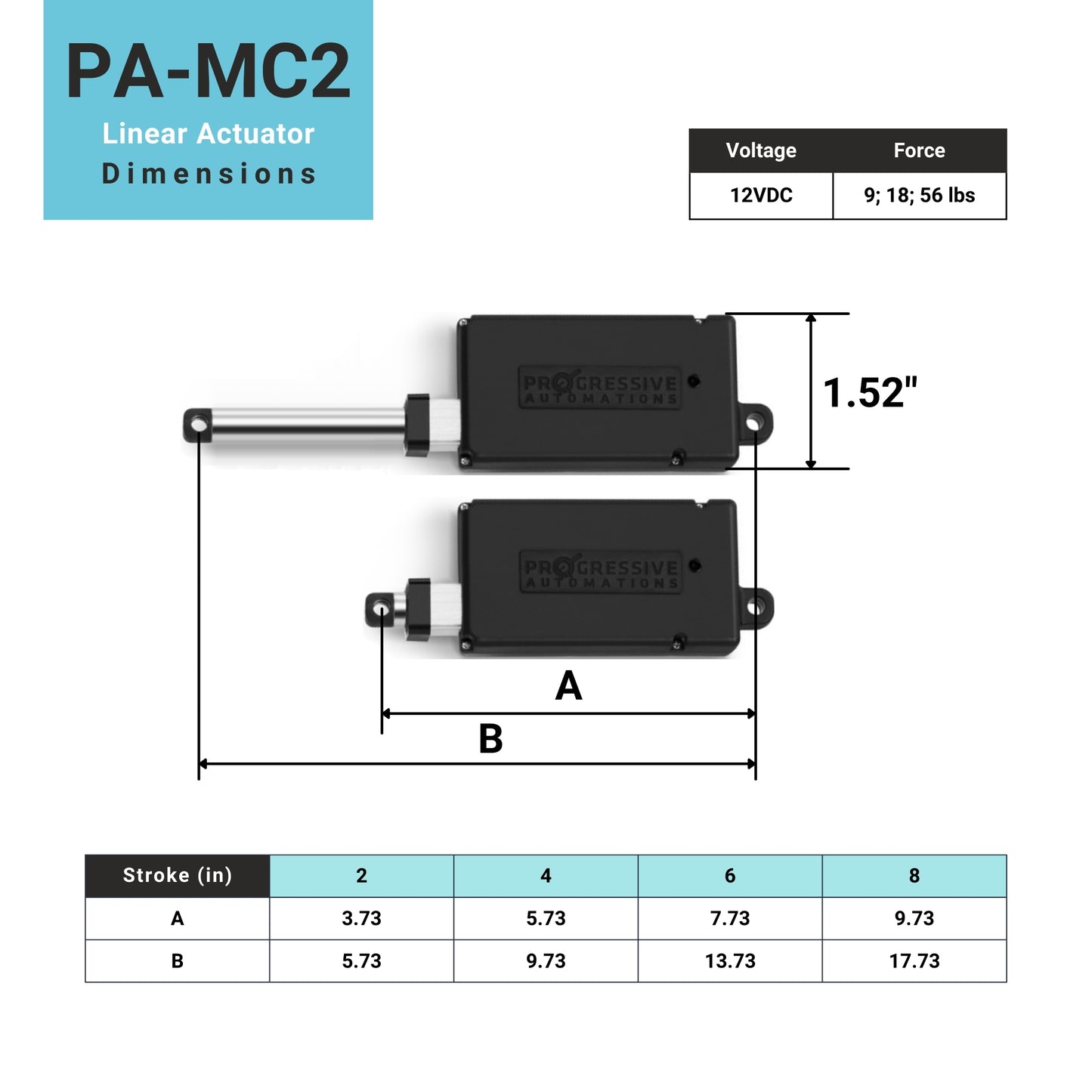
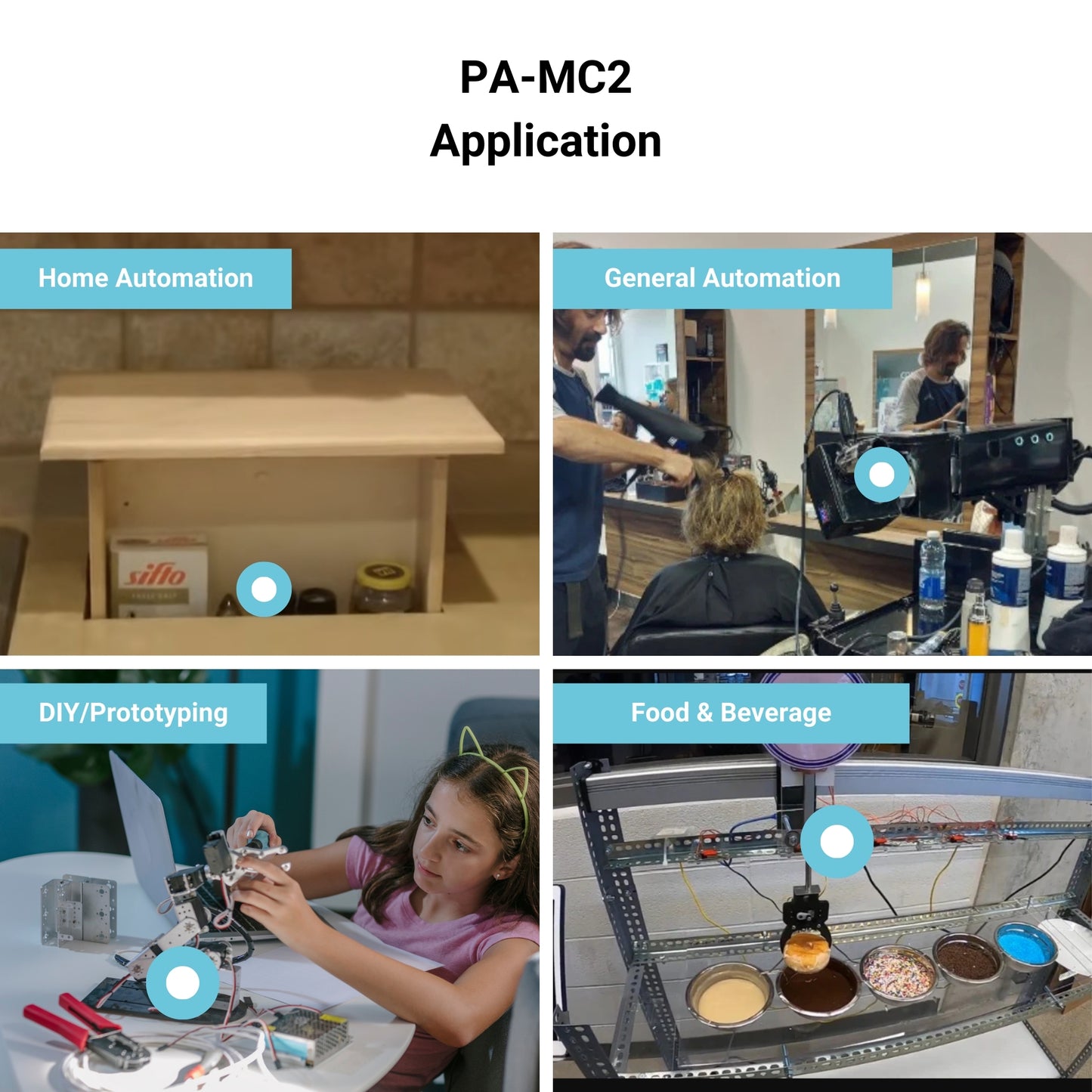
I nostri micro attuatori PA-MC2 hanno un design compatto per spazi ridotti e progetti con vincoli di spazio stringenti, offrendo al contempo materiali di costruzione durevoli come uno stelo in acciaio inox per prestazioni affidabili. Considerando le dimensioni e le capacità di carico, i nostri micro attuatori PA-MC2 offrono anche una velocità elevata fino a 2.09"/sec a vuoto con l'opzione di carico da 9 lbs. In quanto attuatore compatibile con PWM, il PA-MC2 abbinato a box di controllo compatibili PWM consente funzioni di avvio e arresto graduali.
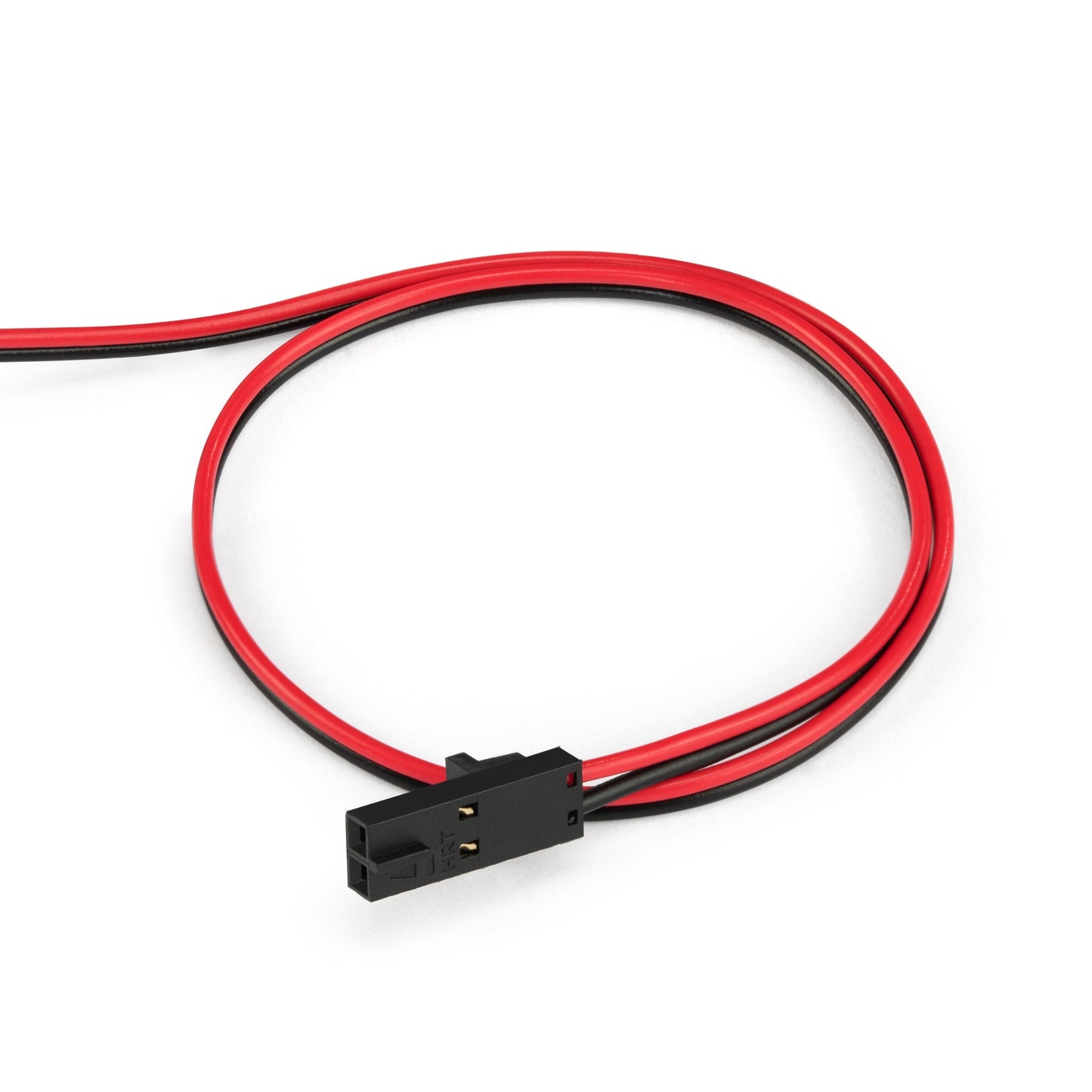
Semplicioperazioni a 2 fili, combinate con un basso assorbimento di corrente, consentono una facile integrazione con i sistemi esistenti in molte applicazioni e settori. L'ampia gamma di opzioni di carico disponibili in un formato compatto offre la versatilità necessaria da un attuatore per domotica, alimenti e bevande, progetti fai‑da‑te e automazione generale. Per l'elenco completo delle specifiche e i disegni dimensionali, consulta la scheda tecnica del micro attuatore PA-MC2.
OPZIONI DI MONTAGGIO:
Il set di staffe BRK-MC1 (esclusa la staffa a L), progettato per il nostromicro attuatore lineare, consente un processo di installazione semplice. Per informazioni e specifiche più dettagliate, consulta la pagina prodotto delle nostre staffe.
SISTEMI DI CONTROLLO:
Il basso assorbimento di corrente consente la connettività con la maggior parte dei nostri sistemi di controllo. Per ulteriori informazioni sui nostri box di controllo plug-and-play e sui microcontrollori di sviluppo, consulta la pagina dei sistemi di controllo.
Custom options
Looking for an actuator but the specifications don't exactly match what you require? We have an extensive list of customization capabilities to ensure you get exactly what you need for your project. Download this product's data sheet and find out more about your customization options!
I nostri micro attuatori PA-MC2 hanno un design compatto per spazi ridotti e progetti con vincoli di spazio stringenti, offrendo al contempo materiali di costruzione durevoli come uno stelo in acciaio inox per prestazioni affidabili. Considerando le dimensioni e le capacità di carico, i nostri micro attuatori PA-MC2 offrono anche una velocità elevata fino a 2.09"/sec a vuoto con l'opzione di carico da 9 lbs. In quanto attuatore compatibile con PWM, il PA-MC2 abbinato a box di controllo compatibili PWM consente funzioni di avvio e arresto graduali.
Semplicioperazioni a 2 fili, combinate con un basso assorbimento di corrente, consentono una facile integrazione con i sistemi esistenti in molte applicazioni e settori. L'ampia gamma di opzioni di carico disponibili in un formato compatto offre la versatilità necessaria da un attuatore per domotica, alimenti e bevande, progetti fai‑da‑te e automazione generale. Per l'elenco completo delle specifiche e i disegni dimensionali, consulta la scheda tecnica del micro attuatore PA-MC2.
OPZIONI DI MONTAGGIO:
Il set di staffe BRK-MC1 (esclusa la staffa a L), progettato per il nostromicro attuatore lineare, consente un processo di installazione semplice. Per informazioni e specifiche più dettagliate, consulta la pagina prodotto delle nostre staffe.
SISTEMI DI CONTROLLO:
Il basso assorbimento di corrente consente la connettività con la maggior parte dei nostri sistemi di controllo. Per ulteriori informazioni sui nostri box di controllo plug-and-play e sui microcontrollori di sviluppo, consulta la pagina dei sistemi di controllo.
Custom options
Looking for an actuator but the specifications don't exactly match what you require? We have an extensive list of customization capabilities to ensure you get exactly what you need for your project. Download this product's data sheet and find out more about your customization options!
Following a set of standards is crucial for businesses to ensure their products and services can meet a level of quality that promotes customer satisfaction. At Progressive Automations, we aim for nothing but the best for our customers and strive toward continual improvements. Because of this, we are excited to announce that Progressive Automations is now ISO 9001:2015 certified!
Quality You Can Trust – Learn MoreSchede tecniche

PA-MC2 Data Sheet
Modelli 2D/3D

PA-MC2 Data Sheet

Guida completa ai gradi di protezione IP
Alcune delle domande che ci vengono poste più spesso riguardano la protezione e i gradi di protez...
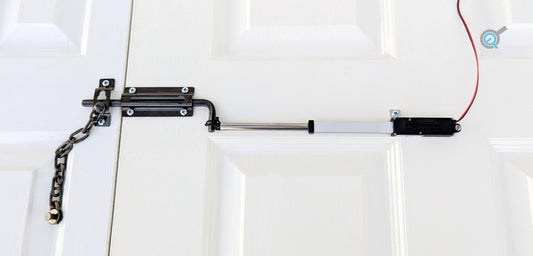
Catenaccio scorrevole con micro attuatori lineari PA-MC1
I catenacci scorrevoli si trovano quasi ovunque come mezzo per bloccare e mettere in sicurezza le...

Le 5 migliori idee fai-da-te per decorazioni e animatronica di Halloween
I progetti di Halloween sono un modo perfetto per stimolare divertimento e creatività e far entra...
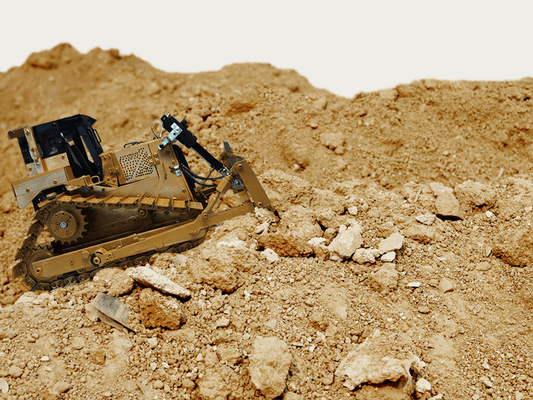
Trattore Caterpillar in scala 12:1 con micro attuatori lineari
Gli attuatori lineari sono sempre più diffusi in molti settori e in applicazioni diverse. Gli inn...
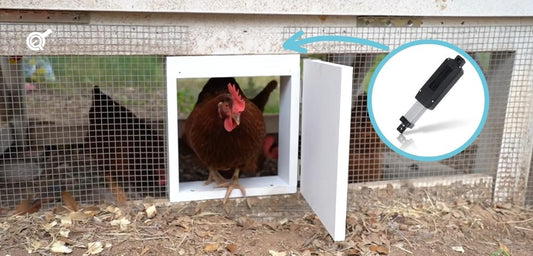
Porta automatica fai-da-te per pollaio di April Wilkerson
Allevare galline e avere uova fresche ogni giorno è davvero gratificante; tuttavia, ci sono alcun...
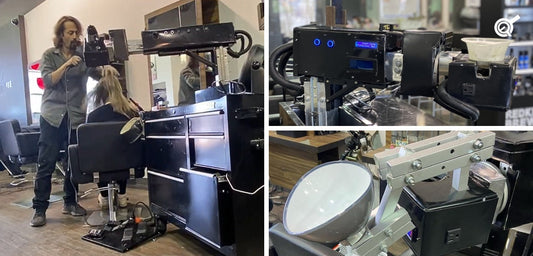
Assistente con braccio robotico per parrucchieri di Joseph Dukes
L’innovazione è un aspetto fondamentale per stimolare la crescita di qualsiasi azienda e offrire ...

Sponsorizzazione di Donut Bot dell'Università di Waterloo
Ci sono diversi motivi per cui alcuni donut possono essere considerati di bassa qualità o insoddi...
Depending on your application, there are different specification requirements you should consider when determining the linear actuator you need. These requirements include force, stroke, speed and mounting dimensions. For detailed actuator information, you can refer to either the datasheet or the specification table located on the selected actuator's product page. You can also contact us to speak with one of our expert engineers.
Duty cycle is the fraction of the working period in which a linear actuator can remain active. You can calculate the duty cycle of a linear actuator by using the following equation: Duty cycle (%) = (Time the linear actuator is active) / (Time for one working period)
For example: With a 25% duty cycle, an actuator can run for 5 minutes continuously before needing to rest for 15 minutes before operating.
Stroke is the travel distance of the extending rod. To find the stroke length you require, measure your application from the fully retracted position to the fully extended position. The difference will equal the stroke length you require.
We always recommend purchasing an actuator with a higher force rating than what the application requires. If unsure of your force requirements, this article may help you calculate this: How to Calculate Force to Find the Right Linear Actuator
Yes, this is possible. However, it does depend on the units you are currently using. To synchronize actuators, they require a form of feedback such as a potentiometer or hall effect sensors. For more information, see below some of our key content regarding linear actuator synchronization.
The control box you choose should be able to provide sufficient voltage and current rating to your actuator. If you are unsure of the specifications, please contact us.
Alternatively, you can also find compatible control boxes on your selected linear actuator's product page.
Backdriving is when an actuator starts sliding down under load, when it is either overloaded or when the actuator has been damaged. Watch the video.
What Does Dynamic and Static Load Ratings Mean?Dynamic load rating is the amount of weight an actuator can pull or push safely when being powered. Static load rating is the amount of weight the actuator can hold or withstand without back driving when it is not being powered. For example, let's just say you have an actuator installed on a window and the static load rating of the actuator is 100lbs, it could experience backdriving when there is a high wind event, which means there will be more pressure exerted on the actuator which would exceed the 100lbs load rating of the actuator.
What Is Lateral Loading?Lateral loading is when the actuator experiences forces from the lateral plane. Actuators are not meant to handle lateral forces at all so if it experiences any lateral forces, it will likely damage the actuator or bend the rod. So it's advised never to use lateral forces and always make sure the actuator is fully in line or in sync with your application, so it does not take any load other than the axial load. Watch the video.