
Mini attuatore industriale - Feedback opzionale

Attuatore lineare resistente all'acqua con grado di protezione IP66 - Feedback opzionale

Attuatore lineare ad alto carico - Feedback opzionale

Attuatore lineare ad alto carico - Feedback opzionale - Nuova generazione

Attuatore lineare per impieghi gravosi - Feedback opzionale

Attuatore lineare industriale a forza ultra elevata

Attuatore lineare industriale ad alta forza

Kit di assistenza elettrico per cassone ribaltabile
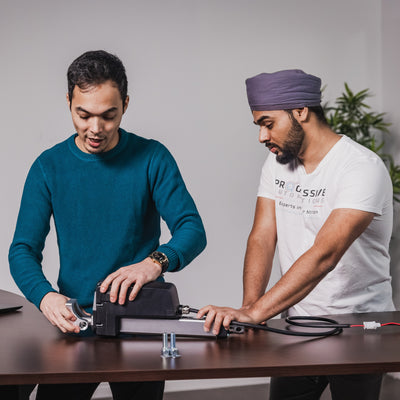
Di gran lunga la nostra linea più potente, i nostri attuatori lineari industriali sono costruiti per lavorare con meccanismi per impieghi gravosi che richiedono forze estremamente elevate. Con una capacità di forza dinamica fino a 3000 lbs, i nostri attuatori lineari industriali heavy-duty sono stati progettati specificamente per applicazioni ad alta forza, come l'inseguimento solare. Con gradi di protezione IP in grado di resistere ad ambienti difficili, sono la soluzione perfetta per applicazioni che richiedono alta forza in contesti potenzialmente gravosi. In particolare, il nostro PA-10 offre un grado di protezione leader del settore IP68M. Per coprire tutti gli scenari ad alta forza, alcuni modelli dispongono anche di funzionalità di feedback e caratteristiche impermeabili, rendendo i nostri attuatori lineari elettrici industriali versatili e adattabili alla maggior parte degli ambienti. Grazie ad anni di ricerca e sviluppo, i nostri attuatori industriali forniscono un movimento affidabile con una durata garantita; una garanzia consolidata dalla nostra copertura di 18 mesi.
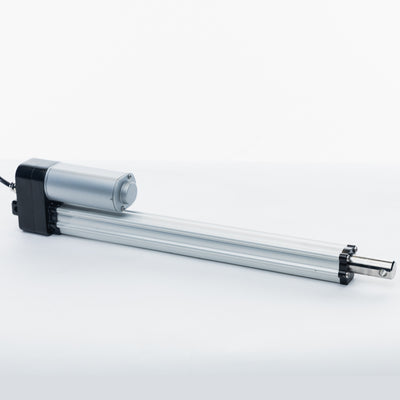
Con una capacità di forza dinamica fino a 3000 lbs, i nostri attuatori industriali ad alta forza sono i più potenti del nostro catalogo!
Per resistere ad ambienti difficili, polvere e acqua, i nostri attuatori lineari industriali vantano alti gradi di protezione; in particolare il nostro PA-10 in offre un grado di protezione IP68M.
La combinazione di elevate capacità di forza e caratteristiche di alta protezione è dovuta al design heavy-duty dei nostri attuatori industriali.
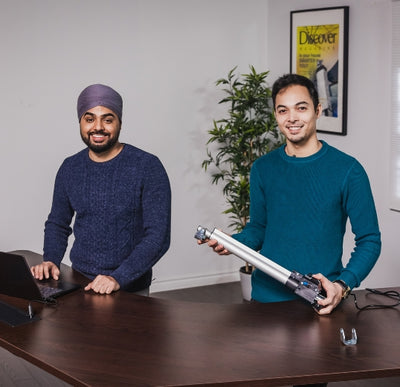
Abbiamo schede tecniche, manuali d'uso, modelli 3D, schemi di cablaggio e altro ancora nelle sezioni Risorse e Learning Center.
Sì, i nostri attuatori possono sostituire senza problemi quelli esistenti nella maggior parte delle applicazioni. Per favore contattaci se non sei sicuro di quale attuatore scegliere. Dovrai conoscere la tensione nominale, la forza nominale e la lunghezza di corsa necessarie prima che possiamo fornire una raccomandazione per un attuatore sostitutivo.
Sì. Tuttavia, è importante disporre di tensione e corrente sufficienti da applicare al tuo attuatore. Ecco un articolo che può aiutarti ulteriormente: Come scegliere l'alimentatore giusto per il tuo attuatore lineare
Poiché siamo principalmente produttori e distributori, disponiamo di una quantità limitata di codici di esempio. Sebbene non possiamo fornire codice specifico per la tua applicazione, abbiamo un elenco in crescita di codici di esempio Arduino. Per accedere a questi codici di esempio, fai clic qui.
No. Tuttavia, abbiamo un'ampia varietà di centraline di controllo tra cui scegliere per ciascun attuatore. In alternativa, puoi utilizzare anche interruttori a bilanciere come forma di controllo del movimento.
Sì, tuttavia devi assicurarti che la tua centralina possa fornire corrente sufficiente e una tensione compatibile. In caso contrario, rischi di danneggiare il/i tuo/i attuatore/i.
Fai clic qui per un elenco dei modelli CAD 3D disponibili.

Applicazioni
PRODUZIONE
Produzione di Fluid Power South
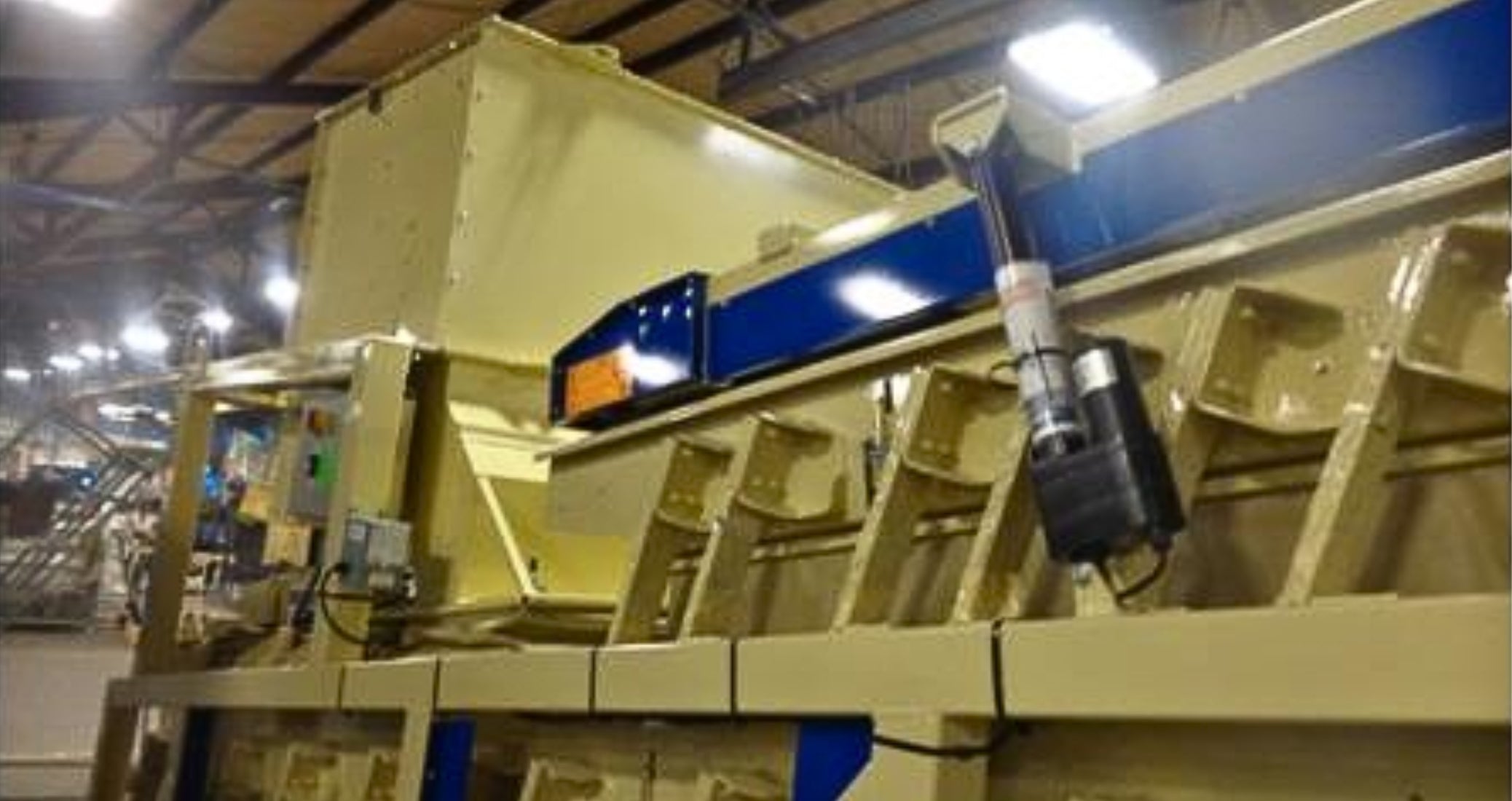
Gli attuatori pneumatici e idraulici sono spesso utilizzati in molti impianti di produzione grazie alla loro elevata capacità di carico, particolarmente adatta al settore agricolo. Tuttavia, molti clienti sono riluttanti a installare aria/fluido compressi all'interno del proprio stabilimento. Sono costosi da acquistare e possono essere molto pericolosi in caso di potenziali incidenti o sversamenti. Scopri perché Fluid Power South è passata agli attuatori elettrici e ha avuto successo grazie ai nostri modelli PA-17 heavy-duty!
AUTOMOBILISTICO
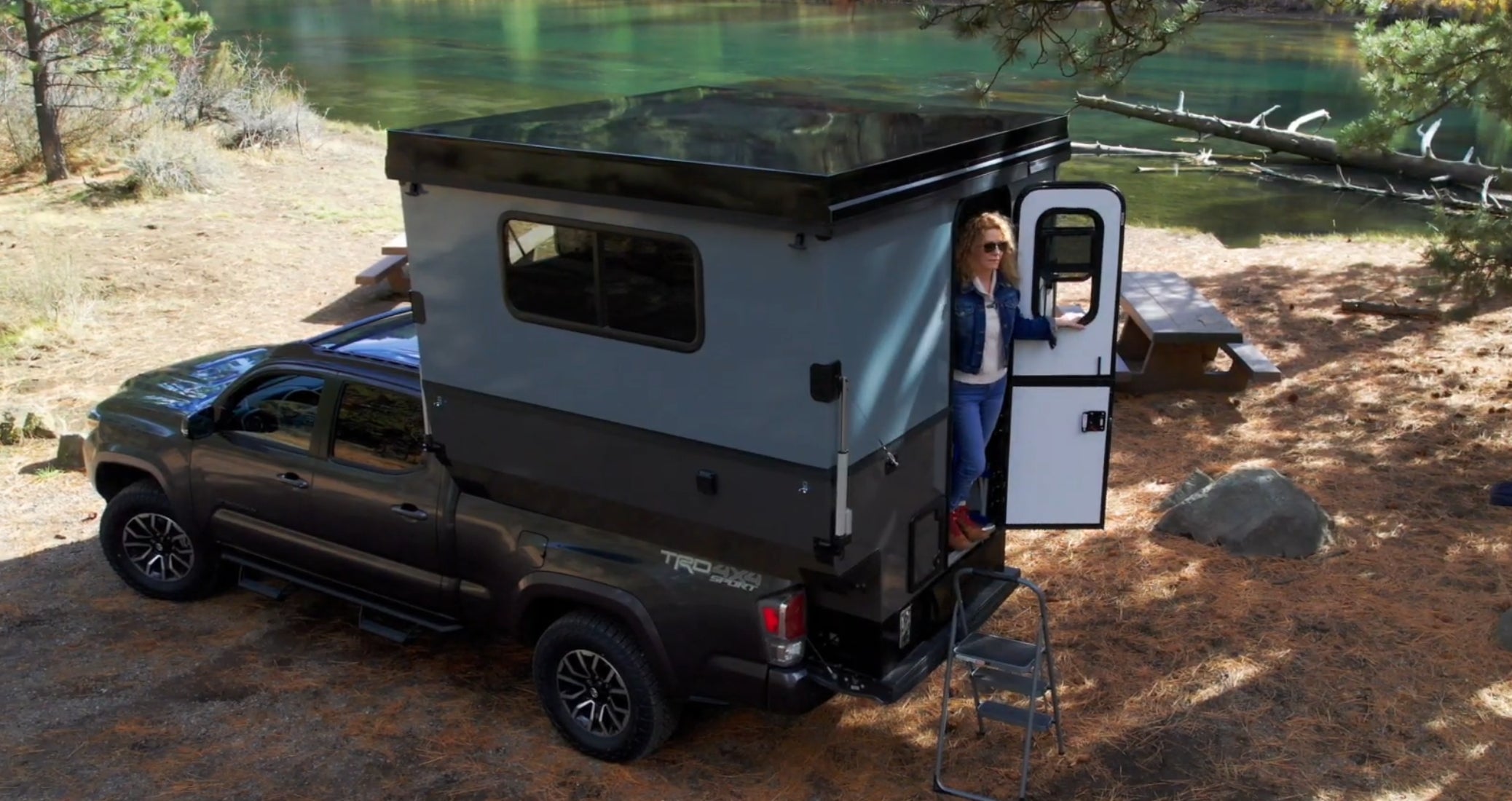
Cube Series Camper
Il team di Cube Series RV può ora sfruttare la propria tecnologia di ripiegamento ultraleggera per il Cube Series Camper. Grazie al nostro PA-10-HALL, questa soluzione camper nuova e innovativa offre ai pickup compatti la possibilità di godere di tutti i vantaggi delle alternative di qualità a guscio rigido restando comunque leggera, compatta e pratica.
DOMOTICA
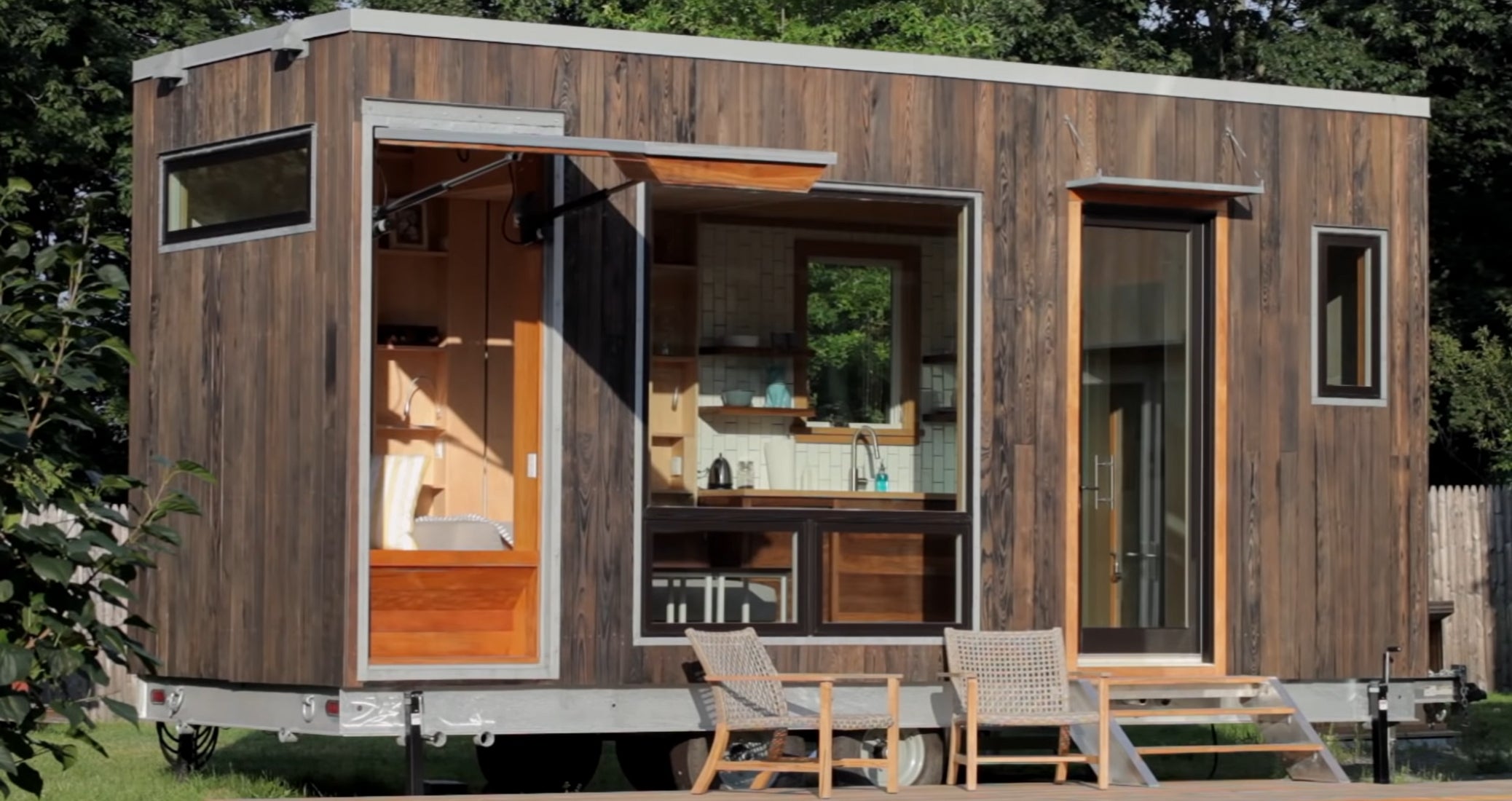
Automazione di lusso per Tiny House
Conosciuta come "The Sturgis", questa tiny house di Cubist Engineering include tutte le comodità per una vita confortevole. Dispone di un soggiorno, un bagno di lusso in stile spa con doccia esterna, una cucina completamente attrezzata con piano a induzione, un frigorifero e un letto a scomparsa. Per maggiore comodità, sicurezza e privacy, la porta ad ala di gabbiano inclusa utilizza il nostro attuatore heavy-duty PA-17 per aprirsi e chiudersi automaticamente!
Novità
Visualizza tutto-
Introducing the PA-CB Series: Designed and Built in Canada
Joanne FajardoNot all control boxes are created equal. Meet the PA-CB series — Canadian-designed actuator control boxes built for precision, reliability, and ease of use. Here's the full lineup and how to choose the right one for your application.
-
Introducing The High Current Dual Channel PA-CB41-2 Control Box
Nathan BongWe’re excited to announce the release of our PA-CB41-2 control box, specialized as a high-power a...
-
Introducing the PA-HD3A-HS Hall Heavy Duty Linear Actuator
Nathan BongLearn about the PA-HD3A-HS Hall Heavy Duty Linear Actuator benefits, specs, and real-world applications in industrial, agricultural, and automation setups.


