


Montážna konzola pre PA-01, PA-14, PA-14P
Montážna konzola pre PA-01, PA-14, PA-14P
Model: BRK-14
Couldn't load pickup availability


Táto montážna konzola je navrhnutá pre modely aktuátorov PA-01, PA-14 a PA-14P. Konzola je ľahká a umožňuje 180-stupňové otáčanie vo vašej aplikácii. Každý aktuátor vyžaduje dve montážne konzoly – po jednej na každý koniec aktuátora. Montážne konzoly sa predávajú jednotlivo a obsahujú všetky potrebné čapy.
Vlastné možnosti
Hľadáte pohon, ale špecifikácie presne nezodpovedajú vašim požiadavkám? Ponúkame rozsiahly zoznam možností prispôsobenia, aby ste získali presne to, čo potrebujete pre svoj projekt. Stiahnite si technický list tohto produktu a zistite viac o možnostiach prispôsobenia!
Táto montážna konzola je navrhnutá pre modely aktuátorov PA-01, PA-14 a PA-14P. Konzola je ľahká a umožňuje 180-stupňové otáčanie vo vašej aplikácii. Každý aktuátor vyžaduje dve montážne konzoly – po jednej na každý koniec aktuátora. Montážne konzoly sa predávajú jednotlivo a obsahujú všetky potrebné čapy.
Vlastné možnosti
Hľadáte pohon, ale špecifikácie presne nezodpovedajú vašim požiadavkám? Ponúkame rozsiahly zoznam možností prispôsobenia, aby ste získali presne to, čo potrebujete pre svoj projekt. Stiahnite si technický list tohto produktu a zistite viac o možnostiach prispôsobenia!
Dodržiavanie súboru noriem je pre firmy kľúčové, aby zabezpečili, že ich produkty a služby spĺňajú úroveň kvality, ktorá podporuje spokojnosť zákazníkov. V spoločnosti Progressive Automations sa snažíme o to najlepšie pre našich zákazníkov a neustále sa zlepšujeme. Preto s radosťou oznamujeme, že spoločnosť Progressive Automations je teraz certifikovaná podľa normy ISO 9001:2015!
Zaručená kvalita2D/3D models

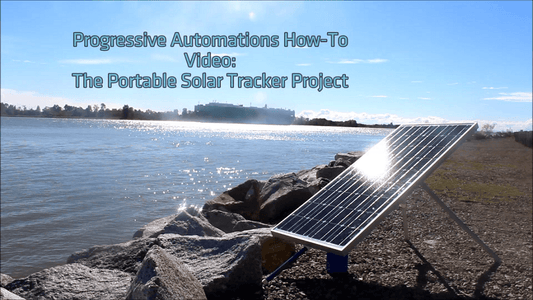
Ako postaviť prenosný solárny sledovač?
Na rozdiel od fosílnych palív a jadrovej energie je solárna energia bezpečná a čistá. Navyše pomá...
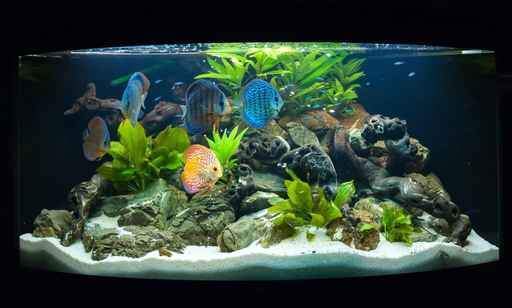
Automatizovaný zdvih krytu akvária
Naša súprava zdvihu krytu akvária je ideálna pre tých, ktorí majú kryt akvária umiestnený tak, že je k nemu ťažké sa dostať, je príliš ťažký, ak chcete pridať pohodlnejší spôsob jeho otvárania, alebo jednoducho chcete dosiahnuť elegantný vzhľad. Použitie lineárnych aktuátorov na otváranie a zatváranie zdvihu krytu výrazne uľahčí kŕmenie rýb a čistenie nádrže. Na vytvorenie vlastného zdvihu krytu akvária odporúčame použiť 2 x PA-14 lineárne aktuátory, 4 x montážne konzoly a našu ovládaciu jednotku PA-30 s bezdrôtovým diaľkovým ovládaním a AC adaptérom.
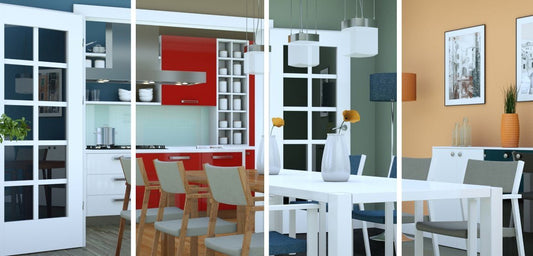
Automatizované kuchynské stojany na koreniny
Automatizované produkty sú v dnešných domácnostiach čoraz populárnejšie. Využitím našich produkto...
V závislosti od vašej aplikácie existujú rôzne požiadavky na špecifikácie, ktoré by ste mali zvážiť pri určovaní lineárny aktuátor ktoré potrebujete. Medzi tieto požiadavky patrí sila, zdvih, rýchlosť a montážne rozmery. Podrobné informácie o pohone nájdete v technickom liste alebo v tabuľke špecifikácií, ktorá sa nachádza na stránke produktu vybraného pohonu. Môžete tiež kontaktujte nás porozprávať sa s jedným z našich odborných inžinierov.
Pracovný cyklus je zlomok pracovného obdobia, počas ktorého môže lineárny aktuátor zostať aktívny. Pracovný cyklus lineárneho aktuátora môžete vypočítať pomocou nasledujúcej rovnice: Pracovný cyklus (%) = (Čas, počas ktorého je lineárny aktuátor aktívny) / (Čas jedného pracovného obdobia)
Napríklad: Pri 25 % pracovnom cykle môže aktuátor bežať nepretržite 5 minút, potom si pred prevádzkou vyžaduje 15 minút odpočinku.
Mŕtvica je dráha zdvihu vysúvacej tyče. Ak chcete zistiť požadovanú dĺžku zdvihu, zmerajte svoju aplikáciu od úplne zasunutej polohy do úplne vysunutej polohy. Rozdiel sa bude rovnať požadovanej dĺžke zdvihu.
Vždy odporúčame zakúpiť si aktuátor s vyššou menovitou silou, než akú vyžaduje aplikácia. Ak si nie ste istí svojimi požiadavkami na silu, tento článok vám môže pomôcť s ich výpočtom: Ako vypočítať silu na nájdenie správneho lineárneho aktuátora
Áno, je to možné. Závisí to však od jednotiek, ktoré práve používate. Na synchronizáciu aktuátorov je potrebná spätná väzba, ako napríklad potenciometer alebo Hallove senzory. Viac informácií nájdete nižšie v niektorých našich kľúčových článkoch týkajúcich sa synchronizácie lineárnych aktuátorov.
Ten/Tá/To ovládacia skrinka zvolený zdroj by mal byť schopný poskytnúť dostatočné napätie a prúd pre váš pohon. Ak si nie ste istí špecifikáciami, kontaktujte nás.
Prípadne môžete nájsť kompatibilné ovládacie boxy aj na produktovej stránke vybraného lineárneho aktuátora.
K spätnému chodu dochádza, keď sa aktuátor začne kĺzať nadol pod záťažou, keď je preťažený alebo keď je aktuátor poškodený. Pozrite si video.
Čo znamenajú dynamické a statické zaťažiteľnosti?Dynamická únosnosť je hmotnosť, ktorú môže aktuátor bezpečne ťahať alebo tlačiť, keď je napájaný. Statická nosnosť je hmotnosť, ktorú pohon dokáže uniesť alebo vydržať bez spätného pohybu, keď nie je napájaný. Povedzme napríklad, že máte pohon nainštalovaný na okne a statická nosnosť pohonu je 100 libier (45 kg). Pri silnom vetre môže dôjsť k spätnému pohybu, čo znamená, že na pohon bude vyvíjaný väčší tlak, ktorý prekročí nosnosť pohonu 100 libier (45 kg).
Čo je to bočné zaťaženie?Bočné zaťaženie nastáva, keď aktuátor pôsobí silami z bočnej roviny. Aktuátory nie sú vôbec určené na zvládanie bočných síl, takže ak na nich pôsobia akékoľvek bočné sily, pravdepodobne dôjde k poškodeniu aktuátora alebo ohnutiu tyče. Preto sa odporúča nikdy nepoužívať bočné sily a vždy sa uistiť, že aktuátor je úplne v jednej línii alebo synchronizovaný s vašou aplikáciou, aby nepôsobil žiadnou inou záťažou ako axiálnou. Pozrite si video.