

Mini attuatore lineare IP65 - Feedback opzionale

Mini Attuatore lineare - Feedback opzionale

Mini attuatore industriale - Feedback opzionale

Attuatore lineare resistente all'acqua con grado di protezione IP66 - Feedback opzionale

Tensione

Corsa

Forza

Grado di protezione IP

Feedback

PA-01
Sì

PA-14
sì

PA-09
sì

PA-10
sì

PA-10-HALL
Sì

PA-14P
sì

PA-09-HALL
Sì
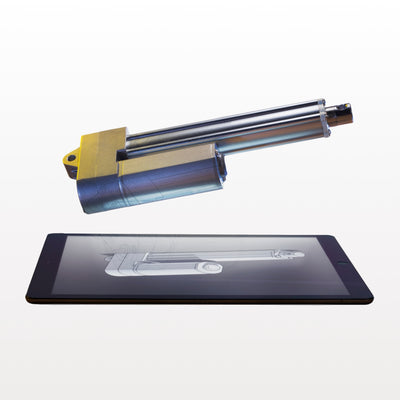
I nostri mini attuatori lineari sono tra i tipi di attuatori più popolari nel nostro catalogo per diversi motivi. Sebbene la compattezza sia una loro caratteristica evidente, è la capacità di adattarsi all’applicazione a cui sono destinati che li rende una scelta eccellente. Questa adattabilità deriva dall’ampio intervallo di Corsa e di Forza disponibili: le lunghezze di corsa vanno da 1” a 40”, e la forza dinamica parte da 35 lbs in alcuni modelli, arrivando fino a 450 lbs nel nostro PA-10. Il nostro PA-10 offre anche un grado di impermeabilità, rendendo questo mini attuatore elettrico estremamente versatile. Disponiamo inoltre di un mini attuatore lineare con funzionalità di Feedback, come nel nostro PA-14. Oltre a queste capacità, questi piccoli attuatori lineari elettrici offrono controllo preciso, compattezza e, in alcuni modelli, alti gradi di protezione IP e impermeabilità. Grazie al loro insieme di caratteristiche, i nostri mini attuatori lineari possono essere impiegati in numerose applicazioni e meccanismi diversi.
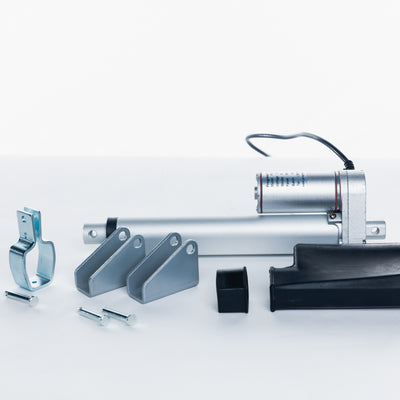
I nostri mini attuatori possono essere molto compatti con una Corsa minima di 1”, fino a 40”. Le loro valutazioni di forza dinamica vanno da 35 lbs fino a 450 lbs.
I nostri mini attuatori hanno il vantaggio di un basso assorbimento di corrente, che consente di utilizzare un’unica centralina di controllo per più attuatori.
Grazie alla loro ampia gamma di funzionalità, i nostri mini attuatori elettrici sono considerati estremamente adattabili a qualsiasi applicazione. Ciò si riflette nell’intervallo di Forza che possono offrire, insieme a determinati modelli con alti gradi di protezione IP contro l’acqua e opzioni personalizzabili per i motori brushless PA-14.

Abbiamo schede tecniche, manuali utente, modelli 3D, schemi elettrici e altro ancora nelle sezioni Risorse e Centro di apprendimento.
Sì, i nostri attuatori possono essere sostituti senza soluzione di continuità nella maggior parte delle applicazioni. Per favore contattaci se non sei sicuro di quale attuatore scegliere. Dovrai conoscere la tensione nominale, la forza nominale e la lunghezza di Corsa necessaria prima che possiamo fornire una raccomandazione per un attuatore sostitutivo.
Sì. Tuttavia, è importante applicare al tuo attuatore una tensione e una Corrente sufficienti. Ecco un articolo che potrebbe aiutarti ulteriormente: Come scegliere l’alimentatore giusto per il tuo attuatore lineare
Poiché siamo principalmente produttori e distributori, abbiamo a disposizione una quantità limitata di codici di esempio. Sebbene non possiamo fornire una programmazione specifica per la tua applicazione, abbiamo un elenco in continua crescita di esempi di codice Arduino. Per accedere a questi esempi, fai clic qui.
No. Tuttavia, offriamo un'ampia varietà di centraline di controllo tra cui scegliere per ogni attuatore. In alternativa, puoi anche utilizzare interruttori a bilanciere come forma di controllo del movimento.
Sì, tuttavia devi assicurarti che la tua centralina di controllo sia in grado di fornire un assorbimento di corrente sufficiente e una tensione compatibile. In caso contrario, rischi di danneggiare il tuo attuatore o i tuoi attuatori.
Fai clic qui per un elenco dei modelli CAD 3D disponibili.
Sì. Tutti e quattro i modelli offrono un sensore di feedback integrato opzionale (disponibile al momento dell'acquisto). La variante con feedback emette un segnale proporzionale alla posizione attuale dell'attuatore, consentendo il controllo ad anello chiuso con un controller o un relè compatibile. Ciò è particolarmente utile nella robotica, nelle apparecchiature mediche e nell'automazione di precisione, dove è necessario conoscere l'estensione esatta in ogni momento.
Iniziate valutando la forza necessaria per assicurarvi che il modello possa movimentare il carico in sicurezza. Successivamente, scegliete la lunghezza della corsa corretta per coprire l'intera distanza di movimento. Verificate lo spazio di montaggio disponibile e la compatibilità con il corpo dell'attuatore. Infine, controllate la tensione di alimentazione (12V o 24V), il grado di protezione IP richiesto in base all'esposizione a polvere o umidità e se è necessario un feedback di posizione per il sistema di controllo. Utilizzate il nostro strumento di confronto prodotti per valutare tutti i modelli uno accanto all'altro.

Applicazioni
AUTOMOBILISTICO
Camper Cube Series
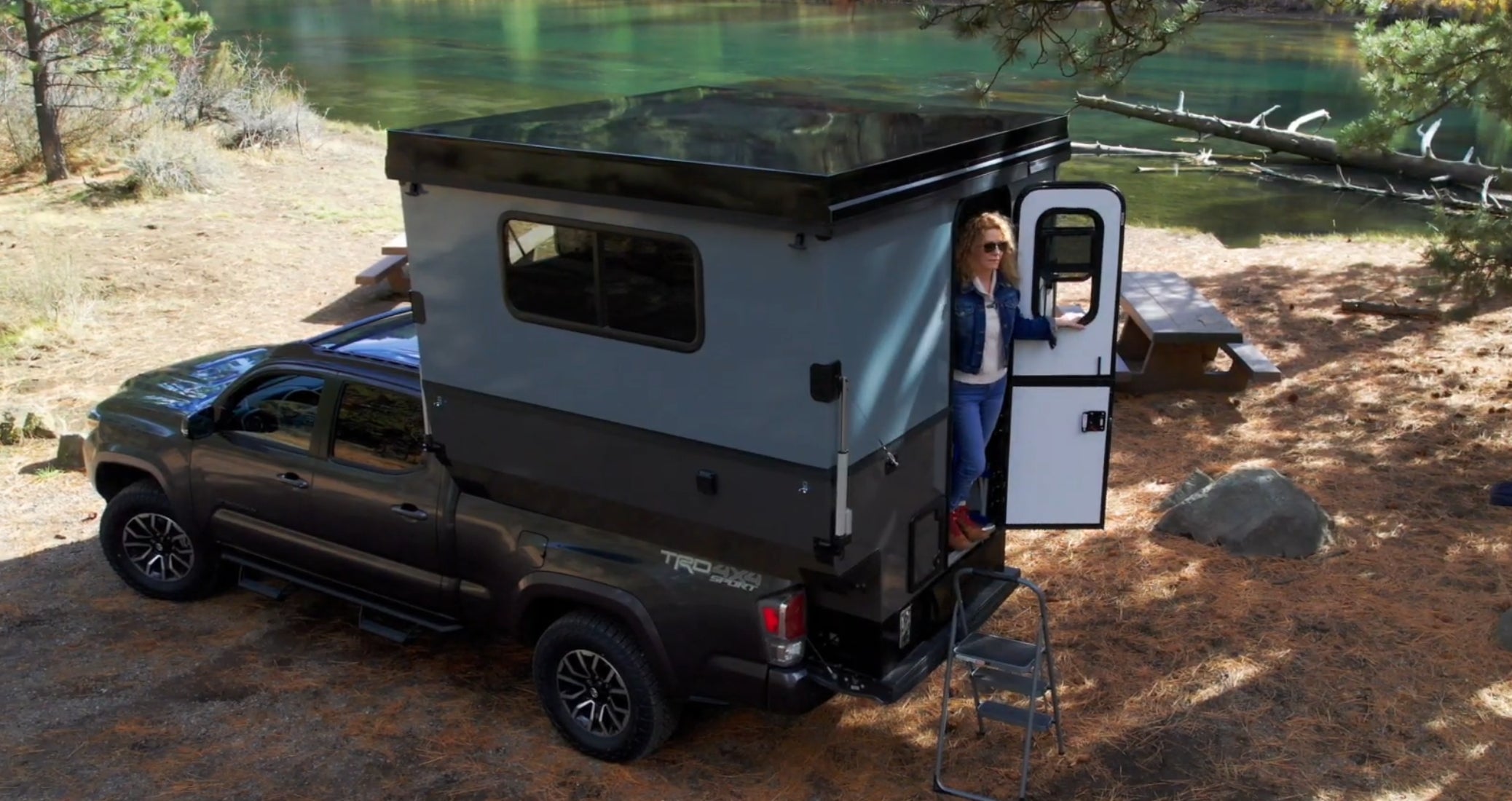
Il team di Cube Series RV può ora sfruttare la propria tecnologia di ripiegamento ultraleggera per il loro Camper Cube Series. Grazie al nostro PA-10-HALL, questa nuova e innovativa soluzione per camper offre ai pick-up compatti la possibilità di beneficiare di tutti i vantaggi delle alternative rigide di qualità, restando al contempo leggera, compatta e pratica.

PROGETTI FAI-DA-TE
Ali da concerto automatizzate
Le Automated Concert Wings di ILLUSION sono un perfetto esempio di funzionalità e stile che possono funzionare anche come oggetti di scena per Halloween. Questo progetto utilizza la leva meccanica in combinazione con i nostri PA-14 mini linear actuators per ottenere l’intera gamma di movimento necessaria per aprire e chiudere le loro ali. Con la pressione di un pulsante posizionato sulla cintura del performer, le ali potevano aprirsi meccanicamente risultando il più autentiche e realistiche possibile.
DOMOTICA
Tavolino flipper personalizzato
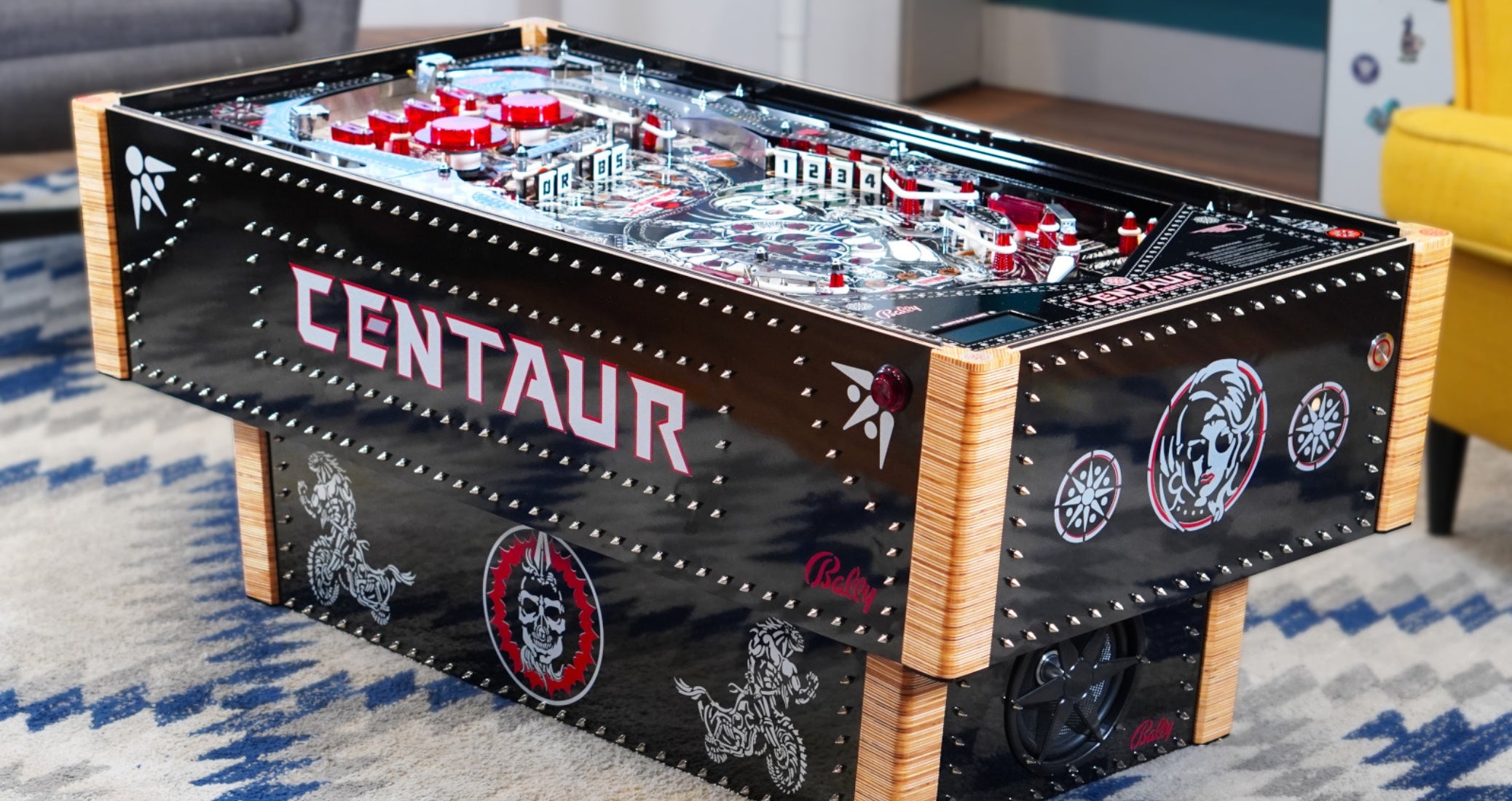
Dai un’occhiata a questo flipper fai-da-te integrato in un tavolino da caffè, comodo da usare e adatto all’uso domestico grazie alle sue dimensioni compatte. Il progetto Pintable di Loren utilizza i nostri attuatori PA-09, abbastanza compatti da entrare nel tavolo e al tempo stesso con sufficiente Forza per effettuare le necessarie regolazioni in altezza.
Let customers speak for us
This is the second Progressive actuator I have purchased this year. Both have appeared to be quality products. This one was for my Gator TS. The retracted length was perfect, but I had to modify the mounting point on the frame because the PA17's mounting rod had a bolt in it that interfered with the installation. The limit switches were easy to adjust. Hopefully this thing lasts a long time.

I haven't used it yet but the quality of the actuator looks top notch.

Needed a replacement hand held remote control for my trolling motor control. Price seemed reasonable. received the remote in just a few days. Did not receive programing instructions with the shipment Called tech support, they were very helpful and emailed instructions along with a video.
Instructions would have been nice to have included with the remote but all in all a good experience. Thanks

Worked perfect with the pa hd2 actuator. Used to add a power cart dump on my club car carryall 252 golf cart.

Great I’m sure I almost have it installed I needed to learn how to install actuator I finally used your calculator this is first time installer I need to learn the sizing better I think mine is longer than I need but wil work I think
Had to replace a 25 year old actuator on my boat and this was almost an exact fit. The motor housing was just slightly larger than the original but it worked out fine. It is SUPER quiet when operating as well.

These work great for extending the control away from actuators for custom builds. they are well built, the wire is small and the head is minimal. Which is what i was after. Mine happened to be a bed lift in an RV. I did have to purchase a number of them though, I would like to have seen an option for a 12 or 15ft option. - if your thinking of building your own from amazon bit to save some money, DONT. These are high quality, minimal and unless you build cables for a living, you wont build them for less or better.

Correct fit and good price. A lower shipping price option would help.


I’m currently working on an antenna tower project that I need to modify the top portion of my tower to allow me to work on the antenna while the tower is laying on the ground.
I cut the top 9 foot section in half and welded a hinge plate to the two half’s. I installed the actuator inside the lower section to push the top half up to 90 degree angle to allow me to install and work on the antenna while on the ground.
The actuator so for, is working perfectly!! I still have to finish the project but the actuator is doing its job very well.
This TV lift fit the parameters of my build perfectly. It was very easy to set up and operate. I was very impressed with how quiet it is and really like having the 2 different control options. Great product!

Purchased a unit for my Gator, I went with. 6” lift and drilled new holes in the Gator frame. Working good!
Customer Service is good!
I ordered an actuator and it shipped the same day. Good price. Have not tested but will soon.

Excellent product very quiet and Love Love how responsive the remote is.
Needed to replace an actuator for a tilt bed in a unique application. I was having trouble finding a good fit online until I found these guys. Spoke to customer service and they answered all of my questions. Install was easy and the actuator is very quiet.
Novità
Visualizza tutto-
Introducing the PA-CB Series: Designed and Built in Canada
Joanne FajardoNot all control boxes are created equal. Meet the PA-CB series — Canadian-designed actuator control boxes built for precision, reliability, and ease of use. Here's the full lineup and how to choose the right one for your application.
-
Introducing The High Current Dual Channel PA-CB41-2 Control Box
Nathan BongWe’re excited to announce the release of our PA-CB41-2 control box, specialized as a high-power a...
-
Introducing the PA-HD3A-HS Hall Heavy Duty Linear Actuator
Nathan BongLearn about the PA-HD3A-HS Hall Heavy Duty Linear Actuator benefits, specs, and real-world applications in industrial, agricultural, and automation setups.


