


Voeding - 100-240 VAC - 12 VDC - 12,5A - IP67
Voeding - 100-240 VAC - 12 VDC - 12,5A - IP67
Model: PS-13-12-67
Ophaalbeschikbaarheid kon niet worden geladen.


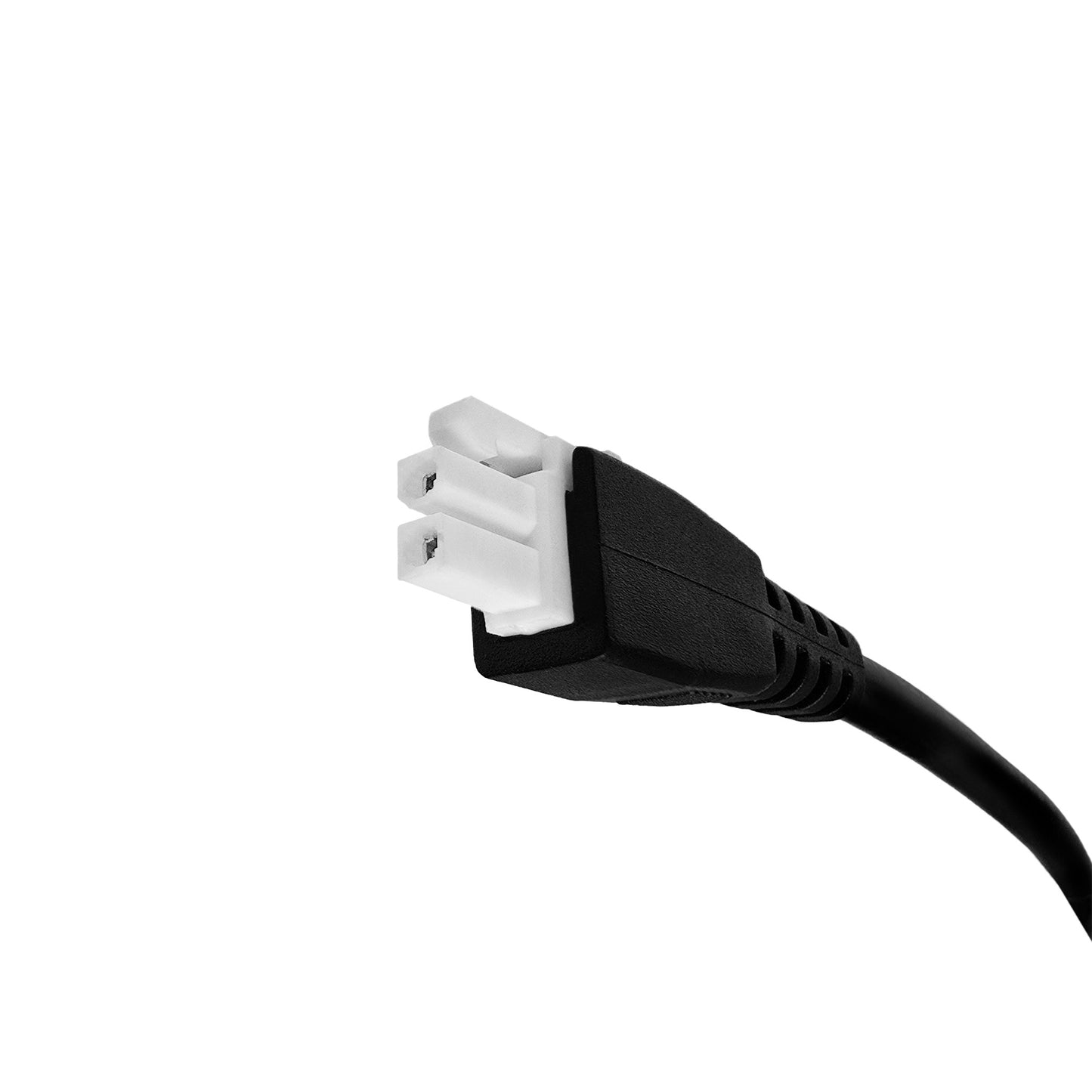
De voedingsadapter PS-13-12-67 voor lineaire actuators is compatibel met een breed bereik aan ingangsspanningen van 100–240VAC, 47–63Hz. Ontworpen voor standaard Actuator-toepassingen levert deze 150W DC-stroomomzetter 12V via een 2-Pin Molex Mini-Fit Jr. Connector en kan hij een Stroom tot 12,5A leveren. Als voeding met IP67-klassificatie is de PS-13-12-67 bestand tegen onderdompeling in water onder uiteenlopende zware omstandigheden. Geavanceerde veiligheidsfuncties zoals kortsluit-, overtemperatuur-, overbelastings- en overspanningsbeveiliging zijn in dit model inbegrepen.
De voedingsadapter PS-13-12-67 voor lineaire actuators is compatibel met een breed bereik aan ingangsspanningen van 100–240VAC, 47–63Hz. Ontworpen voor standaard Actuator-toepassingen levert deze 150W DC-stroomomzetter 12V via een 2-Pin Molex Mini-Fit Jr. Connector en kan hij een Stroom tot 12,5A leveren. Als voeding met IP67-klassificatie is de PS-13-12-67 bestand tegen onderdompeling in water onder uiteenlopende zware omstandigheden. Geavanceerde veiligheidsfuncties zoals kortsluit-, overtemperatuur-, overbelastings- en overspanningsbeveiliging zijn in dit model inbegrepen.
| Ingangsspanning | 100~240VAC, 47~63Hz |
| Uitgangsspanning | 12VDC, 150W |
| Stroom | 12.5A |
| Uitgangsconnector | 2-Pin Molex Mini-Fit Jr. contra-stekker |
| IP‑klassificatie | IP67 |
| Kabellengte | AC=36", DC=8" |
| Afmetingen (LxBxH) | 7.5" x 1.9" x 1.3" |
| Gewicht | 1.16 lbs |
| Veiligheidsfuncties | Bescherming tegen kortsluiting, overbelasting, overspanning en overtemperatuur |
| Certificeringen en normen | UL60950-1, TUV EN60950-1, CE, RoHS, EN55022 Class A, EN55024 |
| Garantie | 18 maanden |
Hoe kiest u de juiste voeding voor uw lineaire actuator
Het is erg belangrijk om de juiste voeding te kiezen voor uw elektrische lineaire actuator. U kun...

Gids voor voedingen en besturingskasten
Het kiezen van een geschikte voeding en besturingskast voor lineaire actuators is cruciaal om een...
Afhankelijk van uw toepassing zijn er verschillende specificatie-eisen waarmee u rekening moet houden bij het bepalen van de lineaire actuator die u nodig heeft. Deze eisen omvatten kracht, slaglengte, snelheid en montage-afmetingen. Voor gedetailleerde informatie over de actuator kunt u het datasheet of de specificatietabel raadplegen op de productpagina van de geselecteerde actuator. U kunt ook contact met ons opnemen om met een van onze experts te spreken.
Inschakelduur is het deel van de werkperiode waarin een lineaire actuator actief kan blijven. U kunt de inschakelduur van een lineaire actuator berekenen met de volgende vergelijking: Inschakelduur (%) = (Tijd dat de lineaire actuator actief is) / (Tijd voor één werkperiode)
Voorbeeld: Bij een inschakelduur van 25% kan een actuator 5 minuten onafgebroken draaien en moet hij vervolgens 15 minuten rusten voordat hij weer kan functioneren.
Slaglengte is de verplaatsingsafstand van de uitschuivende stang. Om de benodigde slaglengte te bepalen, meet u uw toepassing van de volledig ingetrokken positie tot de volledig uitgeschoven positie. Het verschil is de slaglengte die u nodig heeft.
We raden altijd aan een actuator te kopen met een hogere krachtclassificatie dan uw toepassing vereist. Als u niet zeker bent van de benodigde kracht, kan dit artikel u helpen dit te berekenen: Hoe u de kracht berekent om de juiste lineaire actuator te vinden
Ja, dat is mogelijk. Het hangt echter af van de units die u momenteel gebruikt. Om actuatoren te synchroniseren hebben ze een vorm van terugkoppeling nodig, zoals een potentiometer of hall-effectsensoren. Zie hieronder voor meer informatie in enkele van onze belangrijkste artikelen over het synchroniseren van lineaire actuatoren.
Meerdere lineaire actuatoren tegelijk aansturen
Hoe maakt u gebruik van FLTCON-2 & FLTCON-4 besturingskasten?
De besturingskast die u kiest, moet voldoende spanning en stroom leveren voor uw actuator. Als u niet zeker bent van de specificaties, neem dan contact met ons op.
U kunt ook compatibele besturingskasten vinden op de productpagina van de door u geselecteerde lineaire actuator.
Backdriving treedt op wanneer een actuator onder belasting naar beneden begint te schuiven, hetzij bij overbelasting, hetzij wanneer de actuator is beschadigd. Bekijk de video.
Wat betekenen dynamische en statische belastingswaarden?Dynamische belastingswaarde is het gewicht dat een actuator veilig kan trekken of duwen wanneer hij onder spanning staat. Statische belastingswaarde is het gewicht dat de actuator kan vasthouden of weerstaan zonder backdriving wanneer hij niet onder spanning staat. Stel dat u een actuator op een raam hebt geïnstalleerd en de statische belastingswaarde van de actuator is 100lbs, dan kan er bij harde wind backdriving optreden, wat betekent dat er meer druk op de actuator wordt uitgeoefend, waardoor de 100lbs-belastingswaarde van de actuator wordt overschreden.
Wat is zijdelingse belasting?Zijdelingse belasting is wanneer de actuator krachten ondervindt vanuit het laterale vlak. Actuatoren zijn niet bedoeld om zijdelingse krachten te verwerken; als ze dergelijke krachten ondervinden, zal dit waarschijnlijk de actuator beschadigen of de stang buigen. Het is daarom af te raden om ooit zijdelingse krachten te gebruiken, en zorg er altijd voor dat de actuator volledig in lijn of in sync met uw toepassing staat, zodat hij geen andere belasting opneemt dan de axiale belasting. Bekijk de video.