
Mini industriële Actuator - Optionele terugkoppeling

Waterbestendige lineaire actuator IP66 - Optionele terugkoppeling

Hoge-belasting lineaire actuator - optionele terugkoppeling

Hoge-belasting lineaire actuator - Optionele terugkoppeling - Nieuwe generatie

Heavy-Duty lineaire actuator - Optionele terugkoppeling

Industriële lineaire actuator met ultrahoge kracht

Industriële lineaire actuator met hoge kracht

Elektrische kippbak-ondersteuningskit
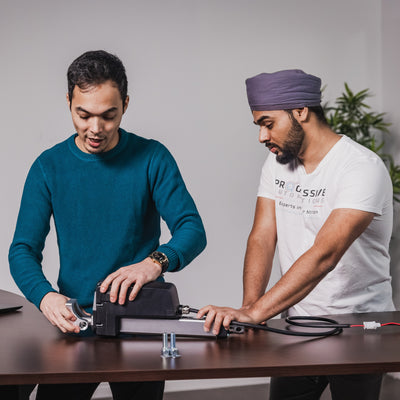
Verreweg onze krachtigste productlijn: onze industriële lineaire actuators zijn gebouwd voor heavy‑duty mechanismen met extreem hoge krachtvereisten. Met een dynamische krachtcapaciteit tot 3000 lbs zijn onze industriële heavy‑duty lineaire actuators speciaal ontworpen voor toepassingen met hoge krachten, zoals zonnetracking. Met IP‑klassificaties die zware omgevingen doorstaan, zijn ze de perfecte oplossing voor toepassingen die hoge kracht vereisen in mogelijk ruwe omstandigheden. Met name onze PA-10 heeft een toonaangevende IP‑klassificatie van IP68M. Om alle scenario’s met hoge kracht te dekken, hebben sommige modellen ook terugkoppeling en waterdichte eigenschappen, waardoor onze industriële elektrische lineaire actuators veelzijdig en aanpasbaar zijn aan de meeste omgevingen. Door jaren van onderzoek en ontwikkeling bieden onze industriële actuators betrouwbare beweging met gegarandeerde duurzaamheid; een garantie die wordt bekrachtigd door onze garantie van 18 maanden.
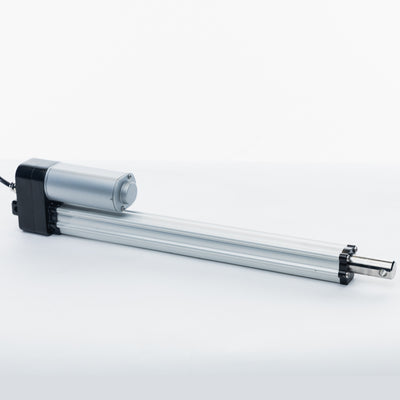
Met een dynamische krachtcapaciteit tot 3000 lbs zijn onze industriële actuators met hoge kracht de sterkste in onze catalogus!
Om bestand te zijn tegen zware omgevingen, stof en water, hebben onze industriële lineaire actuators een hoge IP‑klassificatie; onze PA-10 in heeft in het bijzonder een IP‑klassificatie van IP68M.
De combinatie van hoge krachtcapaciteit en uitgebreide beschermingsfuncties is te danken aan het heavy‑duty ontwerp van onze industriële actuators.
We hebben datasheets, gebruikershandleidingen, 3D‑modellen, bedradingsschema’s en meer in onze Bronnen en Kenniscentrum‑secties.
Ja, onze actuators kunnen voor de meeste toepassingen naadloos als vervanging dienen. Neem alstublieft contact met ons op als u niet zeker weet voor welke actuator u moet kiezen. U moet de benodigde spanningsklasse, krachtklasse en Slaglengte kennen voordat we een aanbeveling kunnen doen voor een vervangende actuator.
Ja. Het is echter belangrijk dat er voldoende spanning en Stroom beschikbaar is voor uw actuator. Hier is een artikel dat u verder kan helpen: Hoe kiest u de juiste voeding voor uw lineaire actuator
Omdat wij in de eerste plaats producenten en distributeurs zijn, hebben we slechts een beperkte hoeveelheid voorbeeldcode beschikbaar. Hoewel we geen specifieke code voor uw toepassing kunnen leveren, hebben we wel een groeiende lijst met Arduino‑voorbeeldcode. Klik hier om toegang te krijgen tot deze voorbeelden.
Nee. We hebben echter een grote verscheidenheid aan besturingskasten waaruit u voor elke actuator kunt kiezen. Als alternatief kunt u ook wipschakelaars gebruiken als vorm van bewegingsbesturing.
Ja, maar u moet ervoor zorgen dat uw besturingskast voldoende Stroom kan leveren en een compatibele spanning heeft. Anders loopt u het risico uw actuator(s) te beschadigen.
Klik alstublieft hier voor een lijst met beschikbare 3D‑CAD‑modellen.

Toepassingen
PRODUCTIE
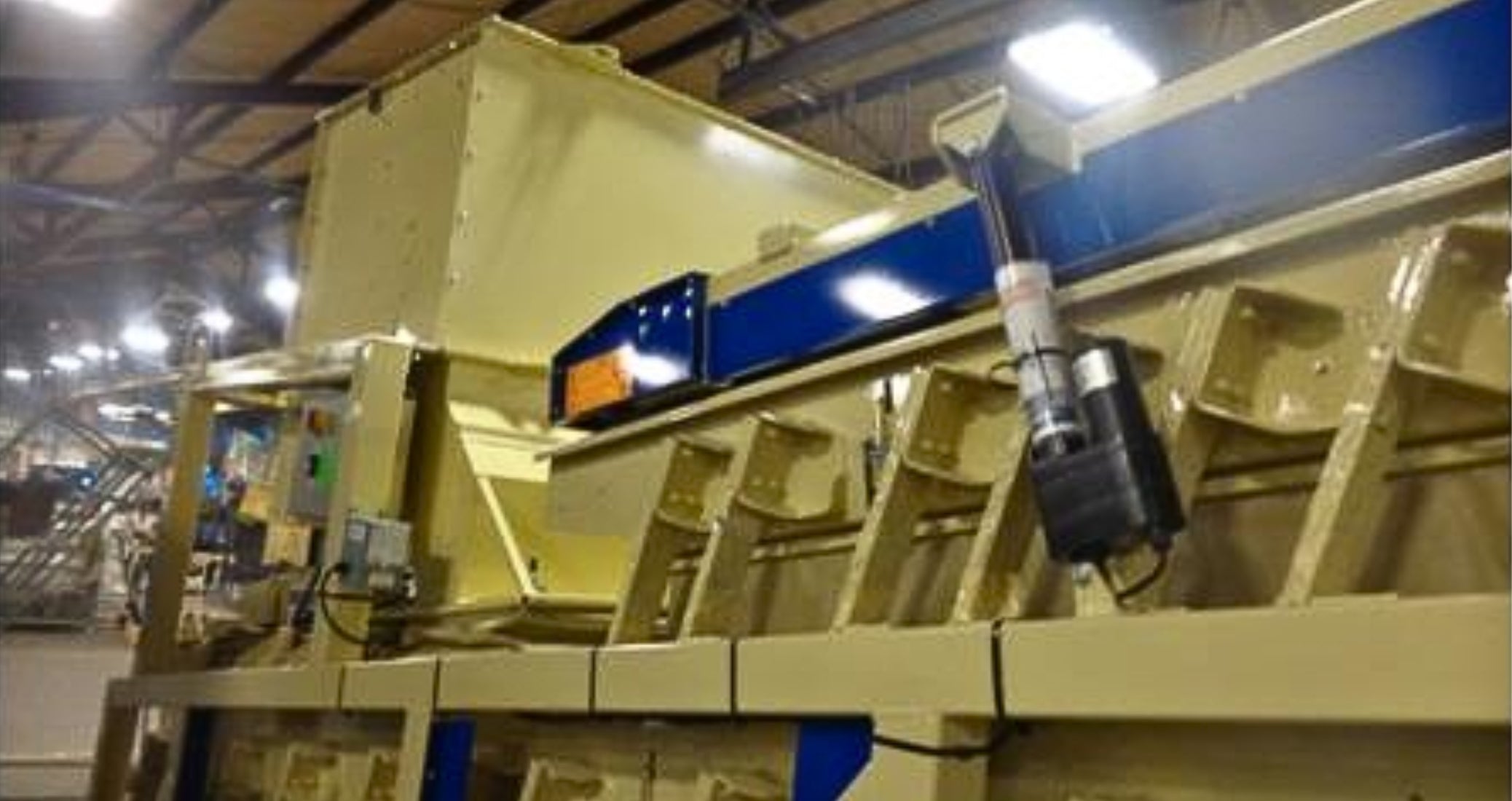
Productie bij Fluid Power South
Pneumatische en hydraulische actuators worden vaak in veel productiefaciliteiten gebruikt, omdat hun hoge belastingscapaciteit bijzonder geschikt is voor de landbouwsector. Veel klanten aarzelen echter om perslucht en hydraulische vloeistof in hun faciliteit te installeren. Ze zijn duur in aanschaf en kunnen zeer gevaarlijk zijn als er ongelukken of lekkages optreden. Lees meer over waarom Fluid Power South overstapte op elektrische actuators en succes vond met onze PA-17 heavy‑duty modellen!
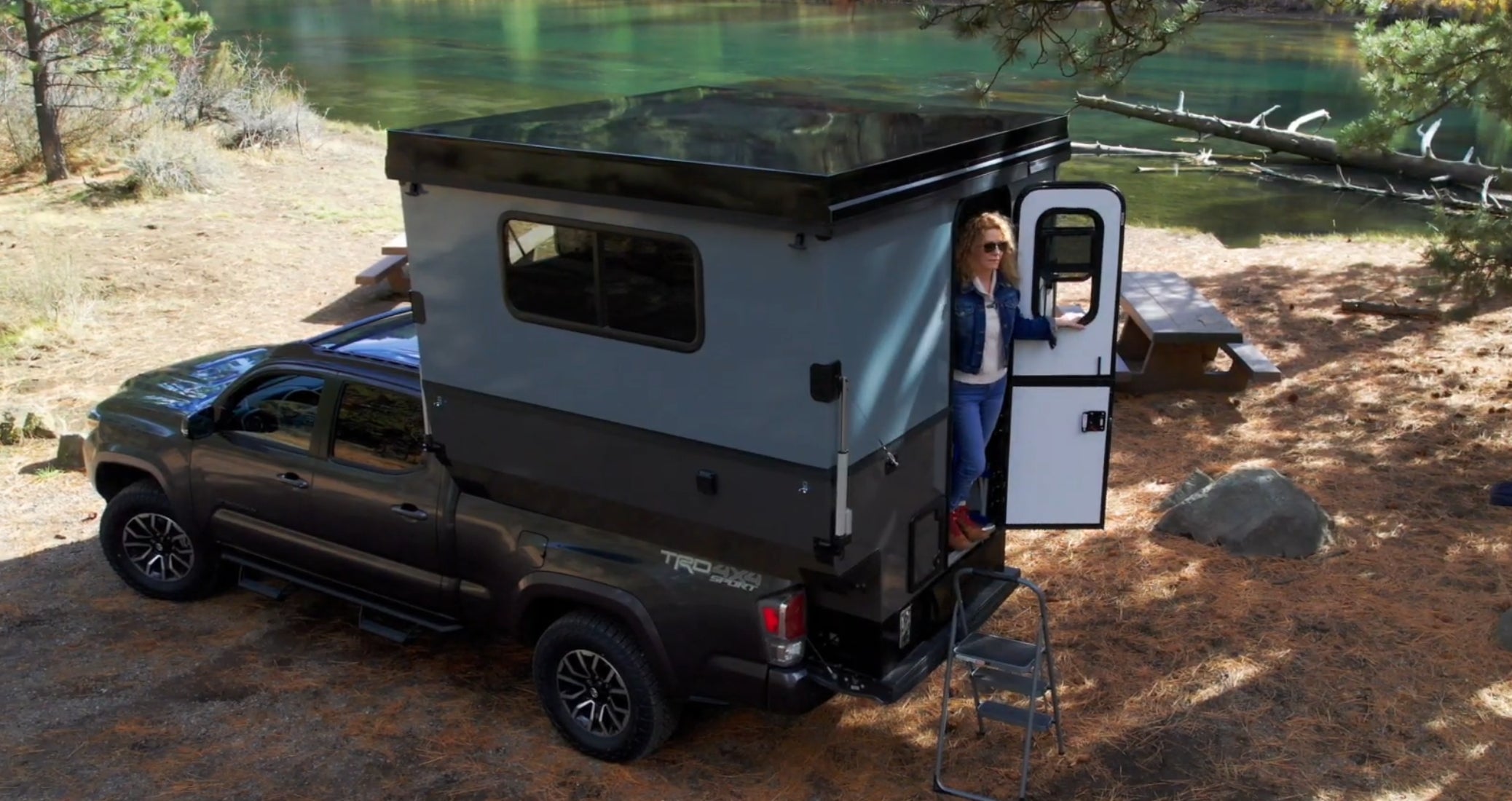
AUTOBRANCHE
Cube Series Camper
Het Cube Series RV‑team kan nu profiteren van hun ultralichte vouwtechnologie voor de Cube Series Camper. Dankzij onze PA-10‑HALL biedt deze nieuwe en innovatieve camperoplossing compacte pickups de mogelijkheid om alle voordelen van hoogwaardige hardshell‑alternatieven te ervaren, terwijl hij toch licht, compact en handig blijft.
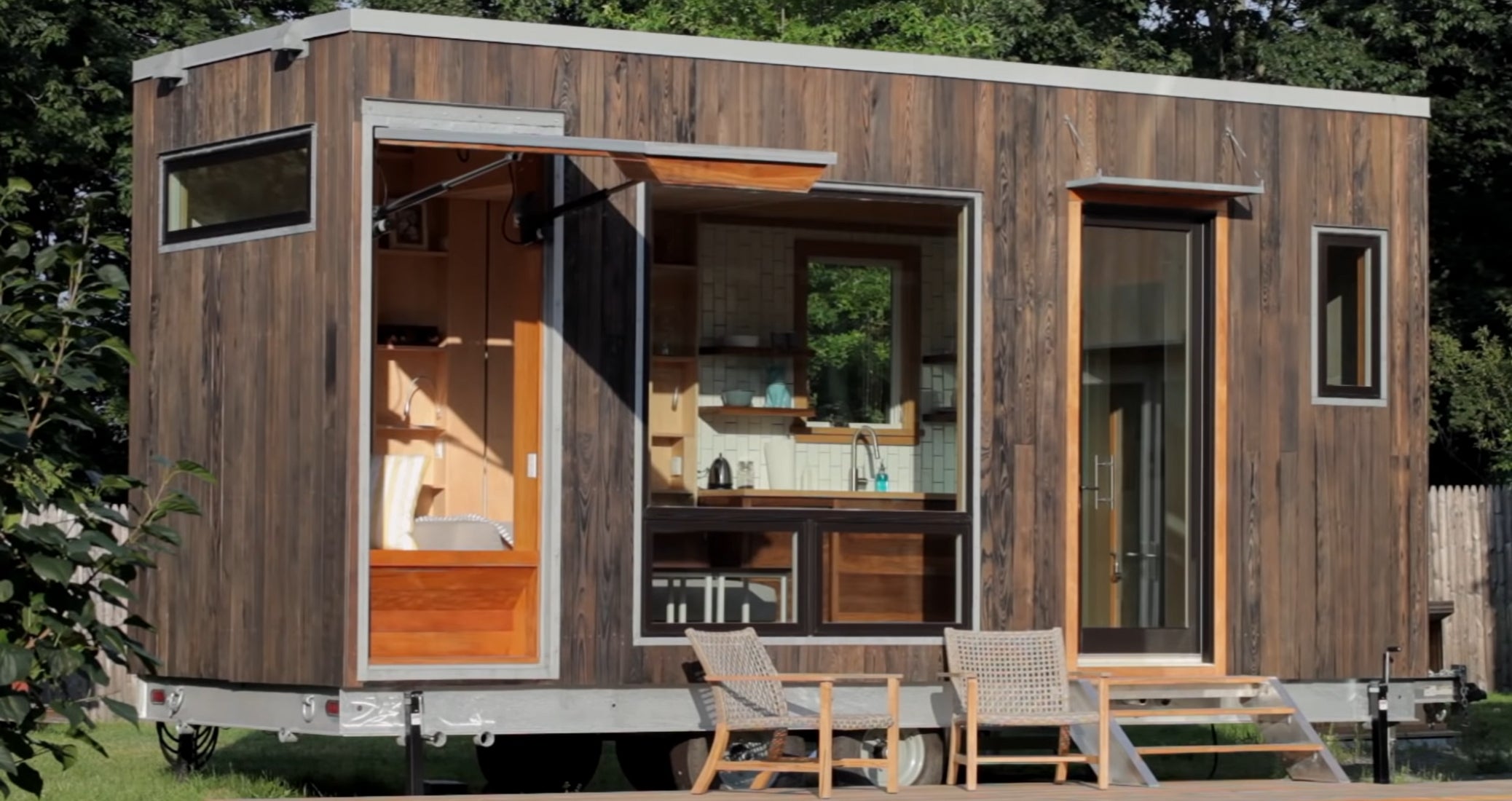
DOMOTICA
Luxe domotica voor tiny houses
Bekend als ‘The Sturgis’, dit tiny house van Cubist Engineering bevat alle luxe voor comfortabel wonen. Het beschikt over een woonkamer, een luxe badkamer in spa‑stijl met buitendouche, een volledig uitgeruste keuken met inductiekookplaat, een koelkast en een neerklapbed. Voor extra gemak, veiligheid en privacy gebruikt de meegeleverde vleugeldeur onze PA-17 heavy‑duty actuator om automatisch te openen en te sluiten!
Nieuws
Alles bekijken-
Introducing the PA-CB Series: Designed and Built in Canada
Joanne FajardoNot all control boxes are created equal. Meet the PA-CB series — Canadian-designed actuator control boxes built for precision, reliability, and ease of use. Here's the full lineup and how to choose the right one for your application.
-
Introducing The High Current Dual Channel PA-CB41-2 Control Box
Nathan BongWe’re excited to announce the release of our PA-CB41-2 control box, specialized as a high-power a...
-
Introducing the PA-HD3A-HS Hall Heavy Duty Linear Actuator
Nathan BongLearn about the PA-HD3A-HS Hall Heavy Duty Linear Actuator benefits, specs, and real-world applications in industrial, agricultural, and automation setups.


