Czym jest synchronizacja i dlaczego jest ona potrzebna?
Czym jest synchronizacja? Sama nazwa wyjaśnia koncepcję: urządzenia sterowania ruchem uruchamiane w sposób 'zsynchronizowany' i pracujące z dokładnie taką samą prędkością. Ruch liniowy wielu siłowników jest do siebie dopasowywany, aby osiągnąć pełną synchronizację. Na pierwszy rzut oka synchronizacja może wydawać się prostym zadaniem. Jednak w rzeczywistości może być zupełnie inaczej. Synchronizacji nie osiąga się po prostu przez podłączenie kilku siłowników do tego samego przełącznika, jak wielu mogłoby przypuszczać – w idealnym świecie lub w bardzo prostym ustawieniu takie rozwiązanie mogłoby działać. Jednak zazwyczaj spowoduje to, że poszczególne siłowniki liniowe będą poruszać się z różnymi prędkościami.
Nawet jeśli dwa siłowniki liniowe tej samej marki i modelu są podłączone do tego samego zasilania, może wystąpić znacząca różnica prędkości, jeśli oba są narażone na nierówne obciążenia, mają różne wzorce zużycia lub pracują w różnych temperaturach — to tylko niektóre z możliwych problemów. Aby osiągnąć zsynchronizowany ruch siłowników liniowych, konieczne jest zastosowanie jakiejś formy sterowania ruchem. W przypadku układu otwartej pętli najpopularniejszą opcją synchronizacji jest regulator prędkości. Bardziej zaawansowaną formą sterowania zsynchronizowanym ruchem jest system zamkniętej pętli, który wykorzystuje sprzężenie zwrotne od siłowników, aby określić indywidualne potrzeby każdego urządzenia i dokonywać regulacji w czasie rzeczywistym. Taka forma synchronizacji jest niezwykle precyzyjna i praktycznie pozbawiona błędów. Istnieje wiele zastosowań, w których synchronizacja siłowników liniowych jest kluczowym wymaganiem.
linear actuator solutions
We offer a variety of advanced controllers and various types of actuators with many customization options, ensuring our wide range has something for nearly any application. Let us assist you in finding the ideal solution to synchronize your project!
Modular lifting columns solutions
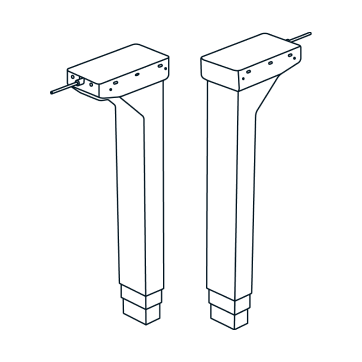
Electric lifting columns offer high performance, reliability, and safety features that can benefit a variety of applications in nearly any industry. By introducing more customization options, our release of modular lifting columns with more configurations promotes greater variety to better match your needs!
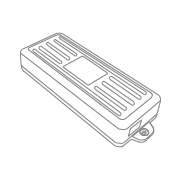
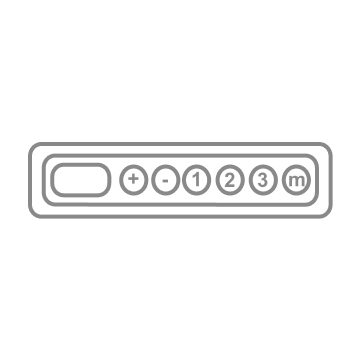
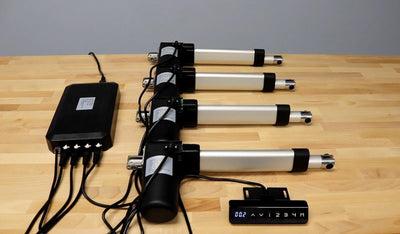
In the case of open-loop syncing, such as controlling multiple actuators with a PA-28 control box or your own programmed microcontrollers, you need to ensure that the speed controllers are capable of handling the system. There must be enough pins to accommodate the number of actuators you are using, and the code must be impeccable. When using closed-loop feedback systems, the most important factor to consider is the type of feedback encoder integrated into your synchronized actuators. In this regard, Hall effect feedback and potentiometer feedback are at the top of the list.
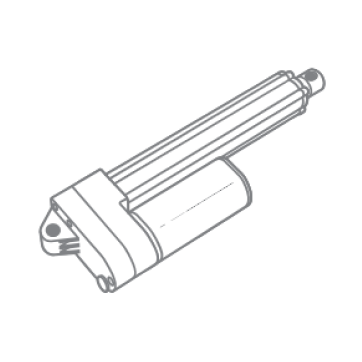
In Hall effect linear actuators, like the ones shown on this page, the feedback encoder records the number of revolutions the actuator’s driving motor is going through while moving. From this information, it is very easy for the controller to calculate the exact position, and hence the speed, of the actuator’s rod. The encoders of all the linear actuators are constantly sending feedback to the controller, which determines which actuator(s) is lagging or speeding up, and then adjust their respective speeds accordingly to ensure smooth, synchronized movement. When using Hall Effect actuators, it is necessary to use a compatible controller as well. You cannot use them with any ordinary controller, instead, one that is designed for this specific purpose is required. The control box must also have the desired number of channels in accordance with the number of actuators being used. Potentiometer feedback works in a similar way. As the actuator’s rod moves in and out, the potentiometer’s electrical resistance changes with it proportionately. This information is transmitted to the controller, which then performs the exact same function as explained above to synchronize actuators.
While many of our actuators can be customized to include feedback options (just check their data sheet), we also have stocked options!
Starting with our linear actuator range, we have high-performing Hall effect actuators with 12 VDC and 24 VDC variants. For example, our PA-04-HS linear actuator comes installed with a built-in Hall effect sensor that enables synchronization. Customers can also choose between 12 VDC and 24 VDC power supply options. The 12 VDC power supply linear actuators are much more common as most power supplies are of this specification. They are easier to integrate into actuation systems and pack decent performance specifications. The 24 VDC actuators need a specialized power supply, which often requires additional investment and equipment.
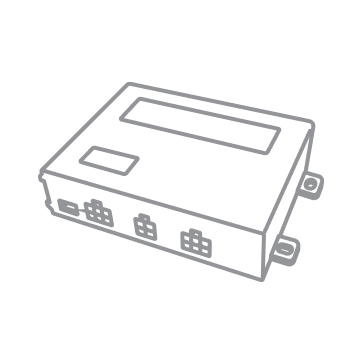
However, these variants are capable of delivering more power and torque, have a lower current draw, and thinner wiring requirements, which are a great compensation for the drawbacks highlighted above. No matter what your choice is, Progressive Automations makes sure that controlling multiple actuators is something worthy of your investment. For synchronization purposes, we offer multi-channel control boxes that are designed to handle feedback-based actuators, including our PA-40 and FLTCON control box series. Designed for Hall effect actuators, these controllers can work with both 12 and 24 VDC actuators. The PA-40, in fact, is a specialized synchronization solution for dual Hall Effect applications.