

LG-03 Modułowe kolumny podnoszące z wyborem pilota zdalnego sterowania
LG-03 Modułowe kolumny podnoszące z wyborem pilota zdalnego sterowania
Model: LG-03-2RM-16-440-HS-24V


Nie udało się załadować dostępności odbioru


Ilość zestawów kolumn
Skonfiguruj i spersonalizuj swój zestaw kolumn podnoszących, wybierając do 4 nóg. Wybierz: kompaktowy układ z jedną nogą, konfigurację dwunogą jak w standardowym biurku stojącym, trójnogi zestaw dla wysokiej nośności i dużej powierzchni blatu albo system czteronożny zapewniający maksymalną nośność i rozmiar do obsługi dowolnego stanowiska pracy. Wybór liczby nóg w systemie pomoże dobrać odpowiednie jednostki sterujące z funkcjami synchronizacji i pamięci pozycji, a konfigurację zakończysz, dodając wybrany panel sterowania.| Jednostka sterująca | Zdjęcie produktu | Napięcie wejściowe | Liczba nóg |
|---|---|---|---|
| FLTCON-1 |  | 110 VAC | 1 |
| FLTCON-2 |  | 110 VAC | 2 |
| FLTCON-2-24VDC |  | 24VDC | 2 |
| FLTCON-3 |  | 110 VAC | 3 |
| FLTCON-4 |  | 110 VAC | 4 |
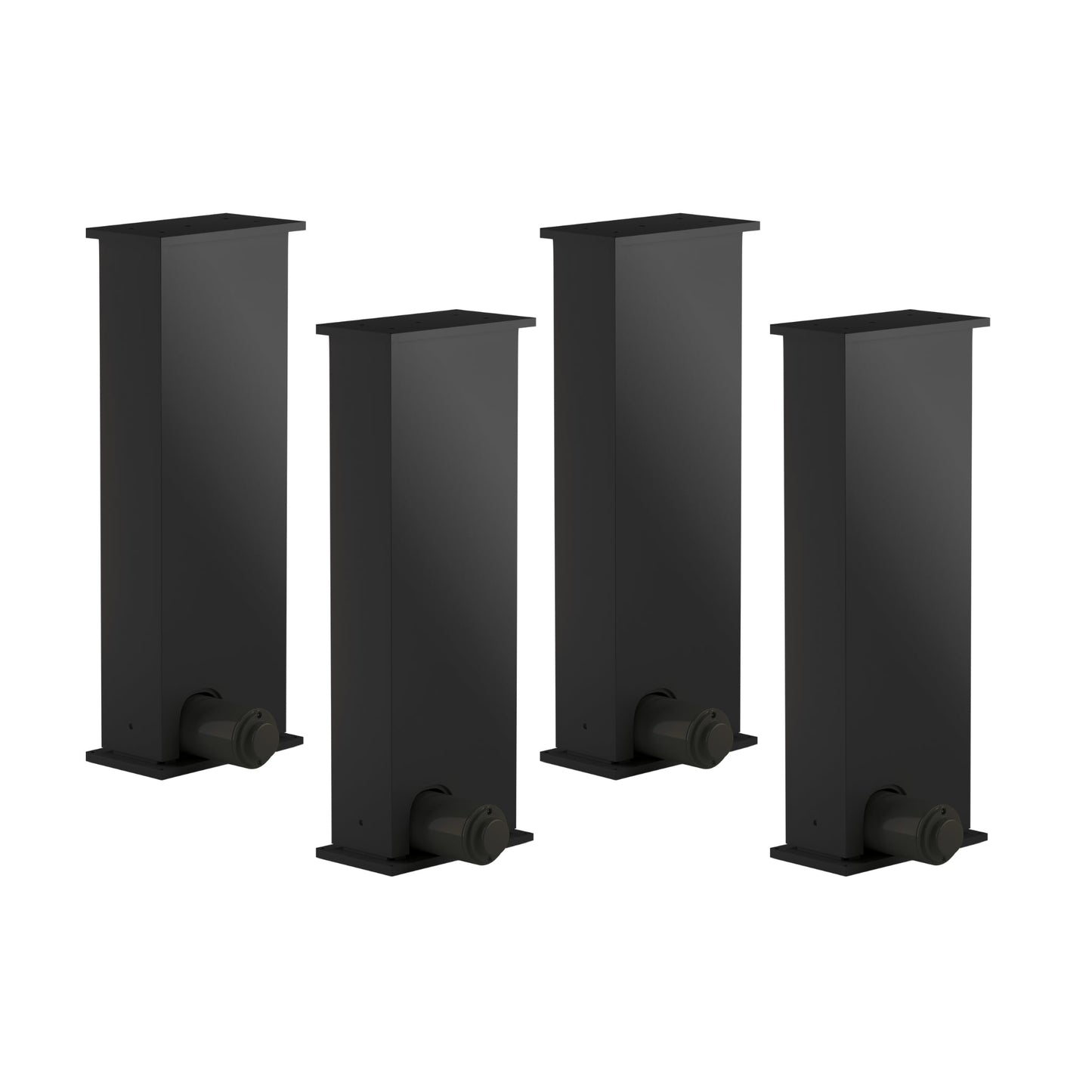
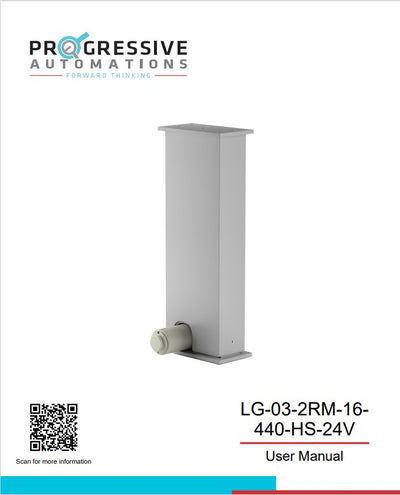
LG-03-2RM-16-440-HS-24V to jednostkowe, modułowe kolumny podnoszące, które można sparować z naszymi pilotami oraz serią skrzynek sterujących FLTCON, obsługujących do 4 nóg w jednym systemie sterowania. Ta kolumna wytwarza siłę do 440 lb, co umożliwia konfigurowalne układy radzące sobie z różnorodnymi, spersonalizowanymi instalacjami.
Zaprojektowana w kształcie prostokątnej kolumny, ta 2‑stopniowa wersja oferuje zakres wysokości od 22,8" do 37,8". Wybierz z szerokiej gamy opcji pilotów i korzystaj z unikalnych funkcji naszych różnych programowalnych przewodowych pilotów, które można używać łącznie z pilotami bezprzewodowymi dla większej wygody. Instalacja jest prosta dzięki naszemu instruktażowemu podręcznikowi PDF, który znajdziesz tutaj. Zawiera on ważne informacje techniczne, takie jak procedura resetu, sposób obsługi oraz schemat okablowania.
Opcje niestandardowe
Szukasz siłownika, ale specyfikacje nie do końca odpowiadają Twoim wymaganiom? Mamy rozbudowaną listę możliwości dostosowania, dzięki którym otrzymasz dokładnie to, czego potrzebujesz do swojego projektu. Pobierz kartę katalogową tego produktu i dowiedz się więcej o dostępnych opcjach dostosowania!
LG-03-2RM-16-440-HS-24V to jednostkowe, modułowe kolumny podnoszące, które można sparować z naszymi pilotami oraz serią skrzynek sterujących FLTCON, obsługujących do 4 nóg w jednym systemie sterowania. Ta kolumna wytwarza siłę do 440 lb, co umożliwia konfigurowalne układy radzące sobie z różnorodnymi, spersonalizowanymi instalacjami.
Zaprojektowana w kształcie prostokątnej kolumny, ta 2‑stopniowa wersja oferuje zakres wysokości od 22,8" do 37,8". Wybierz z szerokiej gamy opcji pilotów i korzystaj z unikalnych funkcji naszych różnych programowalnych przewodowych pilotów, które można używać łącznie z pilotami bezprzewodowymi dla większej wygody. Instalacja jest prosta dzięki naszemu instruktażowemu podręcznikowi PDF, który znajdziesz tutaj. Zawiera on ważne informacje techniczne, takie jak procedura resetu, sposób obsługi oraz schemat okablowania.
Opcje niestandardowe
Szukasz siłownika, ale specyfikacje nie do końca odpowiadają Twoim wymaganiom? Mamy rozbudowaną listę możliwości dostosowania, dzięki którym otrzymasz dokładnie to, czego potrzebujesz do swojego projektu. Pobierz kartę katalogową tego produktu i dowiedz się więcej o dostępnych opcjach dostosowania!
| Napięcie wejściowe | 24 VDC |
| Długość ruchu | 16" |
| Zakres wysokości | 22.8" do 37.8" |
| Udźwig | 440 lb |
| Prędkość | 0.50 "/s |
| Mechanizm podnoszenia | Silnik elektryczny |
| Stopnie | 2 |
| Kształt | Prostokątny |
| Liczba opcji zdalnego sterowania | Różne (z Progressive Automations Control Box) |
| Poziomowanie | Żaden |
| Materiał | Aluminium Alloy |
| Cykl pracy | 10% (2 minuty włączone, 18 minut zniżki) |
| Poziom hałasu | <65dB z odległości 1.5m |
| Poziom ochrony | IP43 |
| Waga jednostkowa | 23,1 lb |
| Tryb oszczędzania energii | Więcej informacji |
| Programowalne ustawienia pamięci | Więcej informacji |
| Port ładowania | Więcej informacji |
Przestrzeganie określonych standardów jest kluczowe dla firm, aby zapewnić, że ich produkty i usługi osiągają poziom jakości sprzyjający zadowoleniu klientów. W Progressive Automations dążymy do oferowania naszym klientom wyłącznie tego, co najlepsze i nieustannie dążymy do ulepszeń. Z tego powodu z radością ogłaszamy, że Progressive Automations uzyskało certyfikat ISO 9001:2015!
Jakość, której możesz zaufać – dowiedz się więcejArkusze danych
Karta danych LG-03
Modele 2D/3D