

Alimentatore - 110-220 VAC - 12 Vcc - 40 A
Alimentatore - 110-220 VAC - 12 Vcc - 40 A
Modello: PS-40-12
Impossibile caricare la disponibilità del ritiro


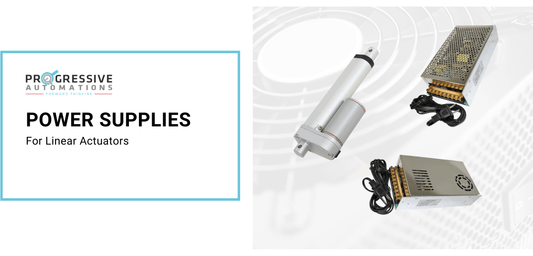
L’alimentatore PS-40-12 da 480 W è una fonte di alimentazione ideale per i nostri attuatori lineari e sistemi di controllo. Abbina questo alimentatore certificato CE e RoHS a un interruttore a bilanciere per un controllo semplice del movimento di estensione e retrazione del tuo attuatore.
Opzioni personalizzate
Stai cercando un attuatore ma le specifiche non corrispondono esattamente a ciò di cui hai bisogno? Abbiamo un ampio elenco di possibilità di personalizzazione per assicurarti di ottenere esattamente ciò che serve al tuo progetto. Scarica la scheda tecnica di questo prodotto e scopri di più sulle tue opzioni di personalizzazione!
L’alimentatore PS-40-12 da 480 W è una fonte di alimentazione ideale per i nostri attuatori lineari e sistemi di controllo. Abbina questo alimentatore certificato CE e RoHS a un interruttore a bilanciere per un controllo semplice del movimento di estensione e retrazione del tuo attuatore.
Opzioni personalizzate
Stai cercando un attuatore ma le specifiche non corrispondono esattamente a ciò di cui hai bisogno? Abbiamo un ampio elenco di possibilità di personalizzazione per assicurarti di ottenere esattamente ciò che serve al tuo progetto. Scarica la scheda tecnica di questo prodotto e scopri di più sulle tue opzioni di personalizzazione!
Come scegliere l'alimentatore giusto per il tuo attuatore lineare
È molto importante scegliere l’alimentatore giusto per il tuo attuatore lineare elettrico. Puoi a...
A seconda dell'applicazione, ci sono diversi requisiti di specifica da considerare quando si determina l’attuatore lineare necessario. Questi includono forza, Corsa, Velocità e dimensioni di Montaggio. Per informazioni dettagliate sull’attuatore, puoi consultare la scheda tecnica o la tabella delle specifiche presenti nella pagina prodotto dell’attuatore selezionato. Puoi anche contattarci per parlare con uno dei nostri ingegneri esperti.
Il Ciclo di lavoro è la frazione del periodo di lavoro in cui un attuatore lineare può rimanere attivo. Puoi calcolare il ciclo di lavoro di un attuatore lineare con la seguente formula: Ciclo di lavoro (%) = (Tempo in cui l’attuatore lineare è attivo) / (Tempo di un periodo di lavoro)
Per esempio: con un ciclo di lavoro del 25%, un attuatore può funzionare in continuo per 5 minuti, quindi deve riposare per 15 minuti prima di tornare in funzione.
La Corsa è la distanza di percorrenza dell’asta in estensione. Per trovare la lunghezza di Corsa necessaria, misura la tua applicazione dalla posizione completamente retratta a quella completamente estesa. La differenza sarà uguale alla lunghezza di Corsa richiesta.
Consigliamo sempre di acquistare un attuatore con una valutazione di forza superiore a quella richiesta dalla tua applicazione. Se non sei sicuro dei requisiti di forza, questo articolo può aiutarti a calcolarli: Come calcolare la forza per trovare l’attuatore lineare giusto
Sì, è possibile. Tuttavia dipende dalle unità che stai utilizzando. Per sincronizzare gli attuatori è necessaria una forma di Feedback, ad esempio un potenziometro o sensori a effetto Hall. Per ulteriori informazioni, consulta qui sotto alcuni dei nostri contenuti principali sulla sincronizzazione degli attuatori lineari.
La scatola di controllo che scegli dovrebbe essere in grado di fornire al tuo attuatore una tensione sufficiente e la corretta valutazione di Corrente. Se non sei sicuro delle specifiche, contattaci.
In alternativa, puoi trovare unità di controllo compatibili anche nella pagina prodotto dell’attuatore lineare selezionato.
Il backdriving si verifica quando un attuatore inizia a scivolare verso il basso sotto Carico, per sovraccarico o perché l’attuatore è stato danneggiato. Guarda il video.
Cosa significano le valutazioni di Carico dinamico e statico?La valutazione di Carico dinamico è il peso che un attuatore può tirare o spingere in sicurezza quando è alimentato. La valutazione di Carico statico è il peso che l’attuatore può sostenere o sopportare senza backdriving quando non è alimentato. Ad esempio, supponiamo che tu abbia un attuatore installato su una finestra e che la valutazione di Carico statico dell’attuatore sia 100lbs; potrebbe verificarsi backdriving durante un evento di vento forte, poiché una maggiore pressione verrebbe esercitata sull’attuatore, superando la valutazione di Carico 100lbs dell’attuatore.
Che cos’è il carico laterale?Il carico laterale si verifica quando l’attuatore subisce forze dal piano laterale. Gli attuatori non sono progettati per gestire forze laterali; se sottoposti a tali forze, è probabile che si danneggino o che l’asta si pieghi. È quindi consigliabile evitare le forze laterali e assicurarsi sempre che l’attuatore sia perfettamente in linea o in sincronia con la tua applicazione, così da non sopportare Carichi diversi da quello assiale. Guarda il video.