


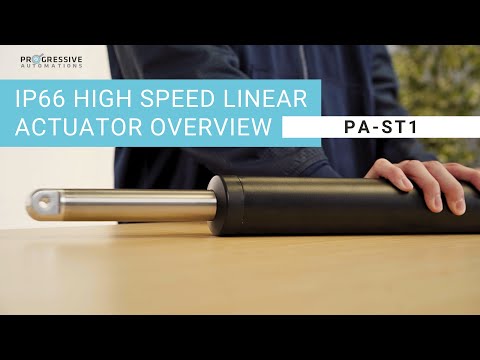
Attuatore lineare ad alta velocità IP66
Attuatore lineare ad alta velocità IP66
Modello: PA-ST1
Impossibile caricare la disponibilità del ritiro


I nostri attuatori lineari ad alta velocità PA-ST1 offrono funzionalità ad alta velocità in un fattore di forma tubolare con protezione dall'acqua IP66 per garantire durata e longevità in vari ambienti esterni. L'attuatore lineare ad alta velocità PA-ST1 offre un intervallo di corsa da 1" a 24" di serie combinato con la compatibilità con la tensione di 12 Vcc. Sono disponibili opzioni standard con valori nominali in grado di gestire una forza dinamica di 56 libbre e una forza statica di 225 libbre mentre si viaggia da 5,9"/sec a vuoto.
Simple plug-and-play operations combined with a 9.5A current draw allow for seamless implementation with existing systems across multiple applications and industries. There is a wide range of applications for these high-speed linear actuators such as casi d'uso all'aperto, Progetti fai da te, industrie agricolee domotica. Per un elenco completo delle specifiche e dei disegni dimensionali, consulta la nostra scheda tecnica dell'attuatore lineare ad alta velocità PA-ST1.
Tabella comparativa degli attuatori
OPZIONI DI MONTAGGIO:
Le BRK-09 la staffa, progettata per il Mini Linear Actuator, consente un semplice processo di installazione. Per informazioni e specifiche più dettagliate, consulta la nostra pagina del prodotto sulle staffe.
SISTEMI DI CONTROLLO:
L'assorbimento di corrente da 9,5 A a pieno carico consente la connettività con la maggior parte dei nostri sistemi di controllo. Per ulteriori informazioni sulle nostre centraline plug-n-play e sui microcontrollori di sviluppo, consulta la nostra pagina sui sistemi di controllo.
Opzioni personalizzate
Stai cercando un attuatore ma le specifiche non corrispondono esattamente a ciò di cui hai bisogno? Abbiamo un ampio elenco di possibilità di personalizzazione per assicurarti di ottenere esattamente ciò che serve al tuo progetto. Scarica la scheda tecnica di questo prodotto e scopri di più sulle tue opzioni di personalizzazione!
I nostri attuatori lineari ad alta velocità PA-ST1 offrono funzionalità ad alta velocità in un fattore di forma tubolare con protezione dall'acqua IP66 per garantire durata e longevità in vari ambienti esterni. L'attuatore lineare ad alta velocità PA-ST1 offre un intervallo di corsa da 1" a 24" di serie combinato con la compatibilità con la tensione di 12 Vcc. Sono disponibili opzioni standard con valori nominali in grado di gestire una forza dinamica di 56 libbre e una forza statica di 225 libbre mentre si viaggia da 5,9"/sec a vuoto.
Simple plug-and-play operations combined with a 9.5A current draw allow for seamless implementation with existing systems across multiple applications and industries. There is a wide range of applications for these high-speed linear actuators such as casi d'uso all'aperto, Progetti fai da te, industrie agricolee domotica. Per un elenco completo delle specifiche e dei disegni dimensionali, consulta la nostra scheda tecnica dell'attuatore lineare ad alta velocità PA-ST1.
Tabella comparativa degli attuatori
OPZIONI DI MONTAGGIO:
Le BRK-09 la staffa, progettata per il Mini Linear Actuator, consente un semplice processo di installazione. Per informazioni e specifiche più dettagliate, consulta la nostra pagina del prodotto sulle staffe.
SISTEMI DI CONTROLLO:
L'assorbimento di corrente da 9,5 A a pieno carico consente la connettività con la maggior parte dei nostri sistemi di controllo. Per ulteriori informazioni sulle nostre centraline plug-n-play e sui microcontrollori di sviluppo, consulta la nostra pagina sui sistemi di controllo.
Opzioni personalizzate
Stai cercando un attuatore ma le specifiche non corrispondono esattamente a ciò di cui hai bisogno? Abbiamo un ampio elenco di possibilità di personalizzazione per assicurarti di ottenere esattamente ciò che serve al tuo progetto. Scarica la scheda tecnica di questo prodotto e scopri di più sulle tue opzioni di personalizzazione!
Seguire un insieme di standard è fondamentale per le aziende per garantire che i propri prodotti e servizi raggiungano un livello di qualità che promuova la soddisfazione del cliente. In Progressive Automations puntiamo solo al meglio per i nostri clienti e lavoriamo per miglioramenti continui. Per questo siamo entusiasti di annunciare che Progressive Automations è ora certificata ISO 9001:2015!
Qualità di cui puoi fidarti – Scopri di piùSchede tecniche
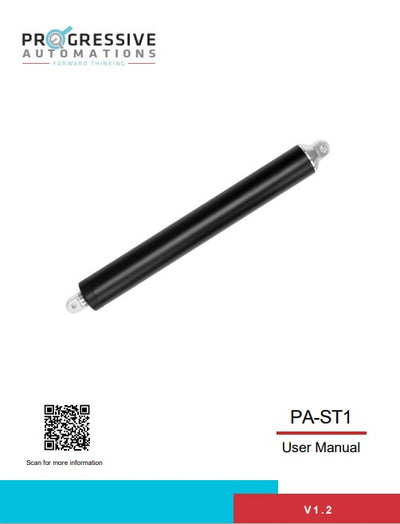
PA-ST1 Scheda tecnica
Modelli 2D/3D

Modelli 3D PA-ST1

Guida completa ai gradi di protezione IP
Alcune delle domande che ci vengono poste più spesso riguardano la protezione e i gradi di protez...
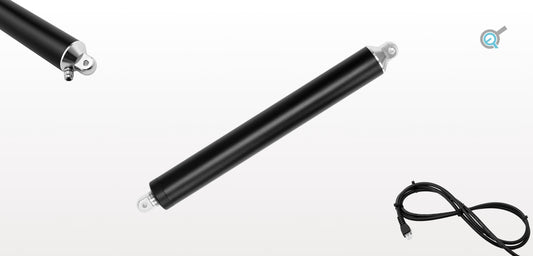
Presentiamo il nuovo attuatore lineare PA-ST1 ad alta velocità
Gli attuatori lineari ad alta velocità sono componenti critici in applicazioni che richiedono mov...

Macchina lancia-palloni automatizzata per il football americano del team AFTM
Un attuatore ad alta velocità, un Arduino, del codice e una videocamera proiettano una macchina l...
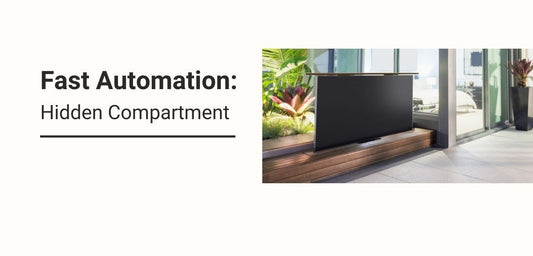
Vano nascosto nel mobile TV con il nostro attuatore rapido
Questo cliente ha utilizzato il nostro PA-15, un Attuatore lineare ad alta velocità e compatto, p...
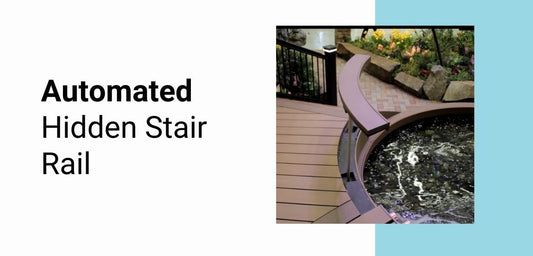
Sponsorizzazione: Dr. Decks Phantom Rail con attuatori ad alta velocità
Dr. Decks ci ha portato un’altra grande e entusiasmante invenzione dalla sua linea di prodotti Ph...