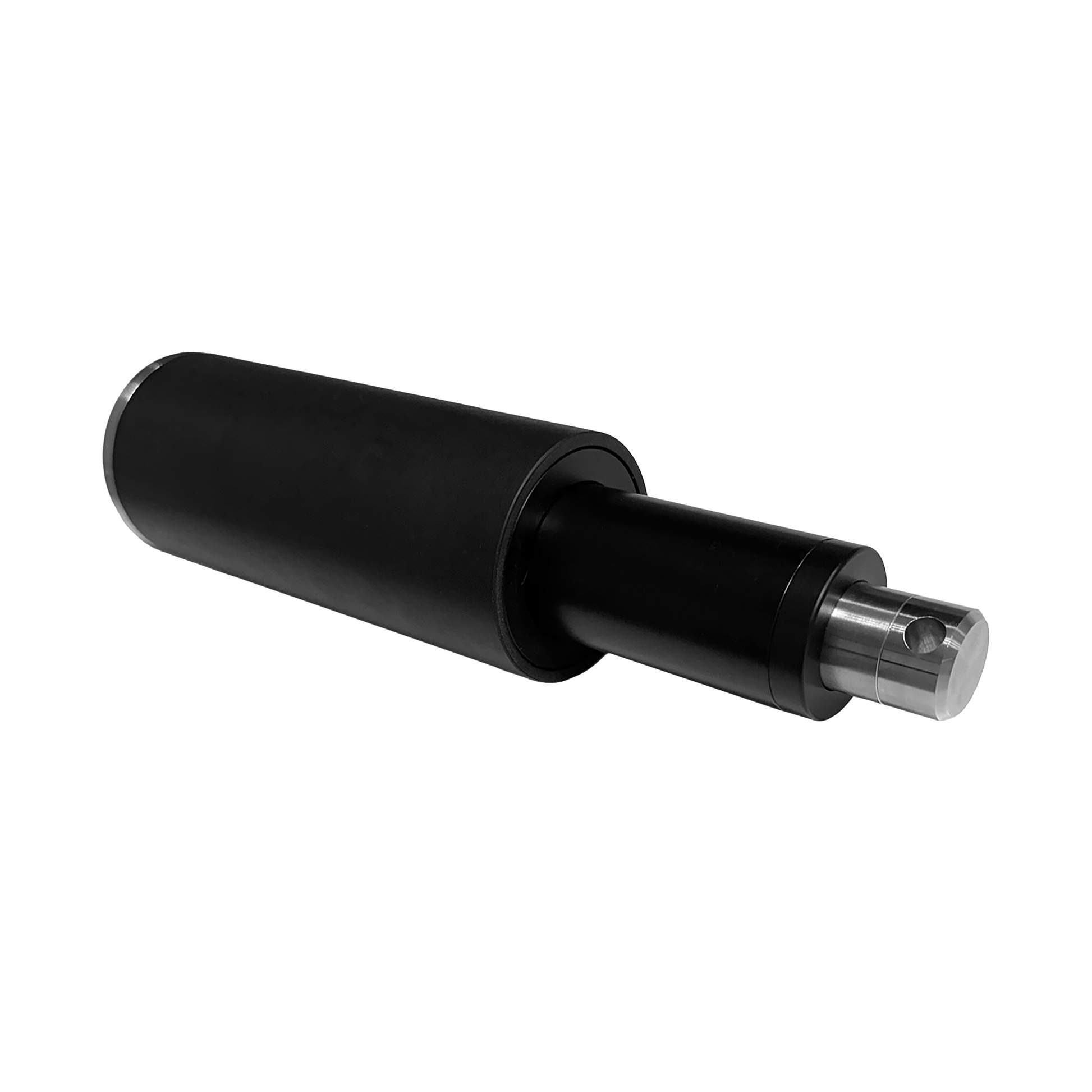
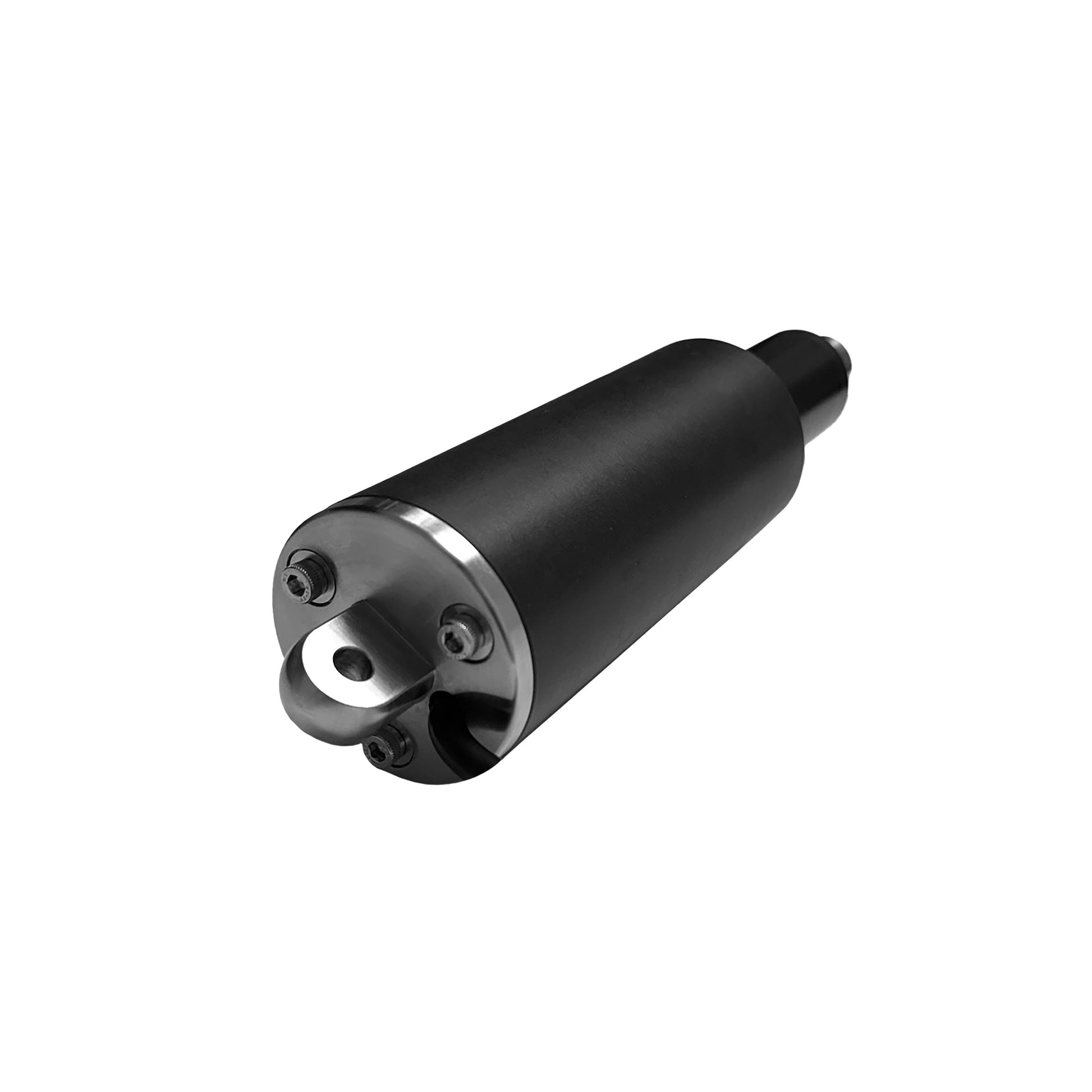
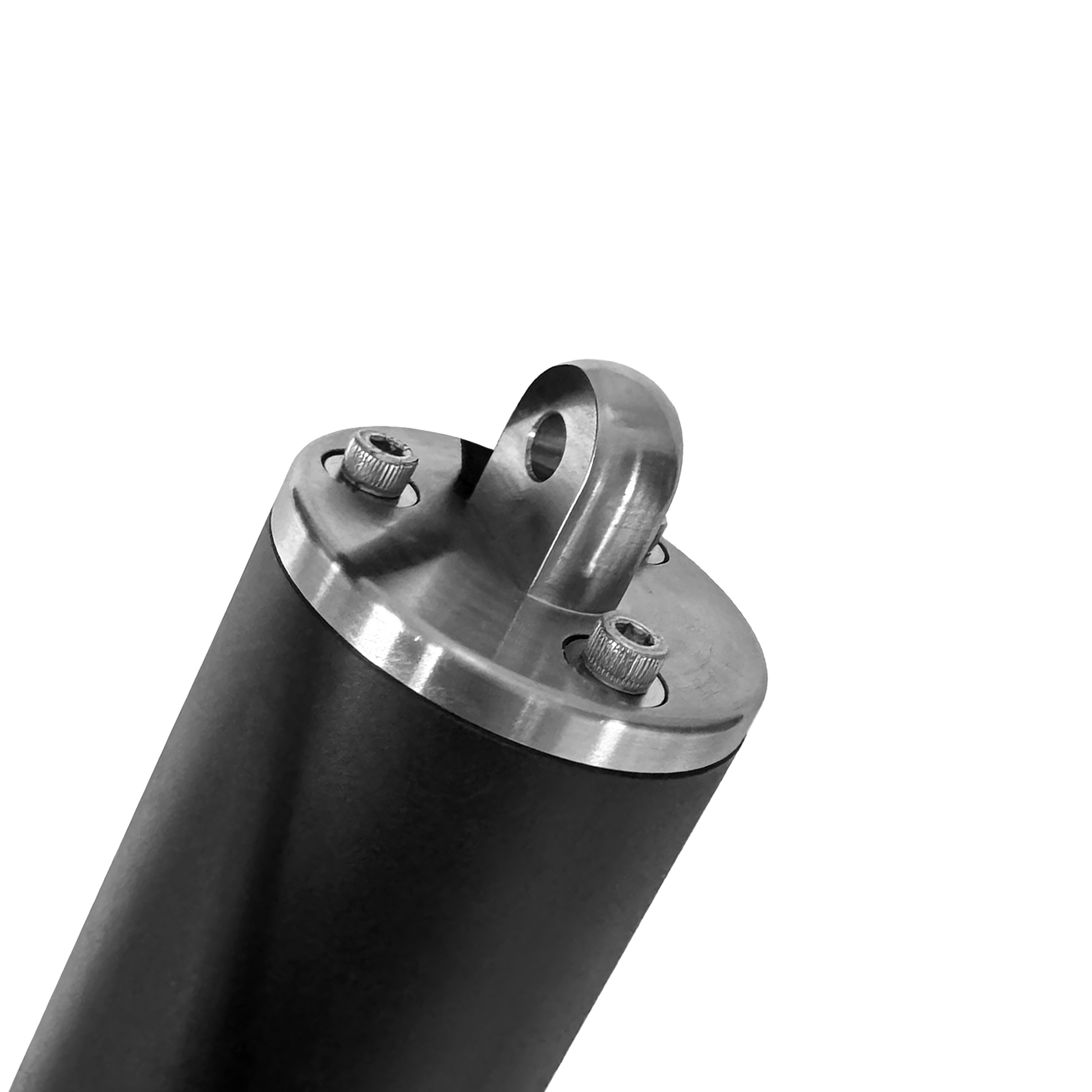
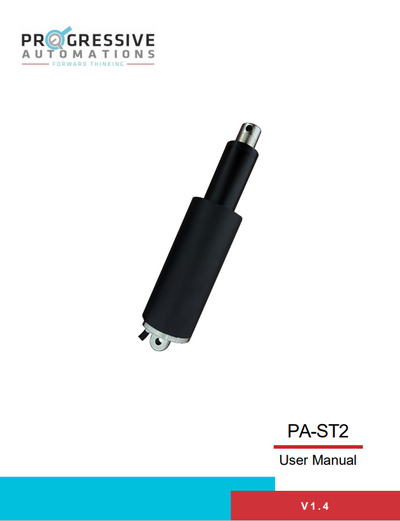
PA-ST2
PA-ST2
Voordelen
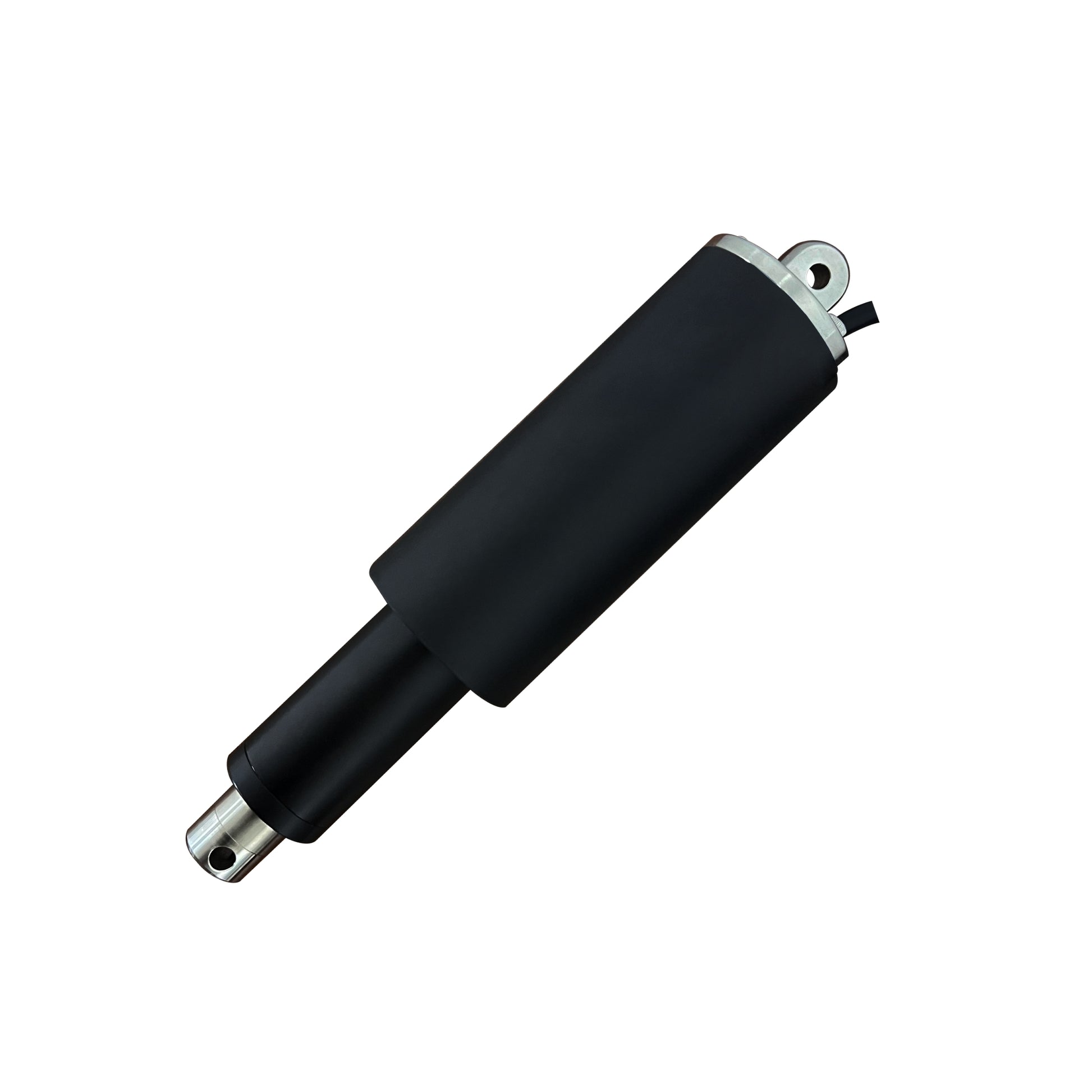
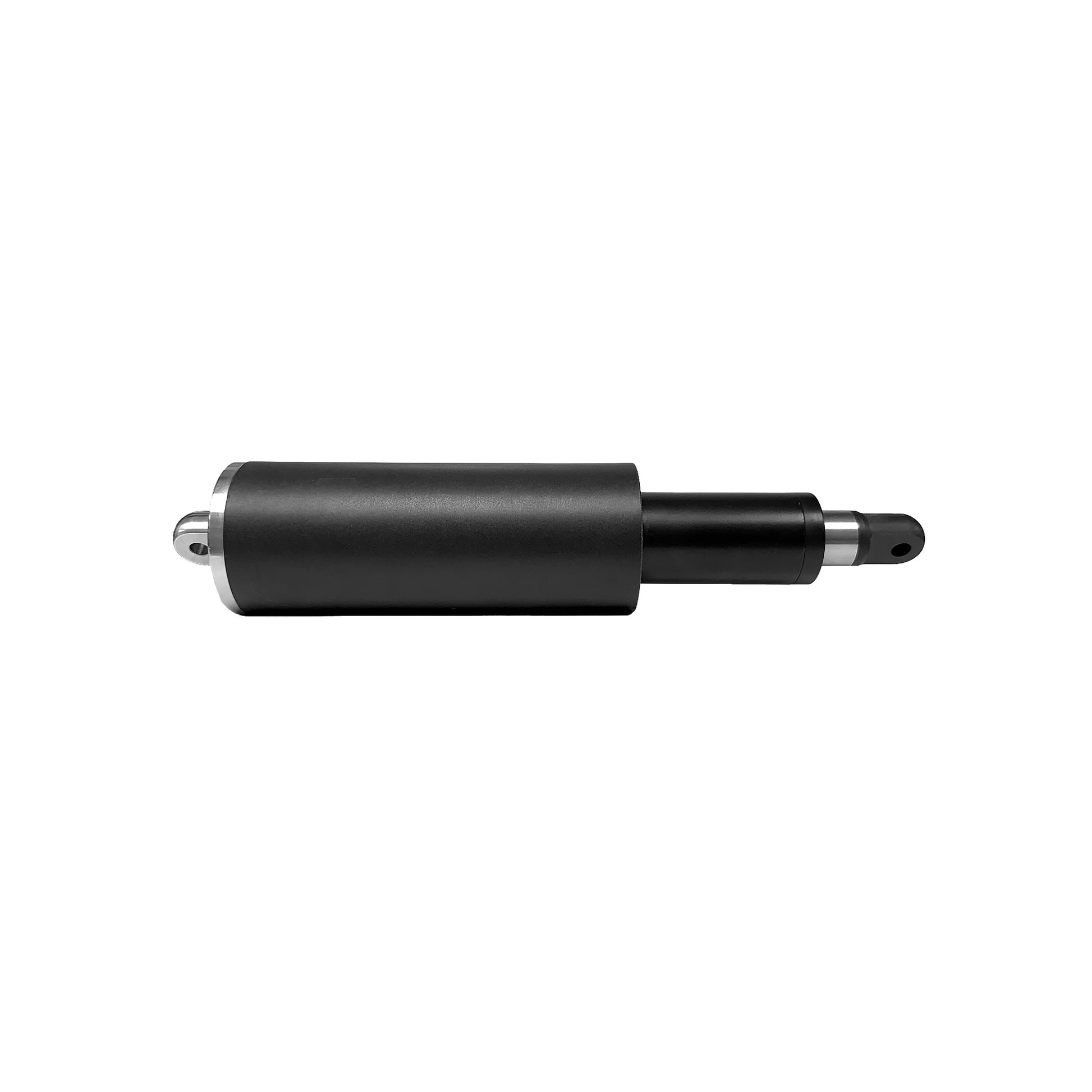
- Duurzame constructie met 316L roestvrij staal en een aluminium behuizing voor betrouwbare prestaties onder alle omstandigheden.
- De PA-ST2 heeft een IP67M-classificatie en biedt uitzonderlijke bescherming tegen stof en water, waardoor hij ideaal is voor buiten- en maritieme toepassingen.
- De PA-ST2 heeft een krachtige geborstelde DC-motor, ontworpen met een inschakelduur van 10% voor optimale werking binnen de aangegeven tijdsintervallen.
- Deze optie biedt een praktische, efficiënte en betaalbare upgradeoplossing voor uw huidige installatie zonder dat extra aanpassingen nodig zijn.
Kenmerken
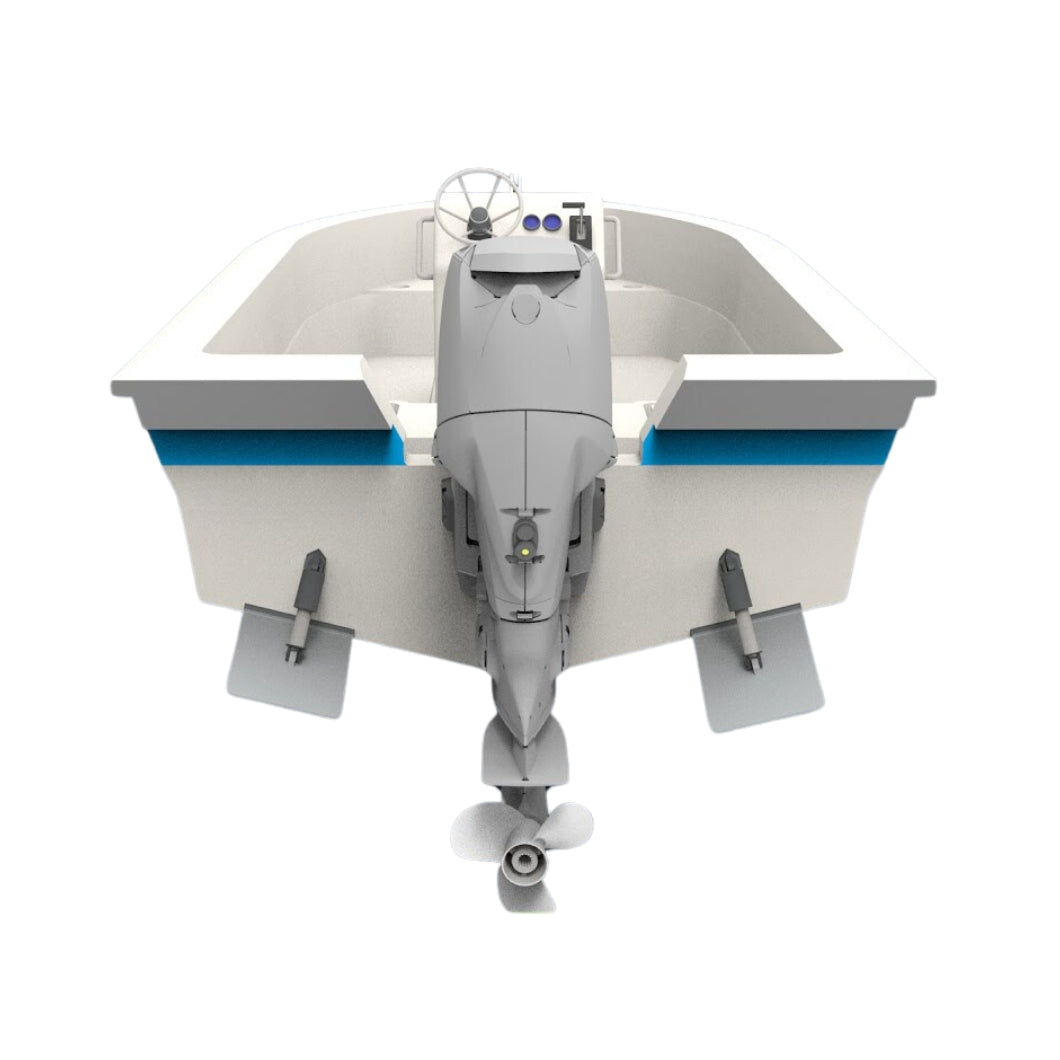
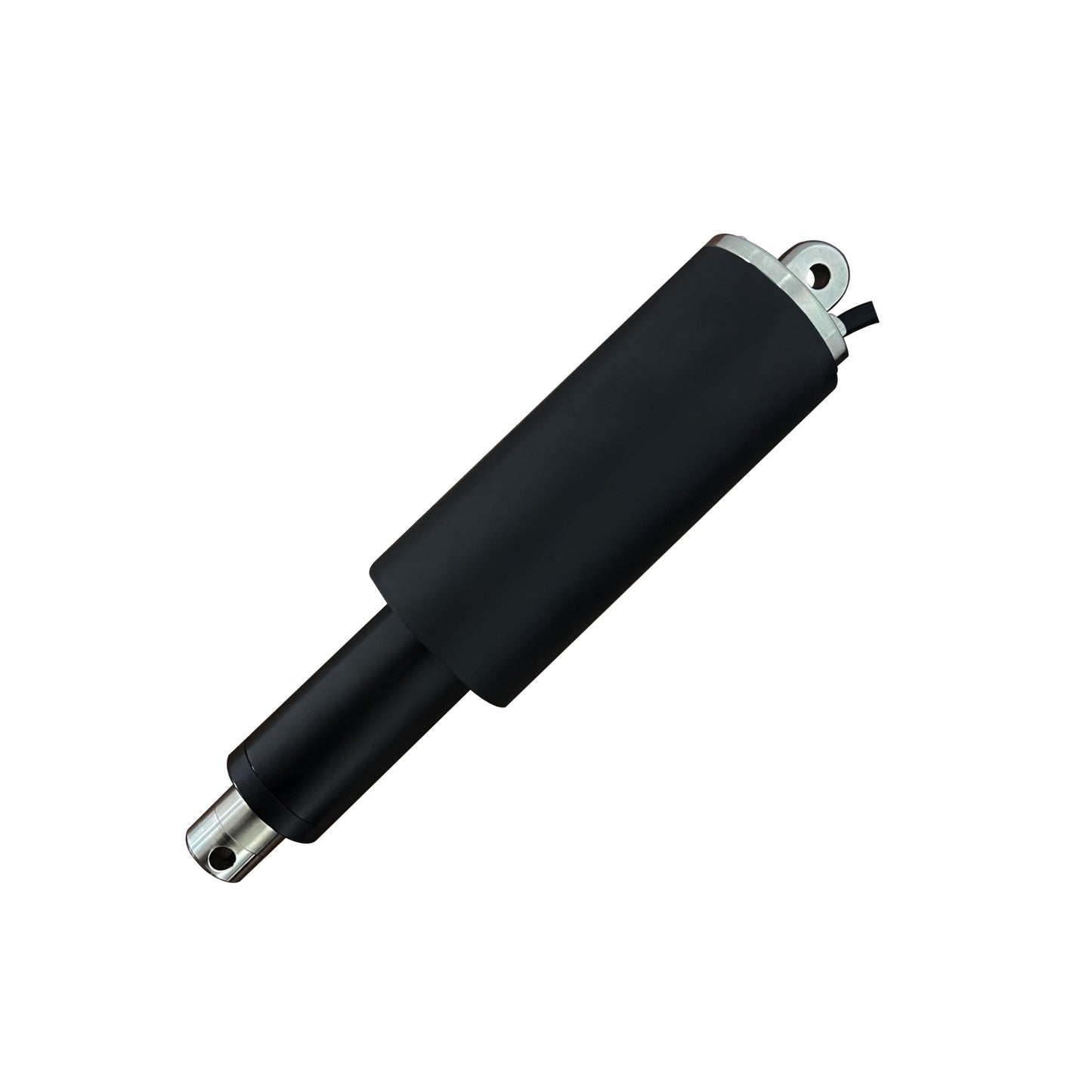
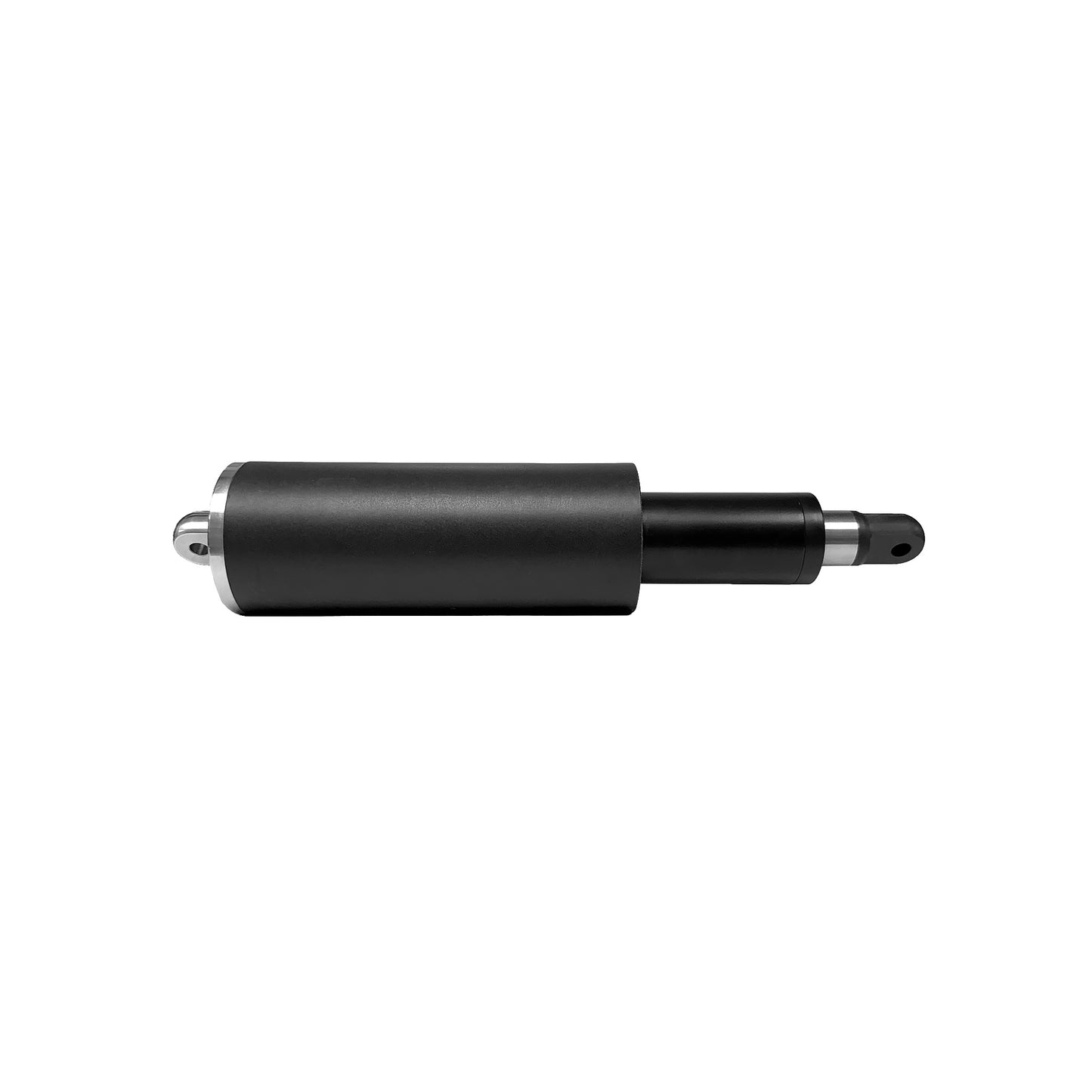
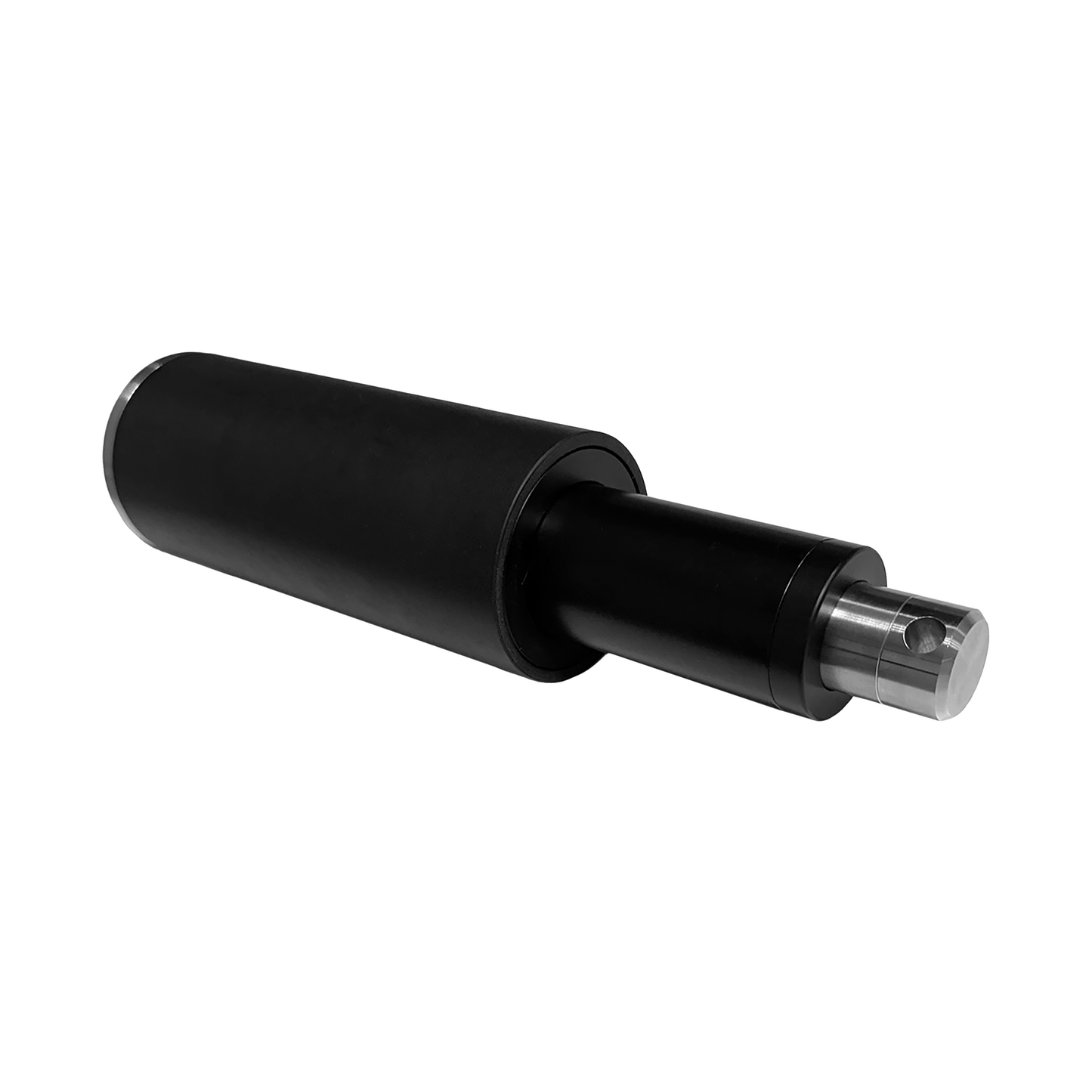
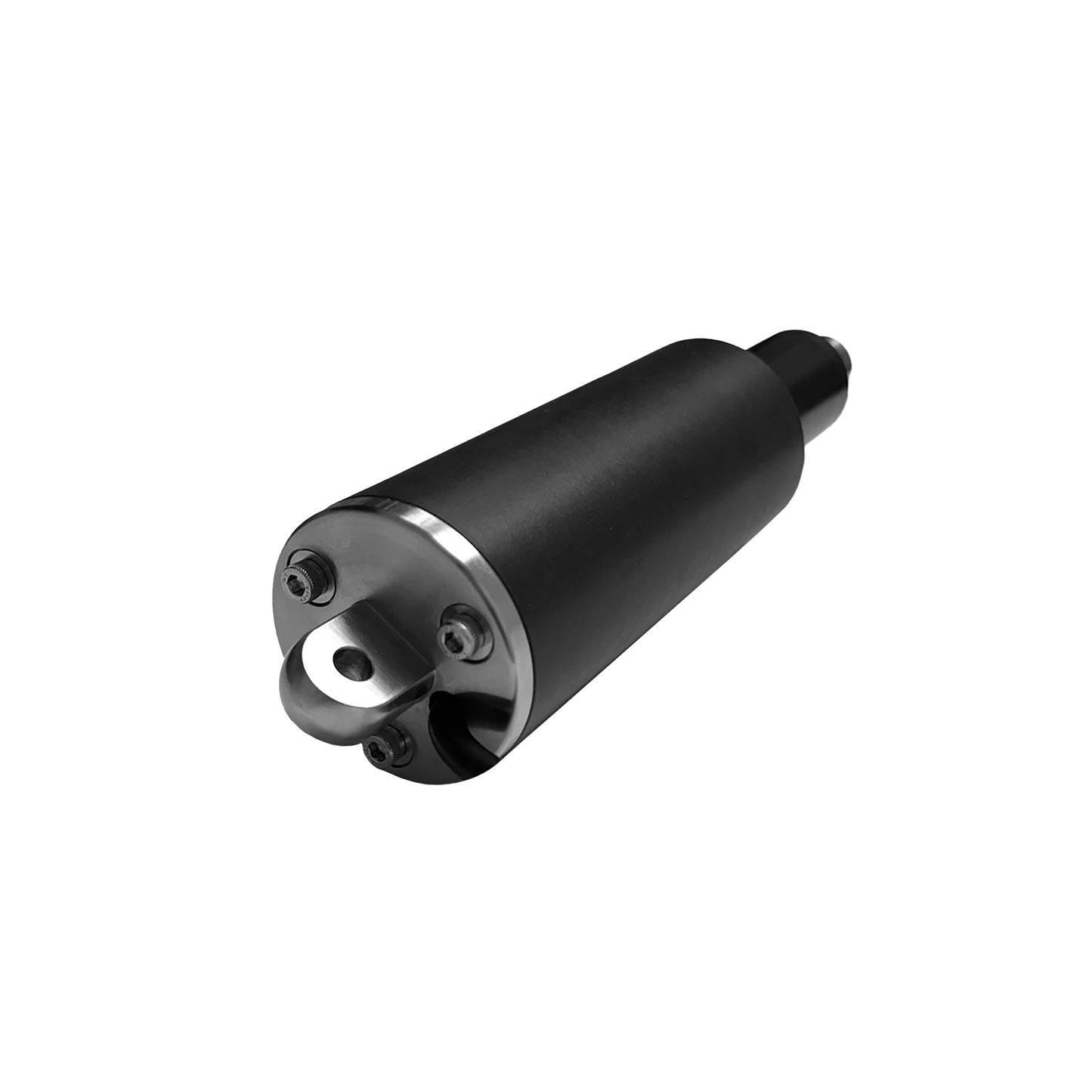
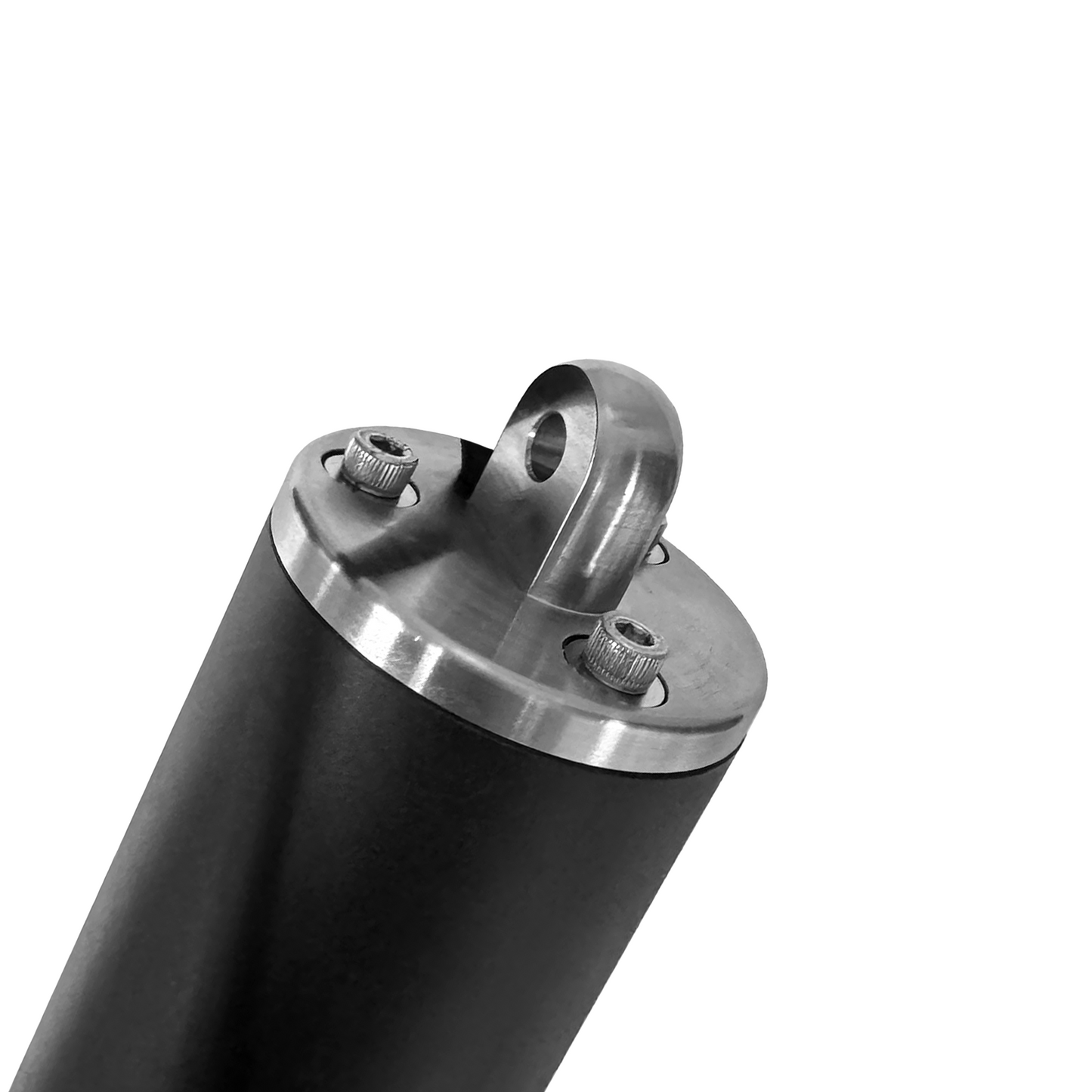
- De PA-ST2 is een hoogwaardige, betrouwbare vervanging voor LENCO trimtab-actuatoren. Dankzij de naadloze integratie en het ontbreken van ontwerpwijzigingen is overstappen nog nooit zo eenvoudig geweest. Vereenvoudig uw systeem en verbeter de efficiëntie met de PA-ST2.
- De beweging van de actuator wordt nauwkeurig geregeld met ingebouwde, niet-verstelbare eindschakelaars voor optimale veiligheid en betrouwbaarheid.
-
Mechanische slijtage: Veel maritieme actuatoren zijn na verloop van tijd vatbaar voor mechanische achteruitgang. De PA-ST2-actuator pakt dit aan met een robuuste constructie, ontworpen voor een lange levensduur.
-
Elektrische problemen: Problemen met elektrische verbindingen, die bij veel actuatoren voorkomen, worden bij de PA-ST2 verminderd door hoogwaardige, corrosiebestendige verbindingen.
-
Corrosie: De PA-ST2-actuator is ontworpen om corrosie te weerstaan, waardoor functionaliteit in zeewater en andere zware omgevingen gewaarborgd blijft.
-
Waterindringing en afdichtingsfalen: Geavanceerde afdichtingen in de PA-ST2-actuator bieden sterke bescherming tegen waterindringing, verminderen het risico op corrosie en verlengen de levensduur van de actuator.
Belangrijkste voordelen en kenmerken van de PA-ST2
- Exacte vervanging: Ontworpen als een directe drop-in vervanging voor trim tab LENCO-aktuatoren, wat naadloze integratie mogelijk maakt zonder dat ontwerpwijzigingen nodig zijn.
- Duurzame constructie: Gemaakt van duurzame materialen, waaronder een 316L roestvrijstalen slagstang en een aluminium behuizing, waardoor betrouwbare prestaties zelfs onder zware omstandigheden worden gegarandeerd.
- Weerbestendigheid: Geclassificeerd als IP67M, wat uitstekende bescherming tegen stof en water biedt en het geschikt maakt voor gebruik buitenshuis en in maritieme omgevingen.
- Operationele efficiëntie: Voorzien van een geborstelde gelijkstroommotor met een 10% arbeidscyclus, wat efficiënt gebruik binnen gespecificeerde tijdsintervallen mogelijk maakt.
- Geïntegreerde eindschakelaars: Ingebouwde, niet-verstelbare eindschakelaars zorgen voor nauwkeurige controle van de beweging van de actuator, waardoor de veiligheid en betrouwbaarheid toenemen.
- Kosteneffectief: Biedt een eenvoudige en economische upgrade-optie voor uw huidige opstelling, zonder dat aanvullende aanpassingen nodig zijn.
-
Mechanische slijtage: Veel maritieme actuatoren zijn na verloop van tijd vatbaar voor mechanische achteruitgang. De PA-ST2-actuator pakt dit aan met een robuuste constructie, ontworpen voor een lange levensduur.
-
Elektrische problemen: Problemen met elektrische verbindingen, die bij veel actuatoren voorkomen, worden bij de PA-ST2 verminderd door hoogwaardige, corrosiebestendige verbindingen.
-
Corrosie: De PA-ST2-actuator is ontworpen om corrosie te weerstaan, waardoor functionaliteit in zeewater en andere zware omgevingen gewaarborgd blijft.
-
Waterindringing en afdichtingsfalen: Geavanceerde afdichtingen in de PA-ST2-actuator bieden sterke bescherming tegen waterindringing, verminderen het risico op corrosie en verlengen de levensduur van de actuator.
Belangrijkste voordelen en kenmerken van de PA-ST2
- Exacte vervanging: Ontworpen als een directe drop-in vervanging voor trim tab LENCO-aktuatoren, wat naadloze integratie mogelijk maakt zonder dat ontwerpwijzigingen nodig zijn.
- Duurzame constructie: Gemaakt van duurzame materialen, waaronder een 316L roestvrijstalen slagstang en een aluminium behuizing, waardoor betrouwbare prestaties zelfs onder zware omstandigheden worden gegarandeerd.
- Weerbestendigheid: Geclassificeerd als IP67M, wat uitstekende bescherming tegen stof en water biedt en het geschikt maakt voor gebruik buitenshuis en in maritieme omgevingen.
- Operationele efficiëntie: Voorzien van een geborstelde gelijkstroommotor met een 10% arbeidscyclus, wat efficiënt gebruik binnen gespecificeerde tijdsintervallen mogelijk maakt.
- Geïntegreerde eindschakelaars: Ingebouwde, niet-verstelbare eindschakelaars zorgen voor nauwkeurige controle van de beweging van de actuator, waardoor de veiligheid en betrouwbaarheid toenemen.
- Kosteneffectief: Biedt een eenvoudige en economische upgrade-optie voor uw huidige opstelling, zonder dat aanvullende aanpassingen nodig zijn.
Het volgen van een reeks normen is cruciaal voor bedrijven om ervoor te zorgen dat hun producten en diensten een kwaliteitsniveau behalen dat klanttevredenheid bevordert. Bij Progressive Automations gaan we voor niets minder dan het beste voor onze klanten en streven we naar voortdurende verbeteringen. Daarom zijn we verheugd aan te kondigen dat Progressive Automations nu ISO 9001:2015‑gecertificeerd is!
Kwaliteit waarop u kunt vertrouwen – Meer informatieGegevensbladen
PA-ST2 Datasheet
Afhankelijk van uw toepassing zijn er verschillende specificatievereisten waarmee u rekening moet houden bij het bepalen van de lineaire actuator je hebt nodig. Deze vereisten omvatten kracht, slag, snelheid en montageafmetingen. Voor gedetailleerde actuatorinformatie kunt u het gegevensblad of de specificatietabel op de productpagina van de geselecteerde actuator raadplegen. Je kunt ook Neem contact met ons op om met een van onze deskundige ingenieurs te spreken.
Inschakelduur is het deel van de werkperiode waarin een lineaire actuator actief kan blijven. U kunt de inschakelduur van een lineaire actuator berekenen met de volgende vergelijking: Inschakelduur (%) = (tijd dat de lineaire actuator actief is) / (tijd voor één werkperiode)
Voorbeeld: bij een inschakelduur van 25% kan een actuator 5 minuten continu draaien en moet hij vervolgens 15 minuten rusten voordat hij weer kan werken.
Slaglengte is de afgelegde afstand van de uitschuivende stang. Om de benodigde slaglengte te bepalen, meet u uw toepassing van de volledig ingetrokken positie tot de volledig uitgeschoven positie. Het verschil is de slaglengte die u nodig hebt.
We raden altijd aan een actuator te kopen met een hogere krachtklasse dan uw toepassing vereist. Als u niet zeker bent van uw krachtvereisten, kan dit artikel u helpen dit te berekenen: Kracht berekenen om de juiste lineaire actuator te vinden
Ja, dat is mogelijk. Dit hangt echter wel af van de units die u momenteel gebruikt. Om actuatoren te synchroniseren is een vorm van terugkoppeling nodig, zoals een potentiometer of Hall‑effectsensoren. Voor meer informatie vindt u hieronder enkele van onze belangrijkste artikelen over het synchroniseren van lineaire actuatoren.
De besturingskast die u kiest, moet voldoende spanning en stroom aan uw actuator kunnen leveren. Als u niet zeker bent van de specificaties, neem dan contact met ons op.
U kunt ook compatibele besturingskasten vinden op de productpagina van de door u geselecteerde lineaire actuator.
Backdriving is wanneer een actuator onder belasting naar beneden begint te glijden, wanneer deze overbelast is of wanneer de actuator beschadigd is. Bekijk de video.
Wat betekenen dynamische en statische draagvermogens?Dynamische belastingswaarde is de hoeveelheid gewicht die een actuator veilig kan trekken of duwen wanneer deze wordt aangedreven. Statisch draaggetal is de hoeveelheid gewicht die de actuator kan dragen of weerstaan zonder achteruit te rijden wanneer deze niet van stroom wordt voorzien. Stel dat u bijvoorbeeld een actuator op een raam hebt geïnstalleerd en de statische belasting van de actuator 100 pond is, dan kan er teruggestuurd worden wanneer er veel wind is, wat betekent dat er meer druk op de actuator wordt uitgeoefend, wat betekent dat er meer druk op de actuator wordt uitgeoefend die de belasting van 100 pond van de actuator zou overschrijden.
Wat is zijwaartse belasting?Laterale belasting is wanneer de actuator krachten ondervindt vanuit het zijvlak. Actuatoren zijn helemaal niet bedoeld om zijdelingse krachten op te vangen, dus als ze zijdelingse krachten ervaren, zal dit waarschijnlijk de actuator beschadigen of de stang buigen. Het is dus aan te raden om nooit zijdelingse krachten te gebruiken en er altijd voor te zorgen dat de actuator volledig in lijn is met of synchroon is met uw toepassing, zodat deze geen andere belasting dan de axiale belasting aanneemt. Bekijk de video.