


Sterownik 12/24 VDC – 2 kanały – 25/12,5 A – sterowanie równoległe – pilot bezprzewodowy
Sterownik 12/24 VDC – 2 kanały – 25/12,5 A – sterowanie równoległe – pilot bezprzewodowy
Model: CBK-PA-CB30-2-P
Nie udało się załadować dostępności odbioru


Sterownik PA‑CB30 w parze z RT-40 pilotem zdalnego sterowania do siłowników liniowych oferuje wyjścia dwukanałowe do równoległego sterowania dwoma siłownikami oraz możliwość sparowania do 4 pilotów. Korzystając z dołączonego pilota RF, użytkownicy mają dostęp do funkcji takich jak góra, dół, tryby programowania i stop z zasięgu 100 ft (30,48 m) w otwartej przestrzeni. Sterownik ma automatyczny tryb oszczędzania energii (4 mA przy 12 VDC) z natychmiastowym wybudzaniem, wybór trybu pracy pilotem bezprzewodowym, tryb płynnego ruchu, sterowanie chwilowe i podtrzymane oraz wskaźnik LED.
Zabezpieczenia obejmują ochronę przed napięciem wejściowym poza zakresem, przeciążeniem, zwarciem oraz odwrotną polaryzacją. Odpowiednie wiązki przewodów ze złączami Molex są sprzedawane osobno i służą do podłączenia siłownika liniowego do sterownika PA‑CB30. Ten sterownik akceptuje napięcie wejściowe 10–26 VDC na przewodach zasilania i jest przystosowany na kanał do dostarczenia prądu wyjściowego 12,5 A przy 12 VDC lub 6,25 A przy 24 VDC. Prosimy zobaczyć kartę katalogową PA‑CB30, aby uzyskać informacje o sterowaniu, okablowaniu i rozwiązywaniu problemów.
Ważne: Ten sterownik nie zawiera wiązki przewodów. Upewnij się, jakie są wymagania Twojego zestawu — wiązkę może być konieczne kupić osobno.
Opcje niestandardowe
Szukasz siłownika, ale specyfikacje nie do końca odpowiadają Twoim wymaganiom? Mamy rozbudowaną listę możliwości dostosowania, dzięki którym otrzymasz dokładnie to, czego potrzebujesz do swojego projektu. Pobierz kartę katalogową tego produktu i dowiedz się więcej o dostępnych opcjach dostosowania!
Sterownik PA‑CB30 w parze z RT-40 pilotem zdalnego sterowania do siłowników liniowych oferuje wyjścia dwukanałowe do równoległego sterowania dwoma siłownikami oraz możliwość sparowania do 4 pilotów. Korzystając z dołączonego pilota RF, użytkownicy mają dostęp do funkcji takich jak góra, dół, tryby programowania i stop z zasięgu 100 ft (30,48 m) w otwartej przestrzeni. Sterownik ma automatyczny tryb oszczędzania energii (4 mA przy 12 VDC) z natychmiastowym wybudzaniem, wybór trybu pracy pilotem bezprzewodowym, tryb płynnego ruchu, sterowanie chwilowe i podtrzymane oraz wskaźnik LED.
Zabezpieczenia obejmują ochronę przed napięciem wejściowym poza zakresem, przeciążeniem, zwarciem oraz odwrotną polaryzacją. Odpowiednie wiązki przewodów ze złączami Molex są sprzedawane osobno i służą do podłączenia siłownika liniowego do sterownika PA‑CB30. Ten sterownik akceptuje napięcie wejściowe 10–26 VDC na przewodach zasilania i jest przystosowany na kanał do dostarczenia prądu wyjściowego 12,5 A przy 12 VDC lub 6,25 A przy 24 VDC. Prosimy zobaczyć kartę katalogową PA‑CB30, aby uzyskać informacje o sterowaniu, okablowaniu i rozwiązywaniu problemów.
Ważne: Ten sterownik nie zawiera wiązki przewodów. Upewnij się, jakie są wymagania Twojego zestawu — wiązkę może być konieczne kupić osobno.
Opcje niestandardowe
Szukasz siłownika, ale specyfikacje nie do końca odpowiadają Twoim wymaganiom? Mamy rozbudowaną listę możliwości dostosowania, dzięki którym otrzymasz dokładnie to, czego potrzebujesz do swojego projektu. Pobierz kartę katalogową tego produktu i dowiedz się więcej o dostępnych opcjach dostosowania!
Przestrzeganie określonych standardów jest kluczowe dla firm, aby zapewnić, że ich produkty i usługi osiągają poziom jakości sprzyjający zadowoleniu klientów. W Progressive Automations dążymy do oferowania naszym klientom wyłącznie tego, co najlepsze i nieustannie dążymy do ulepszeń. Z tego powodu z radością ogłaszamy, że Progressive Automations uzyskało certyfikat ISO 9001:2015!
Jakość, której możesz zaufać – dowiedz się więcejArkusze danych
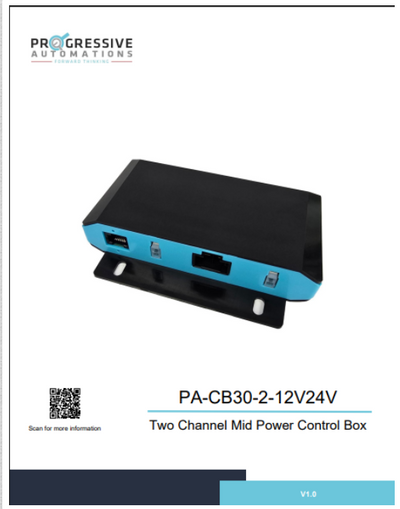
Karta danych PA-CB30-2-12V24V

Jak zautomatyzować swoją klapę w podłodze
Klapą jest przesuwne lub zawiasowe drzwi, zlicowane z powierzchnią podłogi, dachu lub sufitu, a t...

Przewodnik po zasilaczach i skrzynkach sterujących
Wybór odpowiedniego zasilacza i skrzynki sterującej do siłowników liniowych jest kluczowy, aby za...

Przedstawiamy bezprzewodowy, dwukanałowy sterownik PA-CB30
Postęp w technologii siłowników i systemów automatyki stworzył rosnącą potrzebę rozwiązań sterowa...

Przedstawiamy skrzynki sterujące do siłowników PA-CB31 i PA-CB40
Z radością ogłaszamy premierę dwóch nowych elementów naszej rosnącej gamy skrzynek sterujących do...

Sponsoring: raport z postępów Phantom BBQ (Dr. Decks)
Dr. Decks od dawna jest jednym z naszych najbardziej cenionych klientów i w przeszłości współprac...
W zależności od zastosowania istnieją różne wymagania dotyczące specyfikacji, które należy uwzględnić przy określaniu siłownik liniowy jakiego napędu potrzebujesz. Wymagania te obejmują siłę, skok, prędkość i wymiary montażowe. Aby uzyskać szczegółowe informacje o siłowniku, możesz odwołać się do karty technicznej lub tabeli specyfikacji znajdującej się na stronie produktu wybranego siłownika. Możesz również skontaktuj się z nami porozmawiać z jednym z naszych doświadczonych inżynierów.
Cykl pracy Jest to ułamek okresu pracy, w którym siłownik liniowy może pozostać aktywny. Współczynnik pracy siłownika liniowego można obliczyć, korzystając z następującego równania: Cykl pracy (%) = (Czas, w którym siłownik liniowy jest aktywny)/(czas na jeden okres pracy)
Na przykład: Przy 25% cyklu pracy siłownik może pracować nieprzerwanie przez 5 minut, zanim będzie musiał odpocząć przez 15 minut przed uruchomieniem.
Udar to odległość przemieszczenia wysuwanego pręta. Aby określić wymaganą długość skoku, zmierz w zastosowaniu od pozycji całkowicie wsuniętej do pozycji całkowicie wysuniętej. Różnica będzie równa wymaganej długości skoku.
Zawsze zalecamy zakup siłownika o wyższej wartości siły niż wymaga tego zastosowanie. Jeśli nie masz pewności co do potrzebnej siły, ten artykuł może pomóc Ci ją obliczyć: Jak obliczyć siłę, aby znaleźć odpowiedni siłownik liniowy
Tak, jest to możliwe. Jednak zależy to od jednostek, których aktualnie używasz. Aby zsynchronizować siłowniki, wymagają one formy sprzężenia zwrotnego, takiej jak potencjometr lub czujniki efektu Halla. Aby uzyskać więcej informacji, zobacz poniżej niektóre z naszych kluczowych treści dotyczących synchronizacji siłowników liniowych.
Wybrany skrzynka kontrolna przez ciebie powinien być w stanie zapewnić odpowiednie napięcie i prąd znamionowy dla twojego siłownika. Jeśli nie jesteś pewien specyfikacji, prosimy skontaktuj się z nami.
Alternatywnie można również znaleźć kompatybilne skrzynki sterujące na stronie produktu wybranego siłownika liniowego.
Backdriving to sytuacja, w której siłownik zaczyna się ześlizgiwać pod obciążeniem, gdy jest przeciążony lub gdy siłownik został uszkodzony. Obejrzyj wideo.
Co oznaczają obciążenia dynamiczne i statyczne?Dynamiczne obciążenie to ilość ciężaru, który siłownik może bezpiecznie ciągnąć lub pchać podczas pracy (gdy jest zasilany). Obciążenie statyczne to ilość ciężaru, którą siłownik może utrzymać lub wytrzymać bez backdrivingu, gdy nie jest zasilany. Na przykład, załóżmy, że masz siłownik zamontowany w oknie, a jego statyczna nośność wynosi 100 lb — podczas silnego wiatru może wystąpić backdriving, co oznacza, że na siłownik będzie działać większe ciśnienie, przekraczające jego nośność 100 lb.
Co to jest ładowanie boczne?Obciążenie boczne to sytuacja, gdy siłownik doświadcza sił działających w płaszczyźnie bocznej. Siłowniki nie są przeznaczone do przenoszenia sił bocznych, więc jeśli działają na nie takie siły, najprawdopodobniej uszkodzą siłownik lub wygią pręt. Dlatego zaleca się unikać sił bocznych i zawsze upewnić się, że siłownik jest w pełni wyrównany z aplikacją, tak aby nie przyjmował żadnego obciążenia poza obciążeniem osiowym. Obejrzyj wideo.