Wytrzymały siłownik liniowy ze sprzężeniem zwrotnym
Wytrzymały siłownik liniowy ze sprzężeniem zwrotnym
Model: PA-17-12-2000-POT
Nie można załadować dostępności odbioru
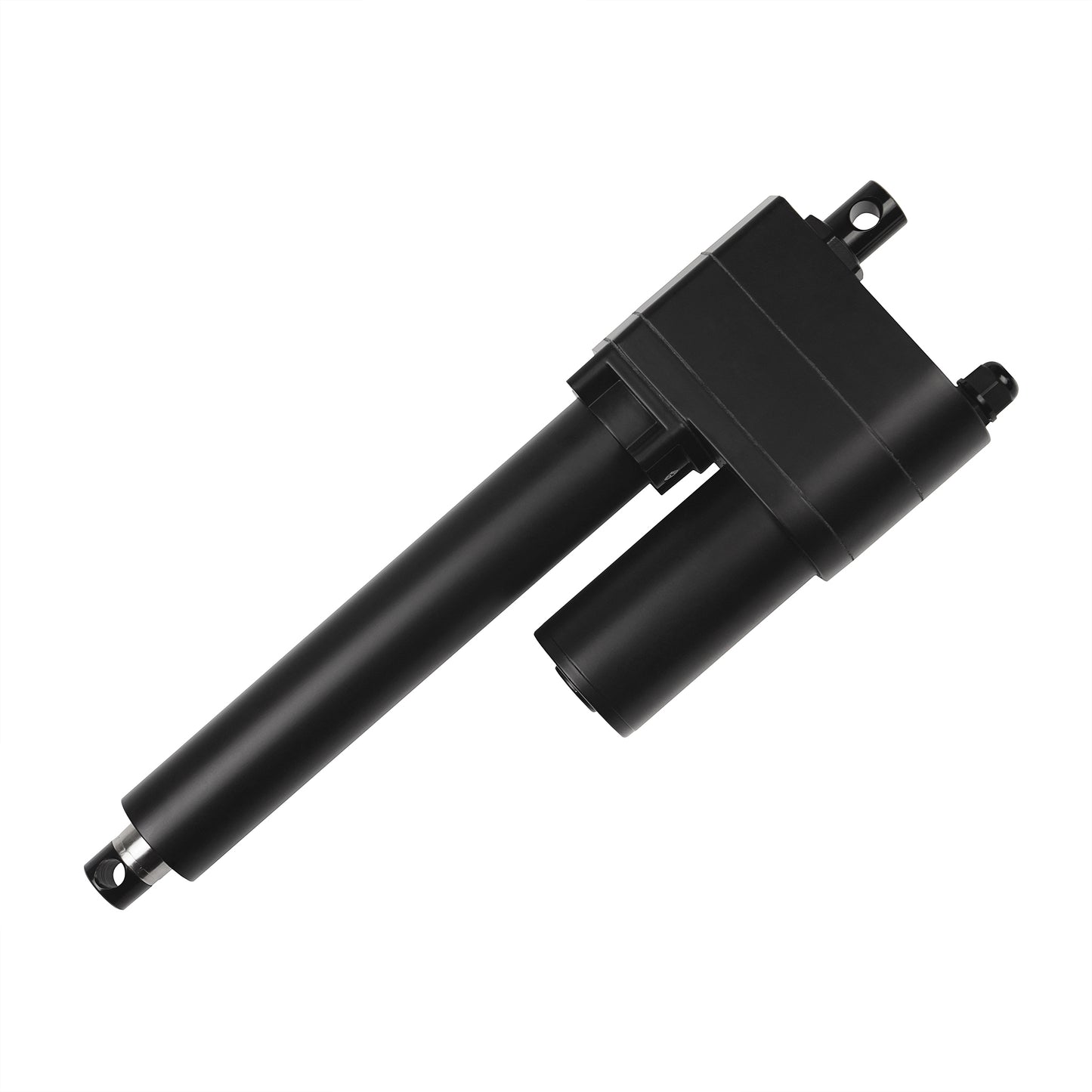
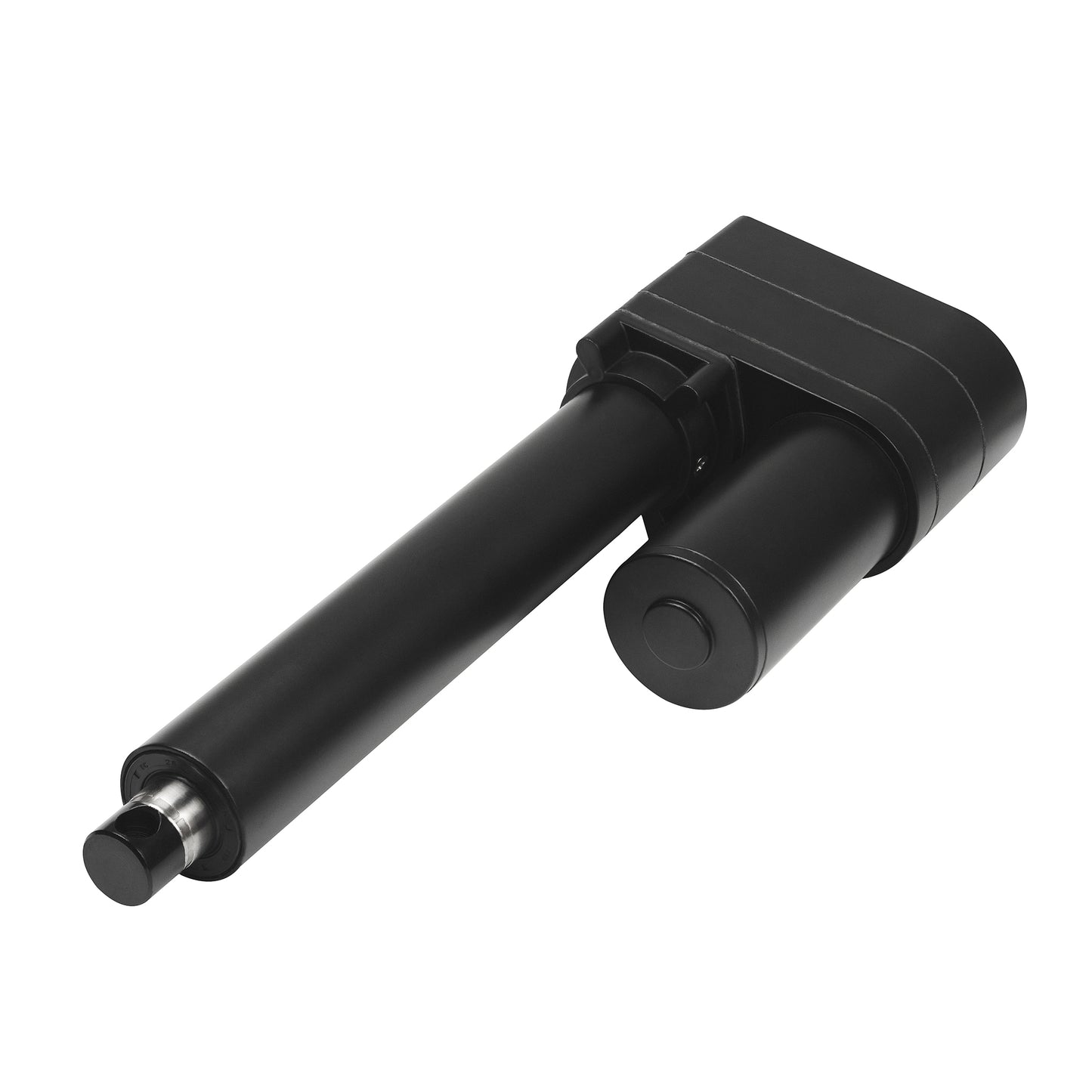
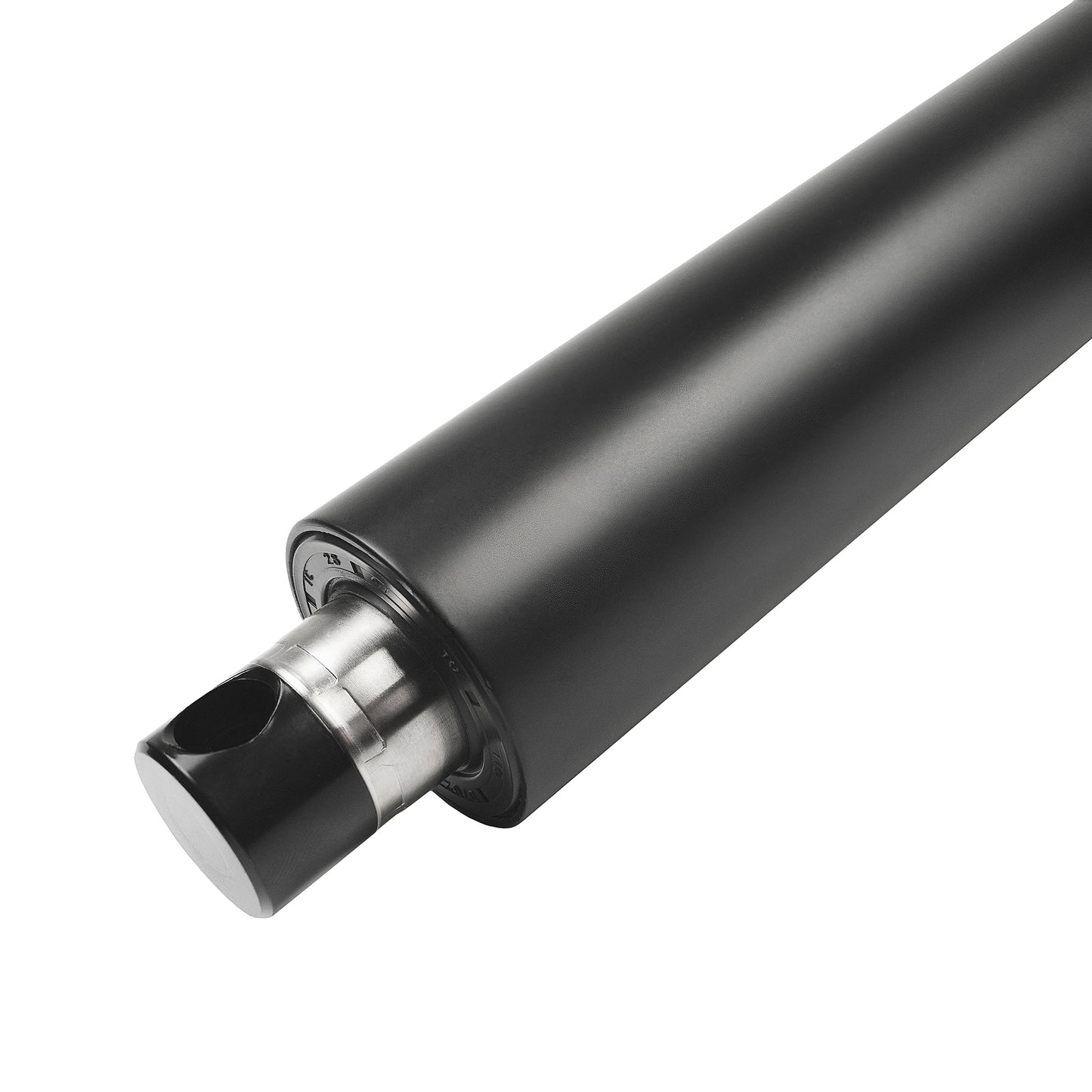
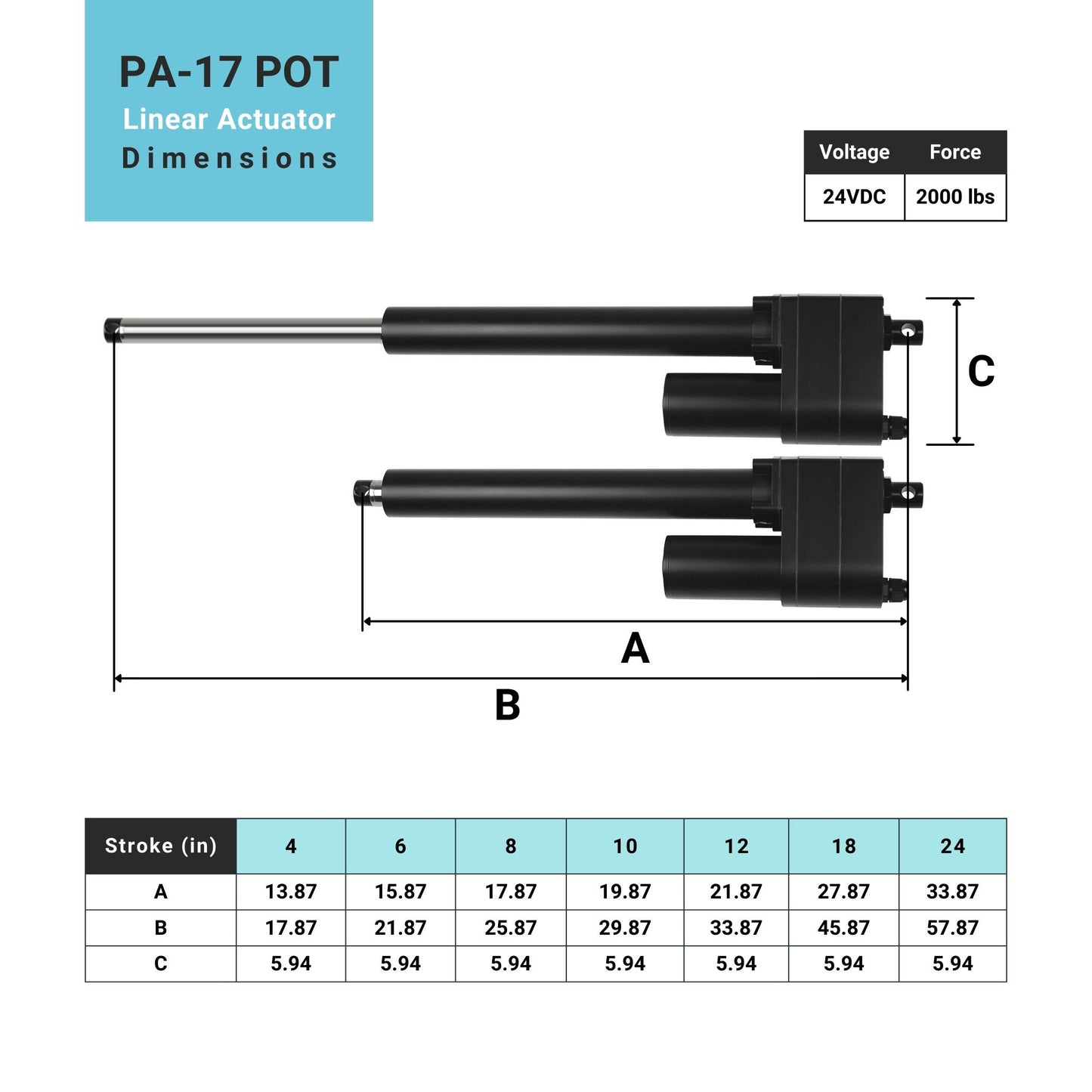
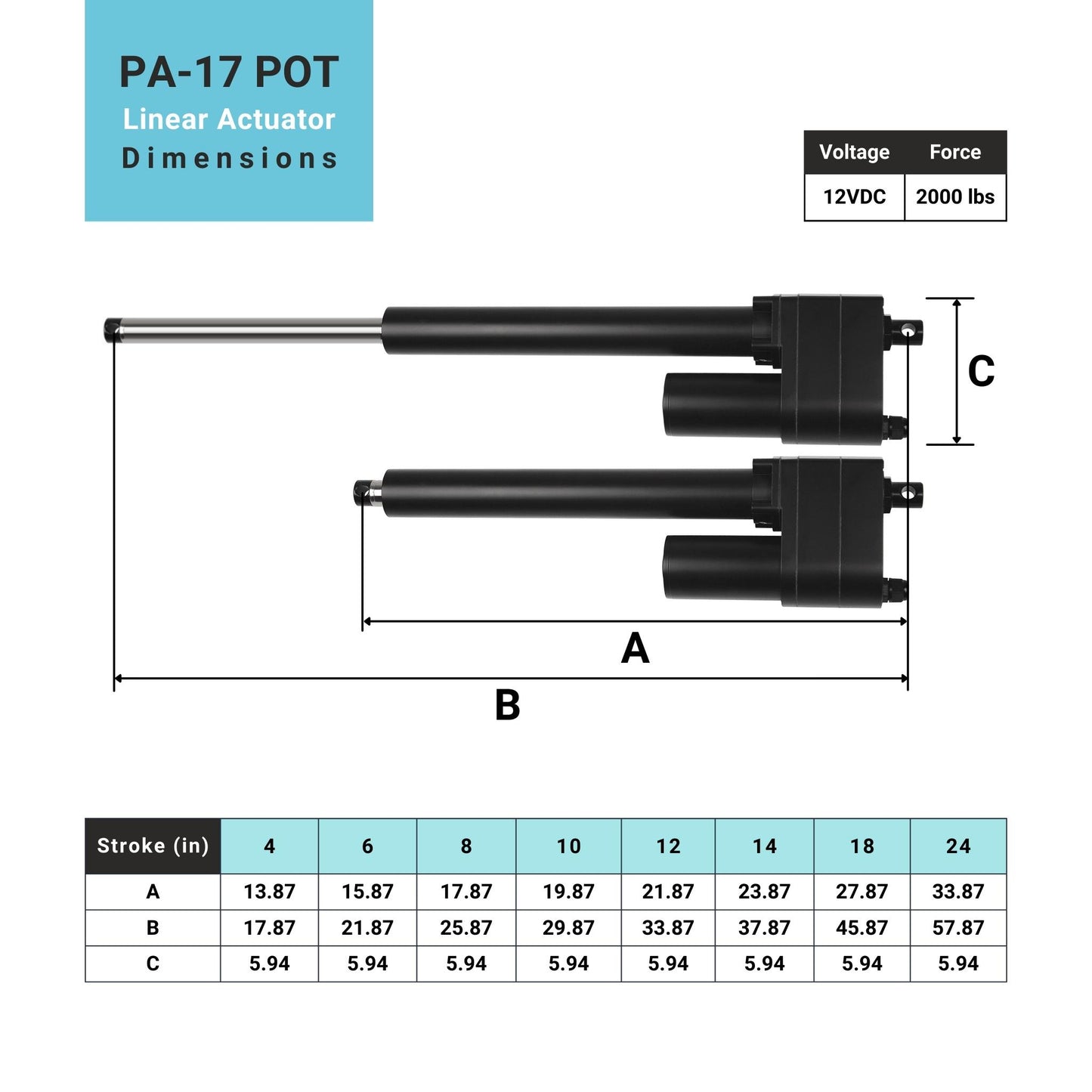
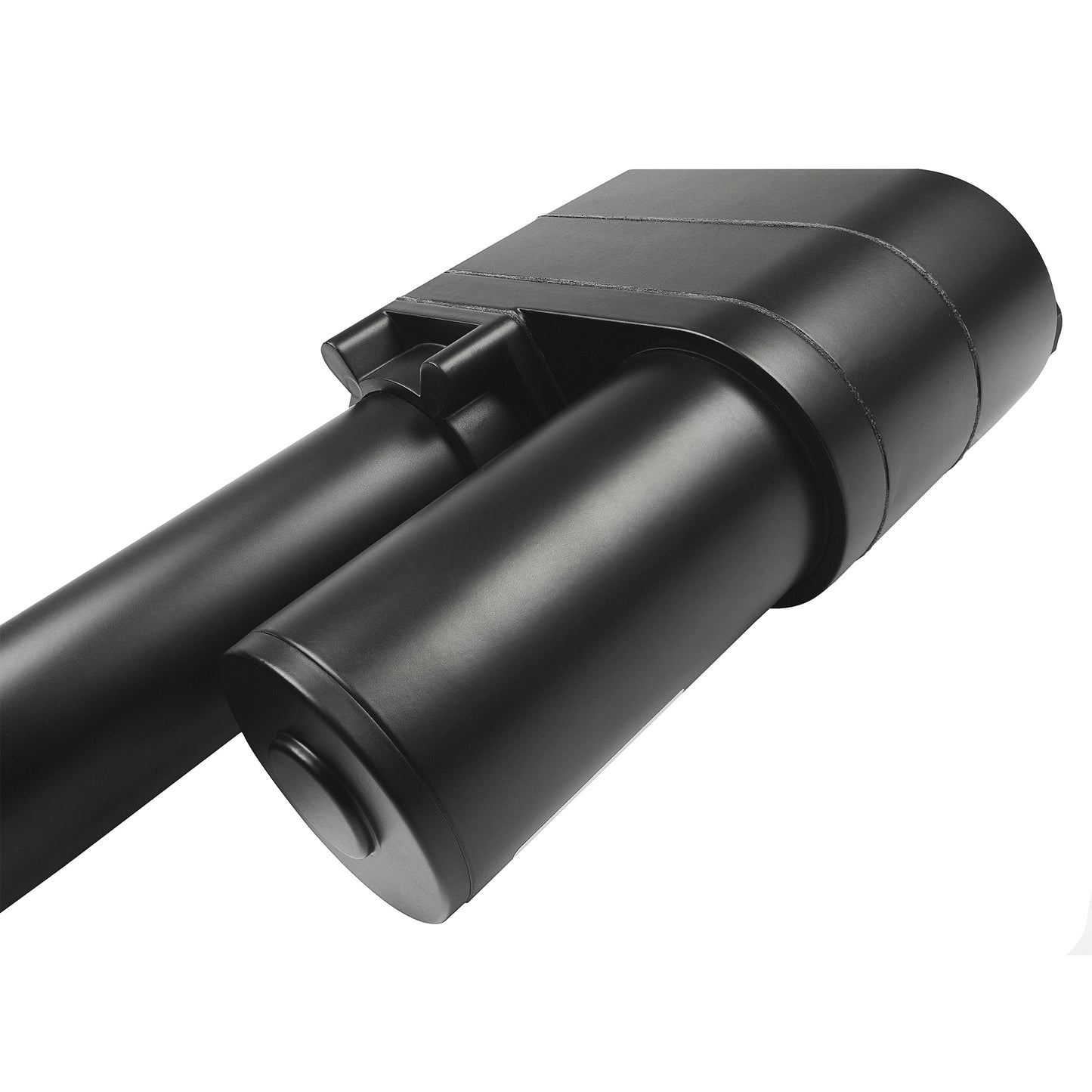
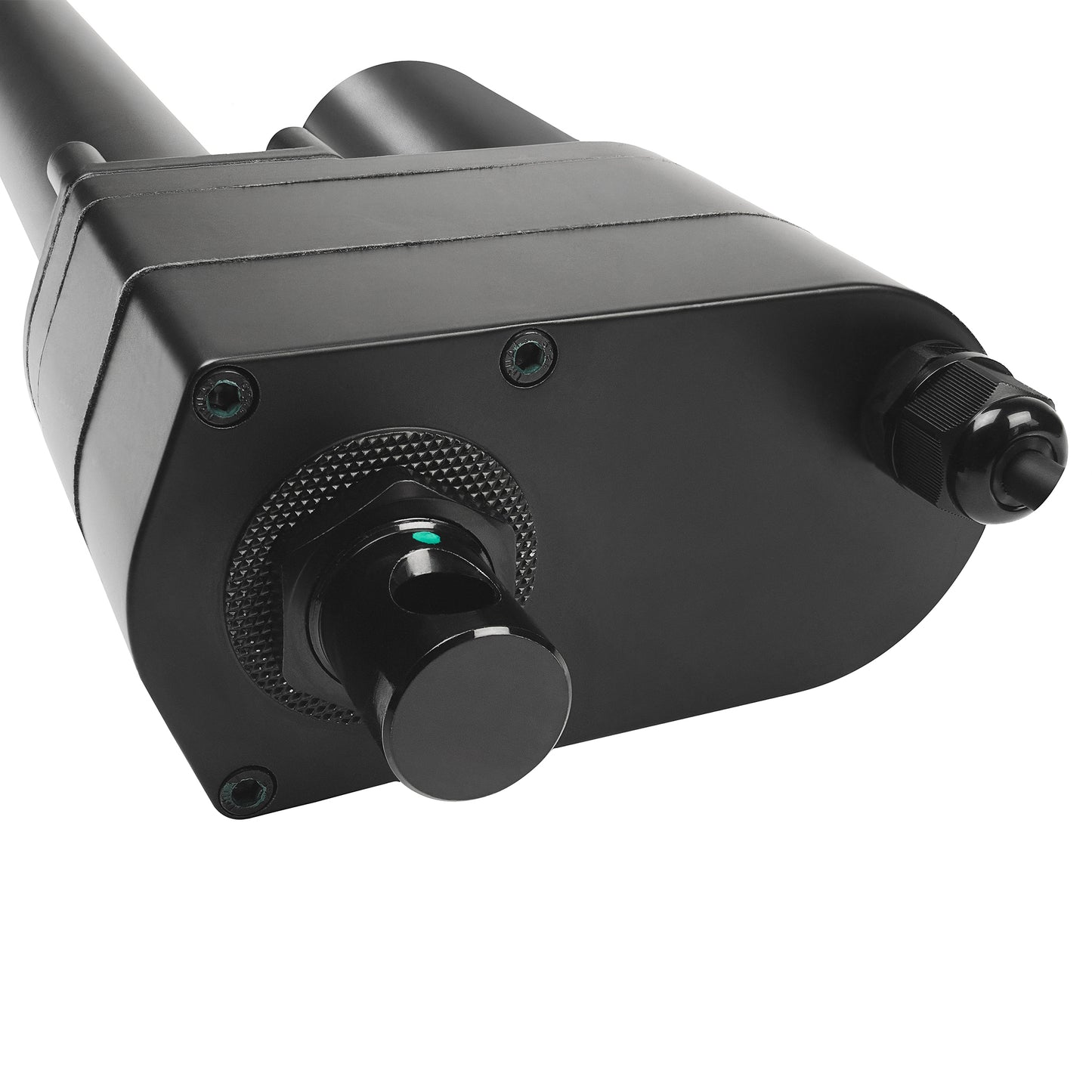
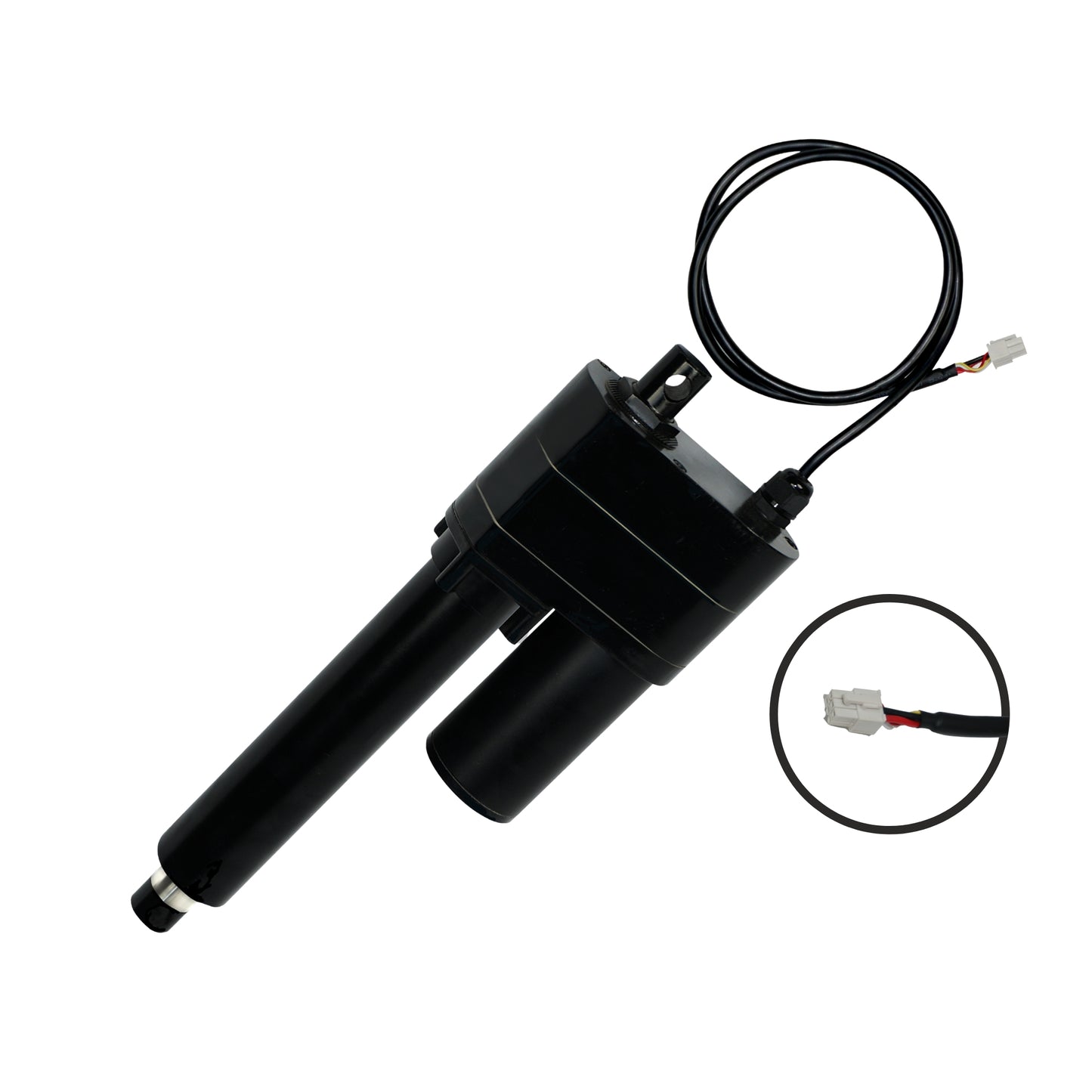
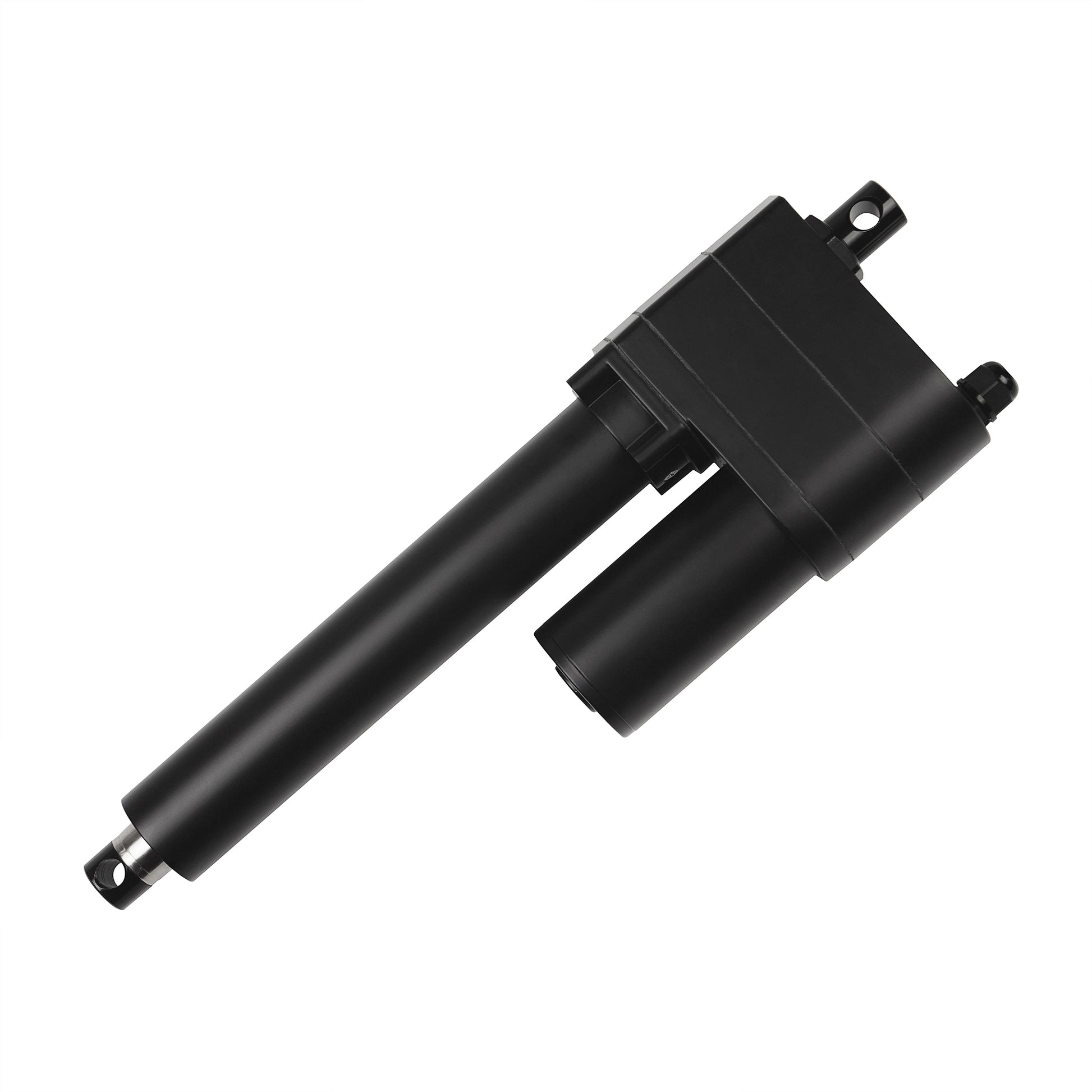
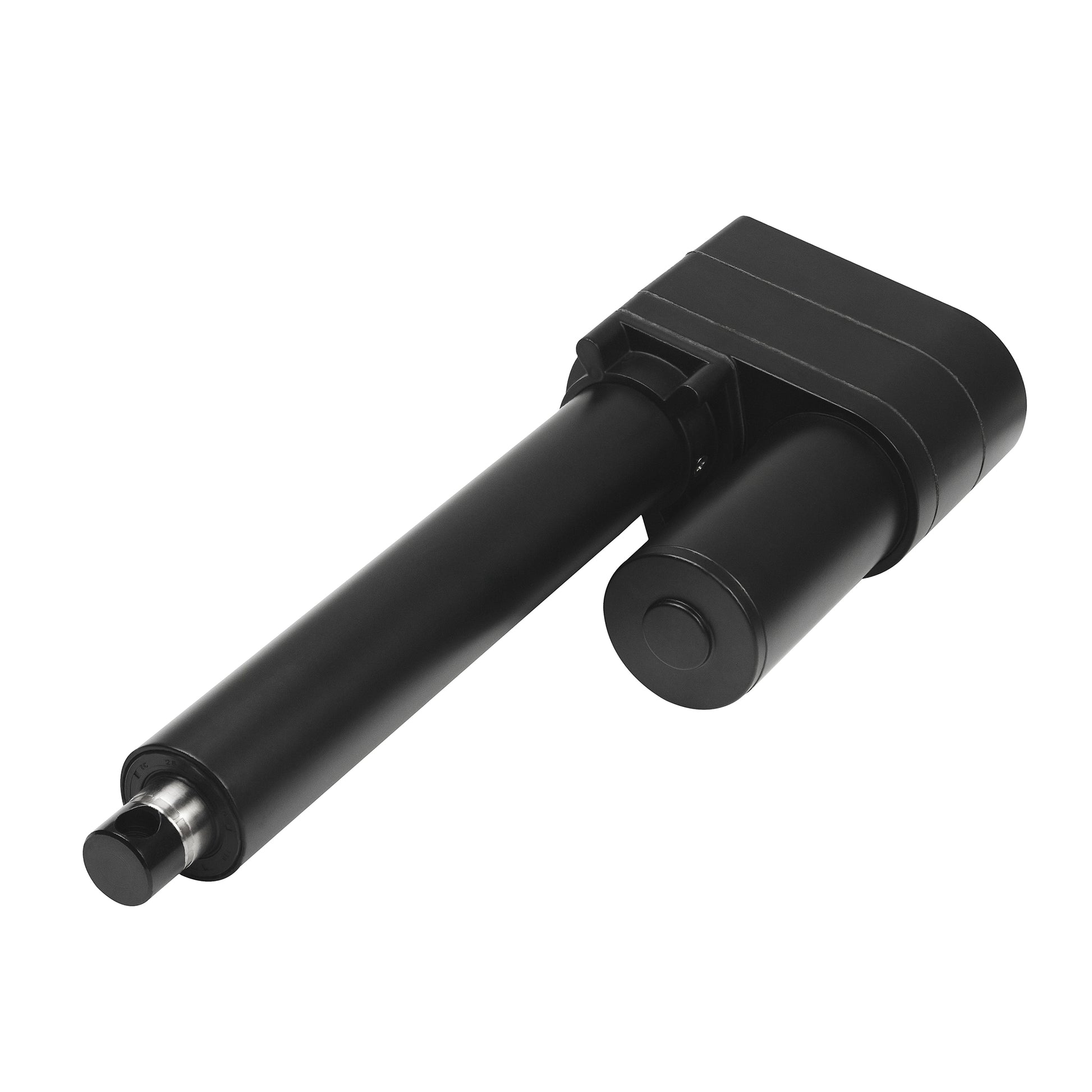
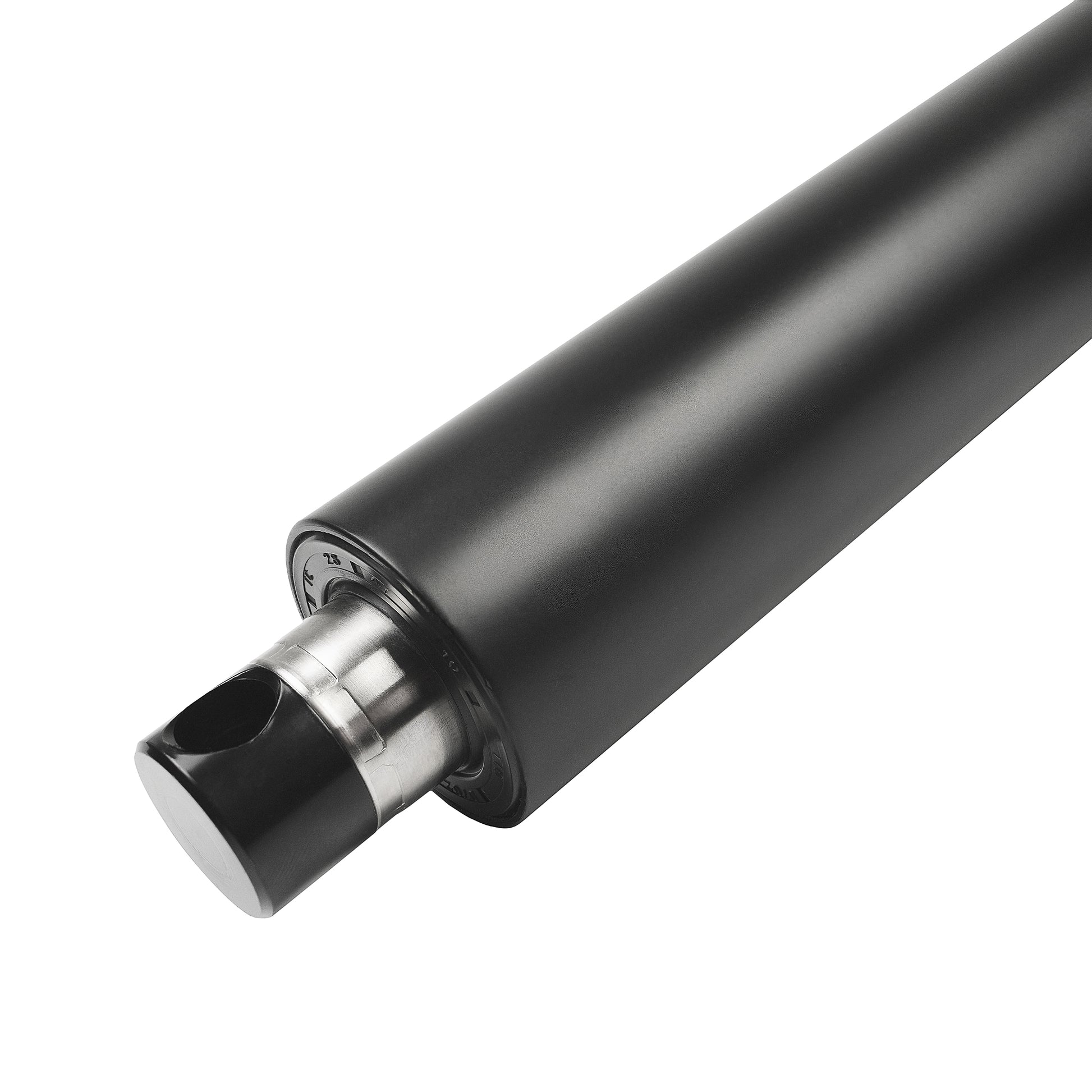
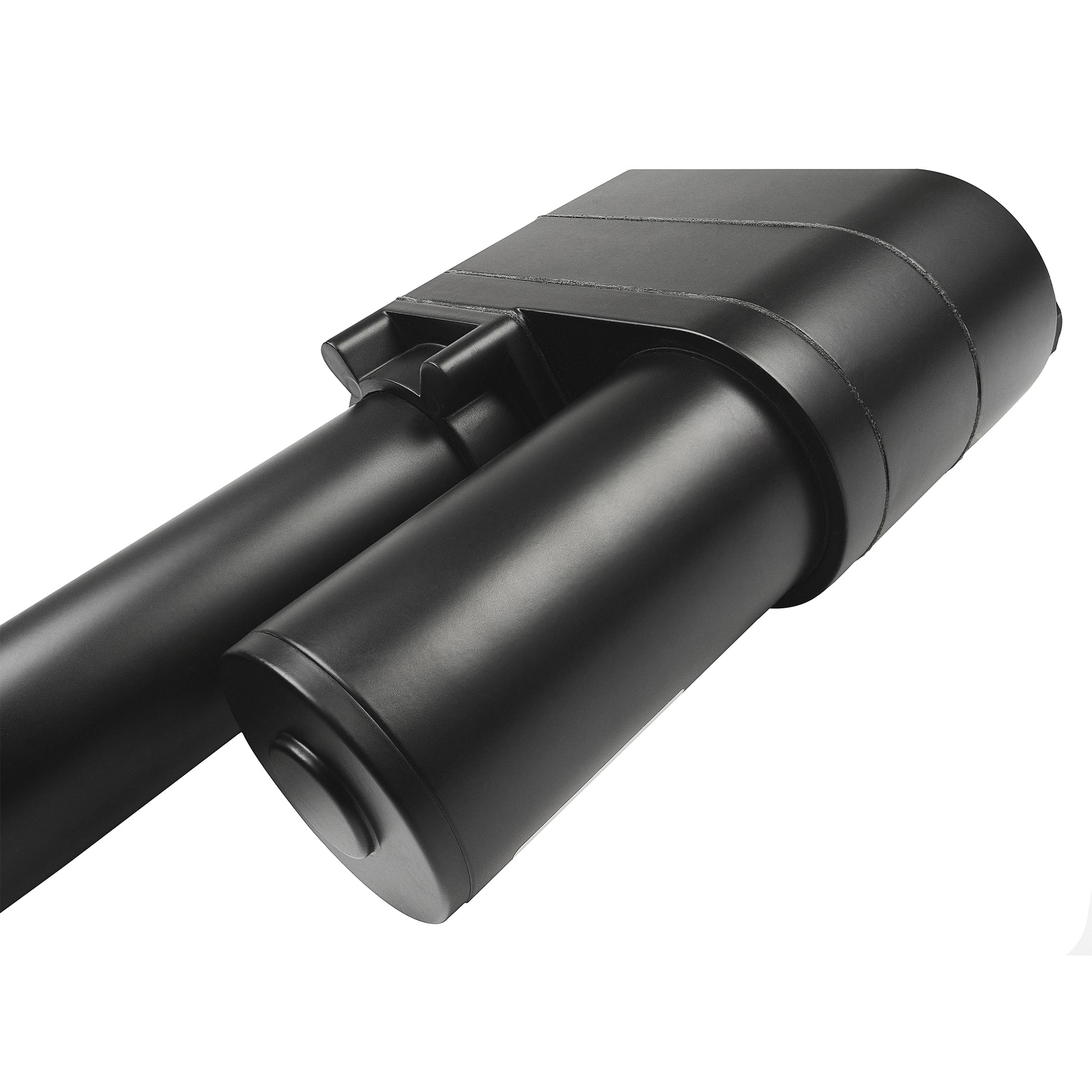
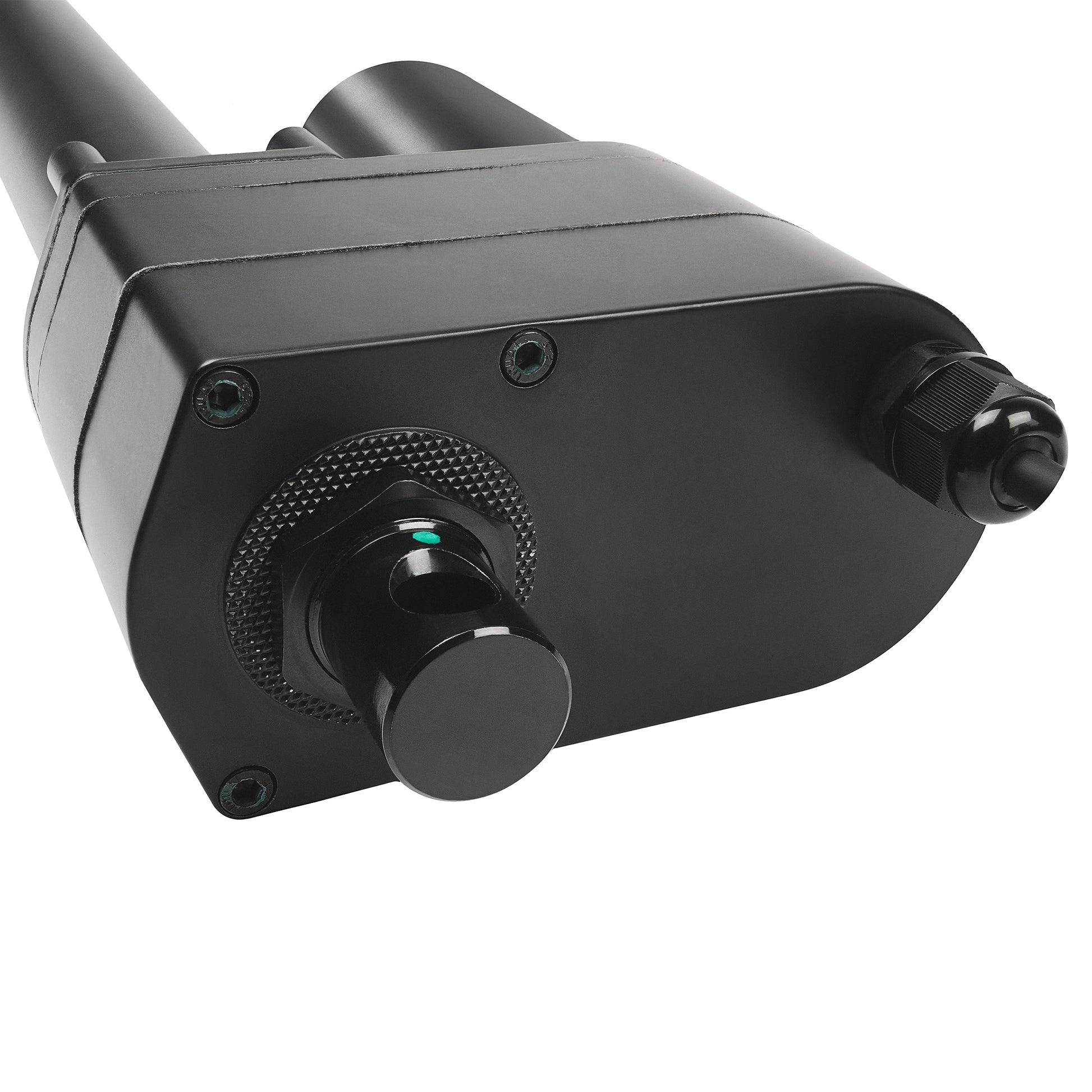
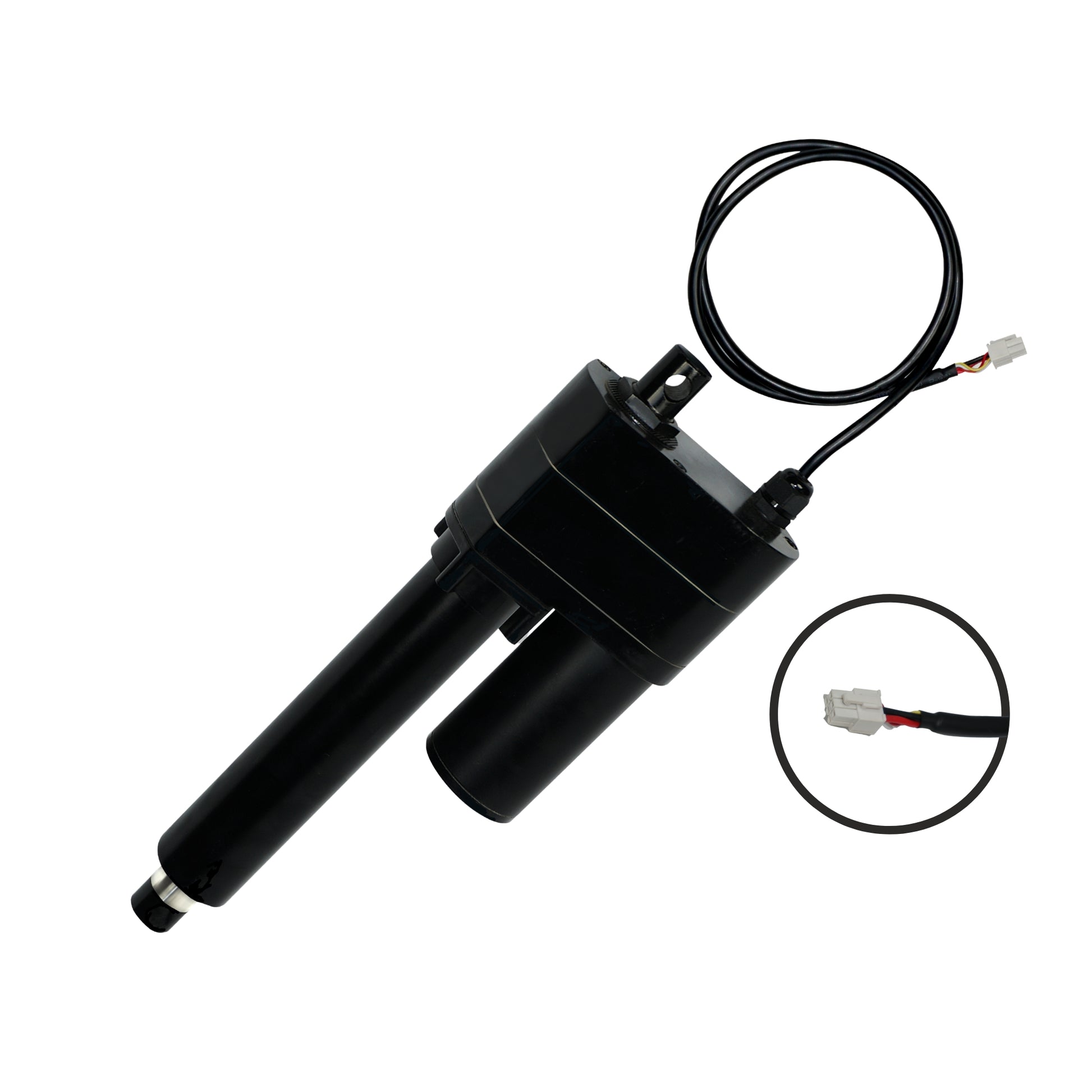
Siłownik liniowy PA-17 o dużej wytrzymałości ze sprzężeniem zwrotnym z potencjometru zapewnia opłacalne możliwości uzyskania dużych sił. Wał ze stali nierdzewnej w połączeniu z metalowymi kołami zębatymi umożliwia pchanie i ciągnięcie do 2000 lbs oraz utrzymywanie do 4000 lbs. Klasa szczelności IP zapewnia wszechstronne urządzenie odporne na kurz, wodę i trudne warunki. Ten wytrzymały siłownik jest jedyną jednostką w naszej linii produktów z regulowanymi wyłącznikami krańcowymi. Ta funkcja daje użytkownikowi pełną kontrolę nad tym, gdzie siłownik ma startować i zatrzymywać się. Zastosowany potencjometr umożliwia sprzężenie zwrotne pozycji podczas używania kompatybilnych systemów sterowania. Jeśli w tym modelu nie potrzebujesz sprzężenia zwrotnego z potencjometru, zobacz nasz podstawowy model PA-17 tutaj!
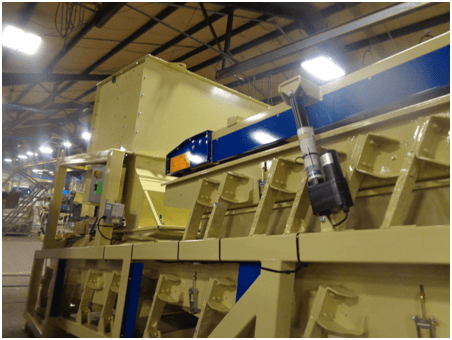
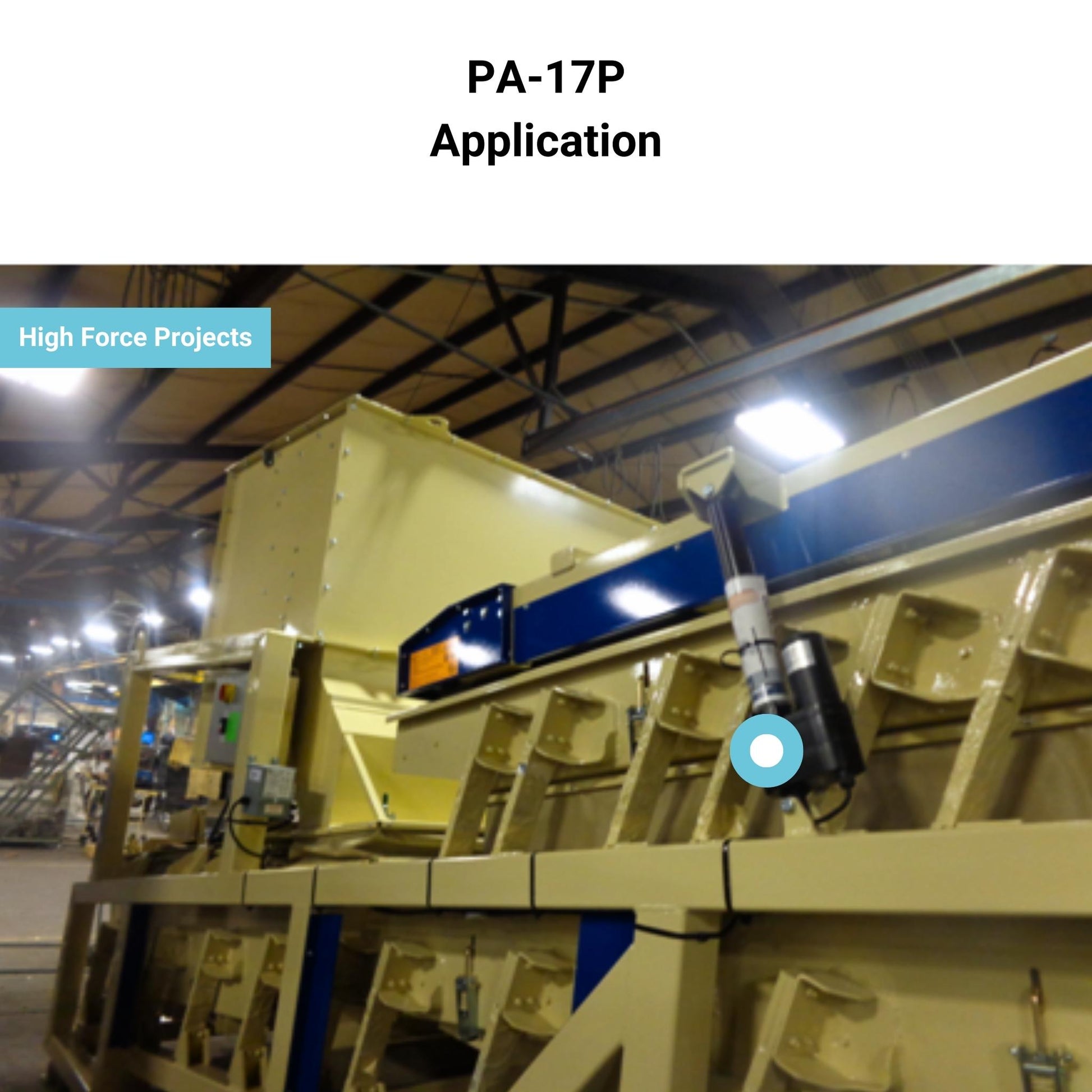
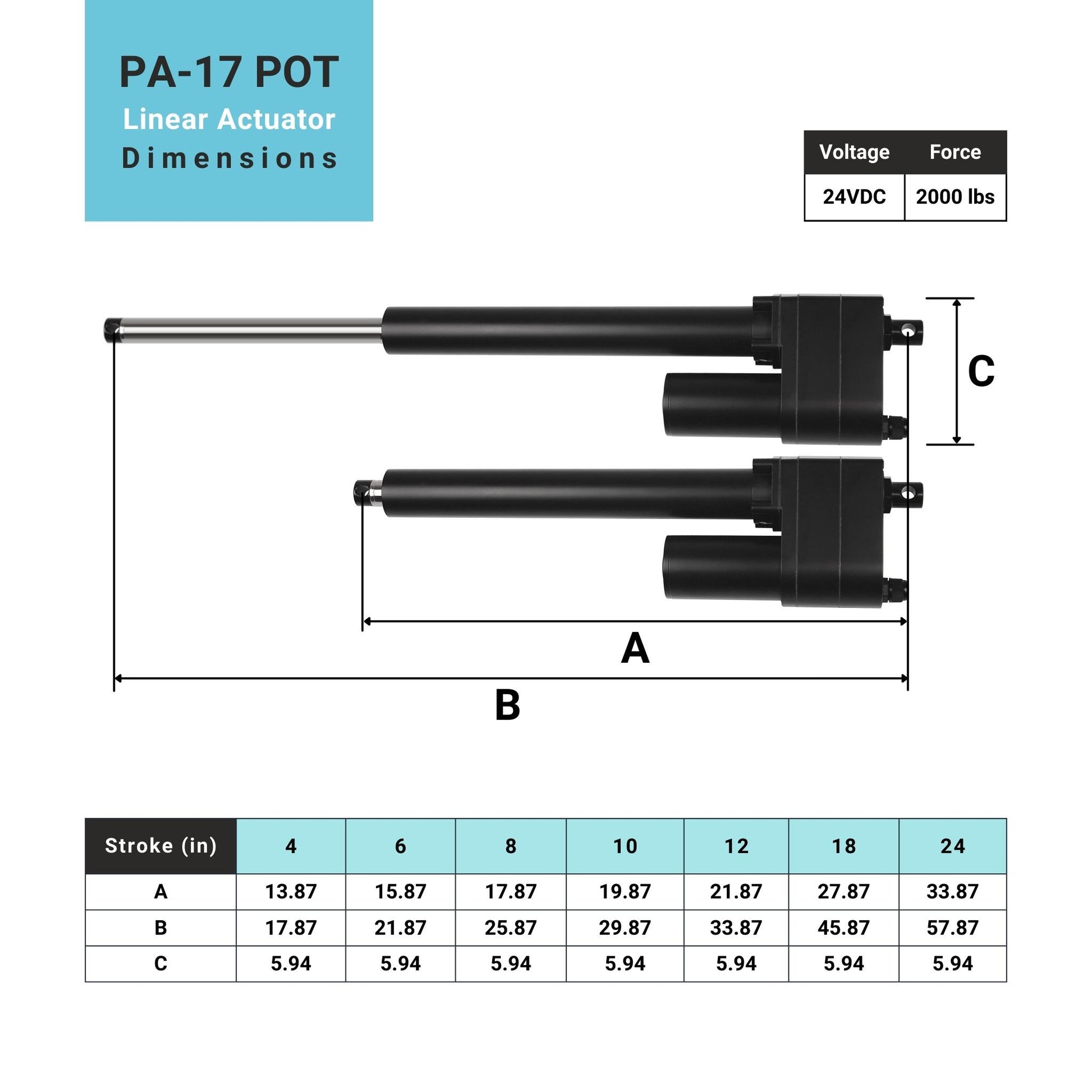
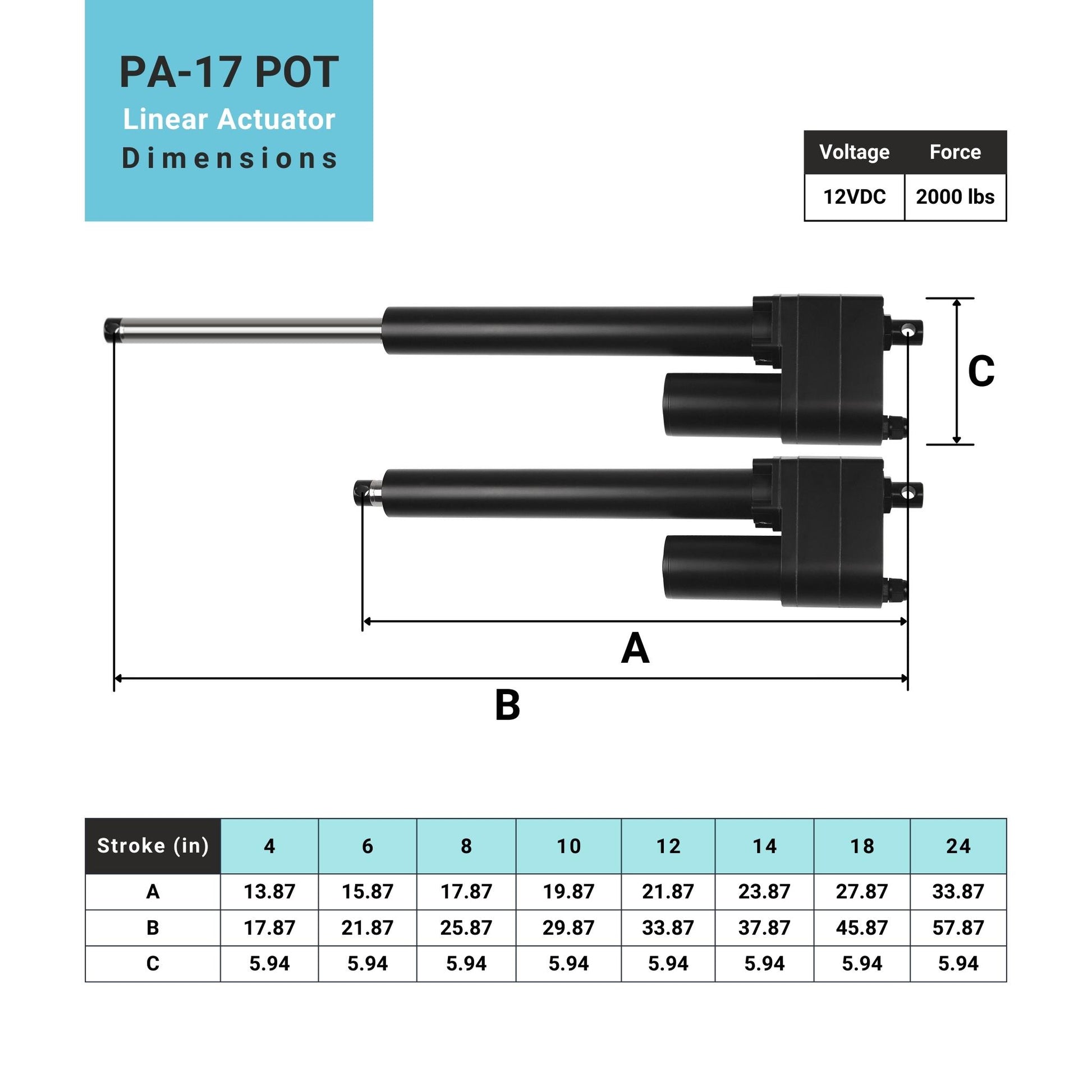
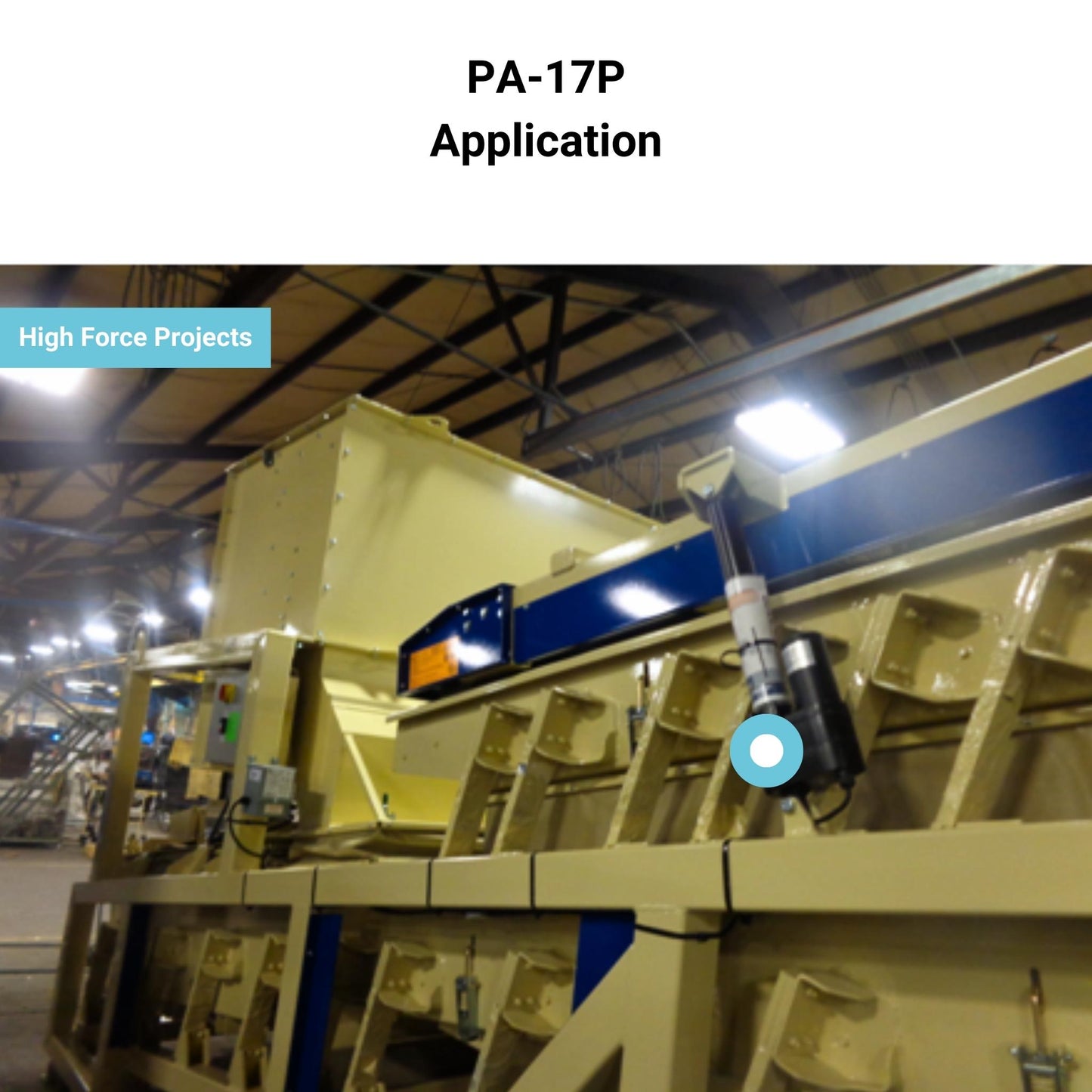
To urządzenie można znaleźć w branżach takich jak produkcja, energetyka odnawialna, rolnictwo oraz automatyka przemysłowa. Pełną listę specyfikacji, opcji dostosowania i rysunków wymiarowych znajdziesz w naszej karcie danych PA-17 POT.
OPCJE MONTAŻU:
Uchwyt BRK-17 , zaprojektowany dla wytrzymałych i wysokosiłowych siłowników przemysłowych, umożliwia prosty montaż. Aby uzyskać bardziej szczegółowe informacje i specyfikacje, zobacz stronę naszych uchwytów.
SYSTEMY STEROWANIA:
Custom options
Looking for an actuator but the specifications don't exactly match what you require? We have an extensive list of customization capabilities to ensure you get exactly what you need for your project. Download this product's data sheet and find out more about your customization options!
Siłownik liniowy PA-17 o dużej wytrzymałości ze sprzężeniem zwrotnym z potencjometru zapewnia opłacalne możliwości uzyskania dużych sił. Wał ze stali nierdzewnej w połączeniu z metalowymi kołami zębatymi umożliwia pchanie i ciągnięcie do 2000 lbs oraz utrzymywanie do 4000 lbs. Klasa szczelności IP zapewnia wszechstronne urządzenie odporne na kurz, wodę i trudne warunki. Ten wytrzymały siłownik jest jedyną jednostką w naszej linii produktów z regulowanymi wyłącznikami krańcowymi. Ta funkcja daje użytkownikowi pełną kontrolę nad tym, gdzie siłownik ma startować i zatrzymywać się. Zastosowany potencjometr umożliwia sprzężenie zwrotne pozycji podczas używania kompatybilnych systemów sterowania. Jeśli w tym modelu nie potrzebujesz sprzężenia zwrotnego z potencjometru, zobacz nasz podstawowy model PA-17 tutaj!
To urządzenie można znaleźć w branżach takich jak produkcja, energetyka odnawialna, rolnictwo oraz automatyka przemysłowa. Pełną listę specyfikacji, opcji dostosowania i rysunków wymiarowych znajdziesz w naszej karcie danych PA-17 POT.
OPCJE MONTAŻU:
Uchwyt BRK-17 , zaprojektowany dla wytrzymałych i wysokosiłowych siłowników przemysłowych, umożliwia prosty montaż. Aby uzyskać bardziej szczegółowe informacje i specyfikacje, zobacz stronę naszych uchwytów.
SYSTEMY STEROWANIA:
Custom options
Looking for an actuator but the specifications don't exactly match what you require? We have an extensive list of customization capabilities to ensure you get exactly what you need for your project. Download this product's data sheet and find out more about your customization options!
Following a set of standards is crucial for businesses to ensure their products and services can meet a level of quality that promotes customer satisfaction. At Progressive Automations, we aim for nothing but the best for our customers and strive toward continual improvements. Because of this, we are excited to announce that Progressive Automations is now ISO 9001:2015 certified!
Quality You Can Trust – Learn MoreKarty danych
User Manual
User manual
Modele 2D/3D

3D Models

Jak wymienić siłownik?
Elektryczne siłowniki liniowe są wykorzystywane w wielu zastosowaniach. Najprawdopodobniej kilka ...
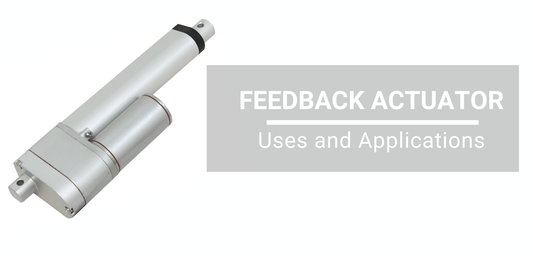
Siłowniki liniowe ze sprzężeniem zwrotnym: popularne zastosowania
Elektryczne siłowniki liniowe z elektroniką sprzężenia zwrotnego położenia są w stanie wykonywać ...
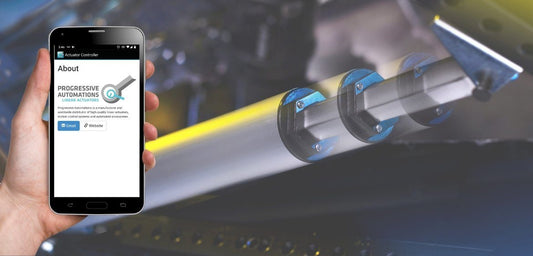
Łatwa konfiguracja i sterowanie siłownikami liniowymi za pomocą aplikacji Wi‑Fi
Wiele skrzynek sterujących wymaga przewodowego lub bezprzewodowego pilota, jednak w ostatnich lat...
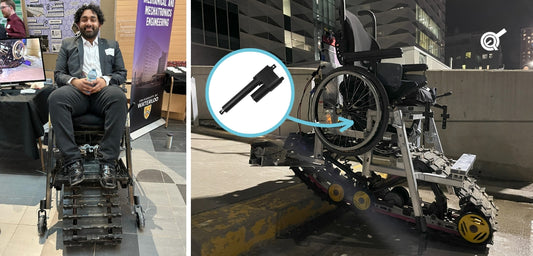
Wózek inwalidzki do pokonywania schodów z użyciem Siłownika PA-17-POT
Osoby z ograniczoną mobilnością nóg lub jej brakiem często potrzebują urządzeń mobilnych zdolnych...
Depending on your application, there are different specification requirements you should consider when determining the linear actuator you need. These requirements include force, stroke, speed and mounting dimensions. For detailed actuator information, you can refer to either the datasheet or the specification table located on the selected actuator's product page. You can also contact us to speak with one of our expert engineers.
Duty cycle is the fraction of the working period in which a linear actuator can remain active. You can calculate the duty cycle of a linear actuator by using the following equation: Duty cycle (%) = (Time the linear actuator is active) / (Time for one working period)
For example: With a 25% duty cycle, an actuator can run for 5 minutes continuously before needing to rest for 15 minutes before operating.
Stroke is the travel distance of the extending rod. To find the stroke length you require, measure your application from the fully retracted position to the fully extended position. The difference will equal the stroke length you require.
We always recommend purchasing an actuator with a higher force rating than what the application requires. If unsure of your force requirements, this article may help you calculate this: How to Calculate Force to Find the Right Linear Actuator
Yes, this is possible. However, it does depend on the units you are currently using. To synchronize actuators, they require a form of feedback such as a potentiometer or hall effect sensors. For more information, see below some of our key content regarding linear actuator synchronization.
The control box you choose should be able to provide sufficient voltage and current rating to your actuator. If you are unsure of the specifications, please contact us.
Alternatively, you can also find compatible control boxes on your selected linear actuator's product page.
Backdriving is when an actuator starts sliding down under load, when it is either overloaded or when the actuator has been damaged. Watch the video.
What Does Dynamic and Static Load Ratings Mean?Dynamic load rating is the amount of weight an actuator can pull or push safely when being powered. Static load rating is the amount of weight the actuator can hold or withstand without back driving when it is not being powered. For example, let's just say you have an actuator installed on a window and the static load rating of the actuator is 100lbs, it could experience backdriving when there is a high wind event, which means there will be more pressure exerted on the actuator which would exceed the 100lbs load rating of the actuator.
What Is Lateral Loading?Lateral loading is when the actuator experiences forces from the lateral plane. Actuators are not meant to handle lateral forces at all so if it experiences any lateral forces, it will likely damage the actuator or bend the rod. So it's advised never to use lateral forces and always make sure the actuator is fully in line or in sync with your application, so it does not take any load other than the axial load. Watch the video.