


Stelaż Corner Ryzer – trójkolumnowy podnośnik stołu – 330 lb – różne kolory
Stelaż Corner Ryzer – trójkolumnowy podnośnik stołu – 330 lb – różne kolory
Model: FLT-05
Nie udało się załadować dostępności odbioru


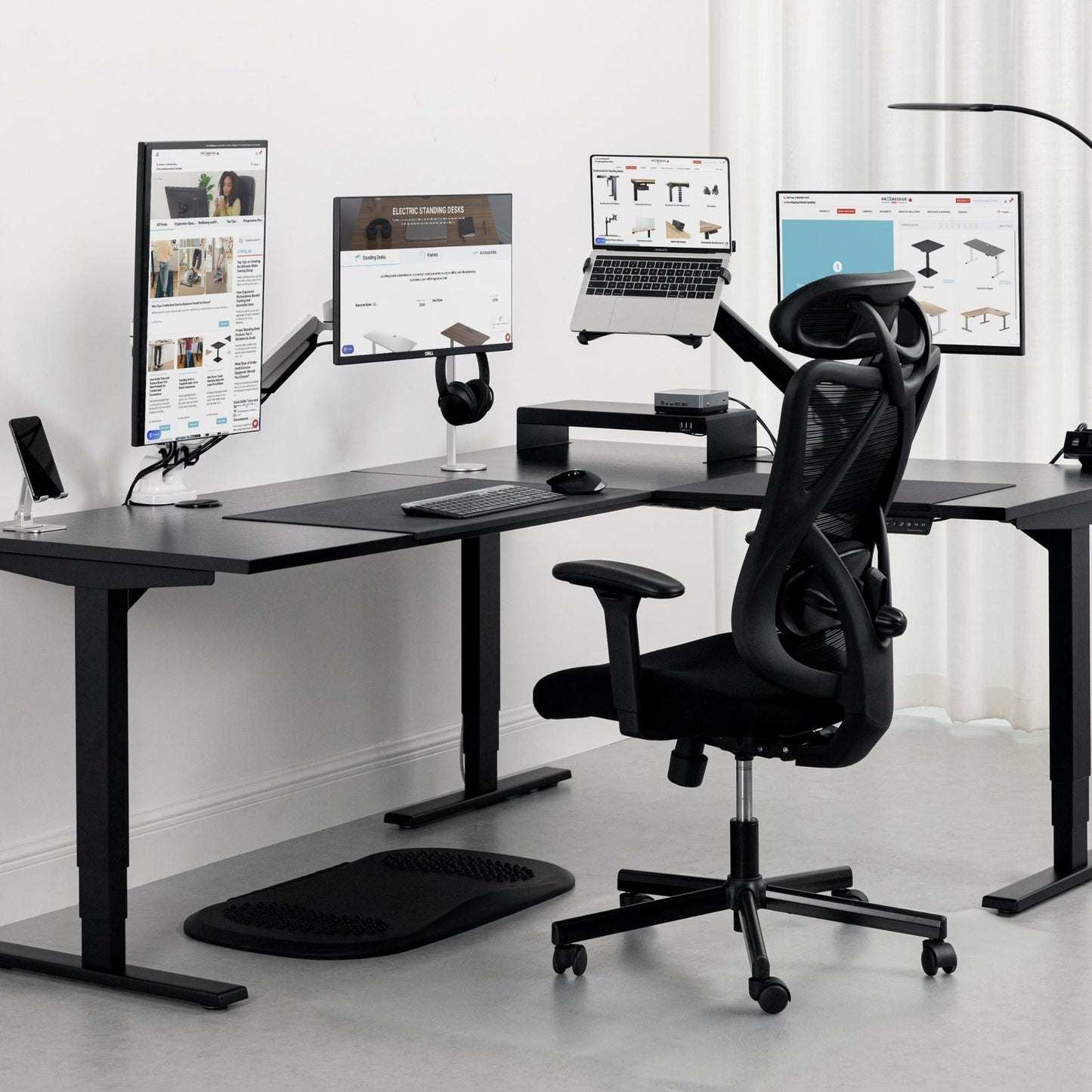
Stelaż FLT-05 Corner Ryzer to 90‑stopniowy, trójkolumnowy zsynchronizowany system podnoszenia zaprojektowany dla maksymalnej oszczędności miejsca. Ten regulowany stelaż biurka ma potrójny system silników i 3‑stopniowe nogi, co umożliwia precyzyjną i płynną regulację wysokości. Zakres wysokości wynosi od 23.6" do 49.1", a prędkość regulacji to 1.57"/sec, co sprawdza się w biurkach do pracy na siedząco i stojąco. Szerokość stelaża można regulować od 42.7" do 72.6", co pozwala dopasować go do różnych wymiarów blatów.
Stelaż zapewnia maksymalne obciążenie 330 lb, co gwarantuje stabilność biurka. Poziom hałasu pracy pozostaje poniżej 45 dB, a system obejmuje zaawansowane funkcje bezpieczeństwa, takie jak wykrywanie kolizji oraz miękki start & stop.
Stelaż FLT-05 jest wyposażony w przewodowy pilot z programowalnymi ustawieniami oraz port ładowania USB 5 V. Dodatkowo w zestawie znajduje się 16 samoprzylepnych opasek do organizacji przewodów.
Montaż jest sprawny i wspierany przez szczegółową instrukcję PDF.
Stelaż FLT-05 Corner Ryzer to 90‑stopniowy, trójkolumnowy zsynchronizowany system podnoszenia zaprojektowany dla maksymalnej oszczędności miejsca. Ten regulowany stelaż biurka ma potrójny system silników i 3‑stopniowe nogi, co umożliwia precyzyjną i płynną regulację wysokości. Zakres wysokości wynosi od 23.6" do 49.1", a prędkość regulacji to 1.57"/sec, co sprawdza się w biurkach do pracy na siedząco i stojąco. Szerokość stelaża można regulować od 42.7" do 72.6", co pozwala dopasować go do różnych wymiarów blatów.
Stelaż zapewnia maksymalne obciążenie 330 lb, co gwarantuje stabilność biurka. Poziom hałasu pracy pozostaje poniżej 45 dB, a system obejmuje zaawansowane funkcje bezpieczeństwa, takie jak wykrywanie kolizji oraz miękki start & stop.
Stelaż FLT-05 jest wyposażony w przewodowy pilot z programowalnymi ustawieniami oraz port ładowania USB 5 V. Dodatkowo w zestawie znajduje się 16 samoprzylepnych opasek do organizacji przewodów.
Montaż jest sprawny i wspierany przez szczegółową instrukcję PDF.
| System silników | Potrójny |
| Liczba stopni kolumny | 3 |
| Wykończenie powierzchni | Powłoka proszkowa |
| Akcesoria w zestawie | Przewodowy pilot z ładowaniem USB 5V, 16x samoprzylepne opaski kablowe |
| Maksymalne obciążenie | 330 lbs |
| Wysokość ramy | 23.6" - 49.1" |
| Szerokość ramy | 42.7" - 72.6" |
| Prędkość bez obciążenia | 1.57"/sec |
| Poziom hałasu | < 45dB |
| Napięcie wejściowe | 120VAC, 60Hz |
| Długość stopy | 23.6" |
| Klasa szczelności IP | Nogi IP51 i sterownik IP20 |
| Regulowane stopy | Tak |
| Wykrywanie kolizji | Tak |
| Łagodny start & stop | Tak |
| Funkcje pilota | Zaprogramuj do 4 zapisanych pozycji |
| Liczba wariantów pilota | Piloty |
| Cykl pracy | 10% (2 min pracy, 18 min przerwy) |
| Waga | 97.3 lbs |
| Gwarancja | 96 miesięcy |
| Specyfikacje - na życzenie | (jednostki imperialne) |
| Podstawowa kompatybilność z blatami | DT-4830, DT-5528, DT-6030, DT-7230 |
| Dodatkowa kompatybilność z blatami | DT-3030*, DT4224, DT-4830, DT-5528, DT-6030 |
Przestrzeganie określonych standardów jest kluczowe dla firm, aby zapewnić, że ich produkty i usługi osiągają poziom jakości sprzyjający zadowoleniu klientów. W Progressive Automations dążymy do oferowania naszym klientom wyłącznie tego, co najlepsze i nieustannie dążymy do ulepszeń. Z tego powodu z radością ogłaszamy, że Progressive Automations uzyskało certyfikat ISO 9001:2015!
Jakość, której możesz zaufać – dowiedz się więcejArkusze danych
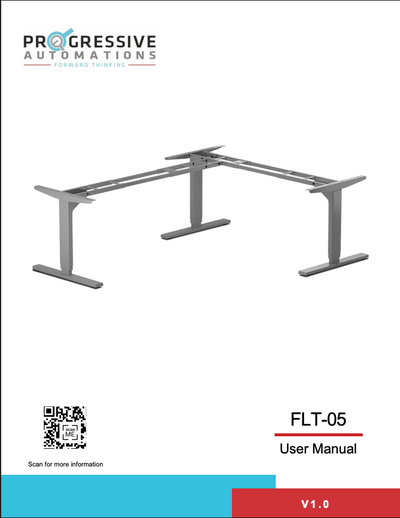
Instrukcja obsługi FLT-05
W zależności od zastosowania istnieją różne wymagania dotyczące specyfikacji, które należy uwzględnić przy określaniu siłownik liniowy jakiego napędu potrzebujesz. Wymagania te obejmują siłę, skok, prędkość i wymiary montażowe. Aby uzyskać szczegółowe informacje o siłowniku, możesz odwołać się do karty technicznej lub tabeli specyfikacji znajdującej się na stronie produktu wybranego siłownika. Możesz również skontaktuj się z nami porozmawiać z jednym z naszych doświadczonych inżynierów.
Cykl pracy Jest to ułamek okresu pracy, w którym siłownik liniowy może pozostać aktywny. Współczynnik pracy siłownika liniowego można obliczyć, korzystając z następującego równania: Cykl pracy (%) = (Czas, w którym siłownik liniowy jest aktywny)/(czas na jeden okres pracy)
Na przykład: Przy 25% cyklu pracy siłownik może pracować nieprzerwanie przez 5 minut, zanim będzie musiał odpocząć przez 15 minut przed uruchomieniem.
Udar to odległość przemieszczenia wysuwanego pręta. Aby określić wymaganą długość skoku, zmierz w zastosowaniu od pozycji całkowicie wsuniętej do pozycji całkowicie wysuniętej. Różnica będzie równa wymaganej długości skoku.
Zawsze zalecamy zakup siłownika o wyższej wartości siły niż wymaga tego zastosowanie. Jeśli nie masz pewności co do potrzebnej siły, ten artykuł może pomóc Ci ją obliczyć: Jak obliczyć siłę, aby znaleźć odpowiedni siłownik liniowy
Tak, jest to możliwe. Jednak zależy to od jednostek, których aktualnie używasz. Aby zsynchronizować siłowniki, wymagają one formy sprzężenia zwrotnego, takiej jak potencjometr lub czujniki efektu Halla. Aby uzyskać więcej informacji, zobacz poniżej niektóre z naszych kluczowych treści dotyczących synchronizacji siłowników liniowych.
Wybrany skrzynka kontrolna przez ciebie powinien być w stanie zapewnić odpowiednie napięcie i prąd znamionowy dla twojego siłownika. Jeśli nie jesteś pewien specyfikacji, prosimy skontaktuj się z nami.
Alternatywnie można również znaleźć kompatybilne skrzynki sterujące na stronie produktu wybranego siłownika liniowego.
Backdriving to sytuacja, w której siłownik zaczyna się ześlizgiwać pod obciążeniem, gdy jest przeciążony lub gdy siłownik został uszkodzony. Obejrzyj wideo.
Co oznaczają obciążenia dynamiczne i statyczne?Dynamiczne obciążenie to ilość ciężaru, który siłownik może bezpiecznie ciągnąć lub pchać podczas pracy (gdy jest zasilany). Obciążenie statyczne to ilość ciężaru, którą siłownik może utrzymać lub wytrzymać bez backdrivingu, gdy nie jest zasilany. Na przykład, załóżmy, że masz siłownik zamontowany w oknie, a jego statyczna nośność wynosi 100 lb — podczas silnego wiatru może wystąpić backdriving, co oznacza, że na siłownik będzie działać większe ciśnienie, przekraczające jego nośność 100 lb.
Co to jest ładowanie boczne?Obciążenie boczne to sytuacja, gdy siłownik doświadcza sił działających w płaszczyźnie bocznej. Siłowniki nie są przeznaczone do przenoszenia sił bocznych, więc jeśli działają na nie takie siły, najprawdopodobniej uszkodzą siłownik lub wygią pręt. Dlatego zaleca się unikać sił bocznych i zawsze upewnić się, że siłownik jest w pełni wyrównany z aplikacją, tak aby nie przyjmował żadnego obciążenia poza obciążeniem osiowym. Obejrzyj wideo.