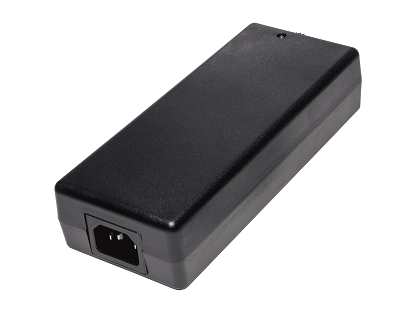
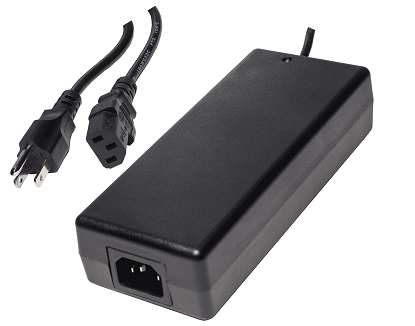
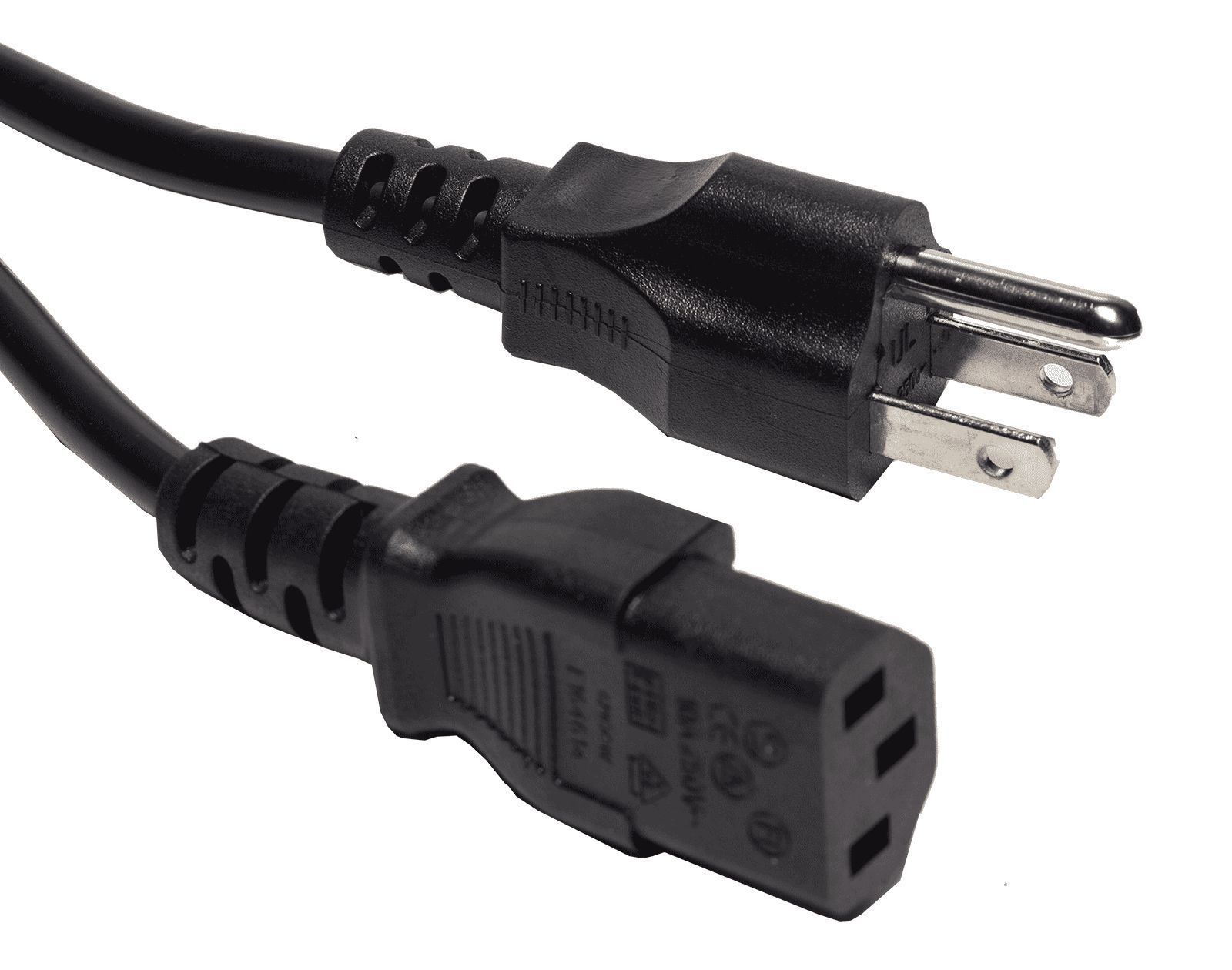
Adaptateur d'alimentation - 110-240 VAC - 12 VDC - 10 A
Adaptateur d'alimentation - 110-240 VAC - 12 VDC - 10 A
Modèle: AC-15
Impossible de charger les disponibilités de retrait
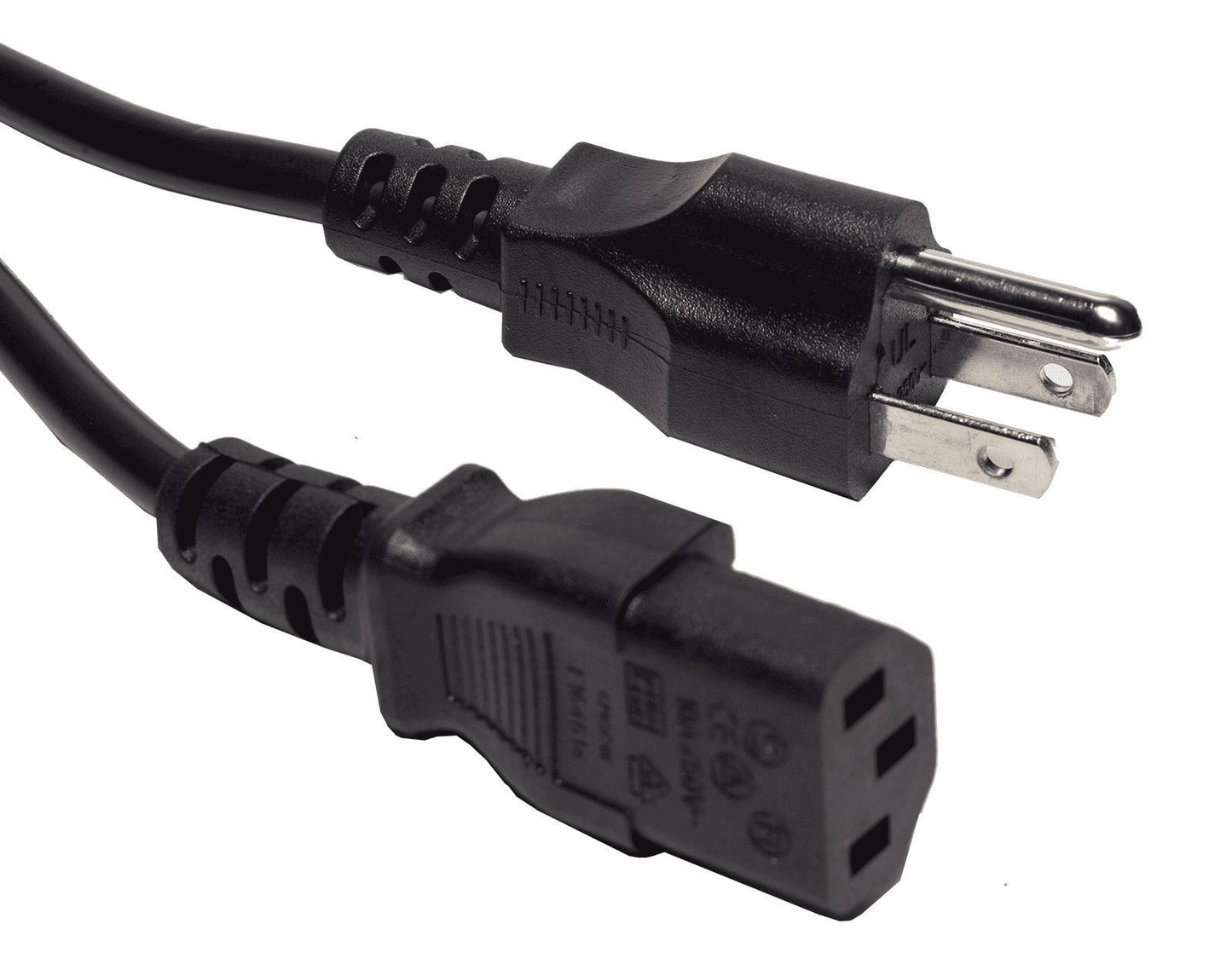
Notre adaptateur AC vers DC est conçu pour les clients qui souhaitent utiliser une alimentation AC et ne souhaitent pas utiliser une alimentation par batterie 12 VDC pour alimenter leurs appareils. Cet adaptateur certifié UL peut être utilisé conjointement avec nos interrupteurs à bascule ou tout autre dispositif de commande nécessitant moins de 10 ampères à 12 VDC.
Options personnalisées
Vous cherchez un actionneur mais les spécifications ne correspondent pas exactement à vos besoins ? Nous disposons d’une vaste liste de possibilités de personnalisation pour vous garantir exactement ce qu’il vous faut pour votre projet. Téléchargez la fiche technique de ce produit et découvrez-en plus sur vos options de personnalisation !
Notre adaptateur AC vers DC est conçu pour les clients qui souhaitent utiliser une alimentation AC et ne souhaitent pas utiliser une alimentation par batterie 12 VDC pour alimenter leurs appareils. Cet adaptateur certifié UL peut être utilisé conjointement avec nos interrupteurs à bascule ou tout autre dispositif de commande nécessitant moins de 10 ampères à 12 VDC.
Options personnalisées
Vous cherchez un actionneur mais les spécifications ne correspondent pas exactement à vos besoins ? Nous disposons d’une vaste liste de possibilités de personnalisation pour vous garantir exactement ce qu’il vous faut pour votre projet. Téléchargez la fiche technique de ce produit et découvrez-en plus sur vos options de personnalisation !
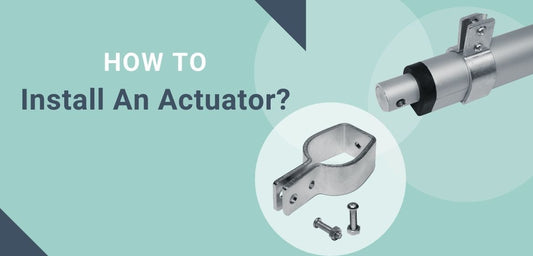
Comment installer un actionneur ?
L'installation peut être un processus simple, facile et sans tracas pour tout le monde. Si vous a...
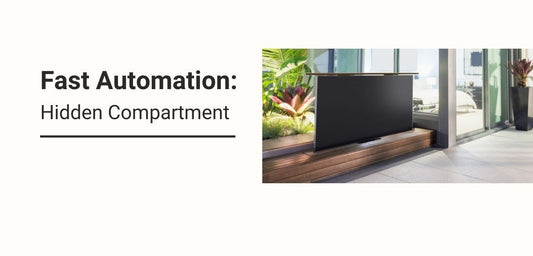
Compartiment caché de meuble TV avec notre actionneur rapide
Ce client a utilisé notre vérin linéaire à grande vitesse PA-15, compact, pour ce projet de compa...
Selon votre application, différentes exigences de spécifications sont à prendre en compte pour choisir le vérin linéaire dont vous avez besoin. Ces exigences incluent la force, la course, la vitesse et les dimensions de montage. Pour des informations détaillées sur l’actionneur, vous pouvez consulter la fiche technique ou le tableau des spécifications présent sur la page produit de l’actionneur sélectionné. Vous pouvez également nous contacter pour parler avec l’un de nos ingénieurs experts.
Le cycle de service est la fraction de la période de travail pendant laquelle un vérin linéaire peut rester actif. Vous pouvez calculer le cycle de service d’un vérin linéaire en utilisant l’équation suivante : Cycle de service (%) = (Temps pendant lequel le vérin linéaire est actif) / (Temps d’une période de travail)
Exemple : avec un cycle de service de 25 %, un actionneur peut fonctionner 5 minutes en continu avant de devoir se reposer 15 minutes avant de reprendre son fonctionnement.
La course est la distance de déplacement de la tige extensible. Pour déterminer la longueur de course dont vous avez besoin, mesurez votre application depuis la position entièrement rétractée jusqu’à la position entièrement étendue. La différence correspondra à la longueur de course requise.
Nous recommandons toujours d’acheter un actionneur avec une force nominale supérieure à celle requise par l’application. Si vous n’êtes pas certain de vos besoins en force, cet article peut vous aider à les calculer : Comment calculer la force pour choisir le bon vérin linéaire
Oui, c’est possible. Cependant, cela dépend des unités que vous utilisez actuellement. Pour synchroniser des actionneurs, une forme de rétroaction est nécessaire, comme un potentiomètre ou des capteurs à effet Hall. Pour plus d’informations, consultez ci‑dessous certains de nos contenus clés sur la synchronisation des vérins linéaires.
Commander plusieurs vérins linéaires simultanément
Comment utiliser les boîtiers de commande FLTCON‑2 et FLTCON‑4 ?
Le boîtier de commande que vous choisissez doit pouvoir fournir une tension suffisante et un courant adaptés à votre actionneur. Si vous n’êtes pas sûr des spécifications, veuillez nous contacter.
Vous pouvez également trouver des boîtiers de commande compatibles sur la page produit du vérin linéaire que vous avez sélectionné.
Le backdriving se produit lorsqu’un actionneur commence à glisser vers le bas sous la charge, soit en cas de surcharge, soit lorsque l’actionneur a été endommagé. Regarder la vidéo.
Que signifient les valeurs de charge dynamique et statique ?La capacité de charge dynamique correspond au poids qu’un actionneur peut tirer ou pousser en toute sécurité lorsqu’il est alimenté. La capacité de charge statique correspond au poids que l’actionneur peut maintenir ou supporter sans backdriving lorsqu’il n’est pas alimenté. Par exemple, si un actionneur est installé sur une fenêtre et que sa capacité de charge statique est de 100lbs, il pourrait subir un backdriving en cas de fort coup de vent, car une pression supplémentaire serait exercée sur l’actionneur, ce qui dépasserait la capacité de charge 100lbs de l’actionneur.
Qu’est‑ce que la charge latérale ?La charge latérale correspond aux forces exercées sur l’actionneur depuis un plan latéral. Les actionneurs ne sont pas conçus pour supporter des forces latérales ; s’ils en subissent, cela risque d’endommager l’actionneur ou de plier la tige. Il est donc conseillé de ne jamais appliquer de forces latérales et de toujours s’assurer que l’actionneur est parfaitement aligné avec votre application, afin qu’il ne supporte aucune charge autre que la charge axiale. Regarder la vidéo.