Vérin linéaire robuste avec rétroaction
Vérin linéaire robuste avec rétroaction
Modèle: PA-17-POT
Impossible de charger les disponibilités de retrait


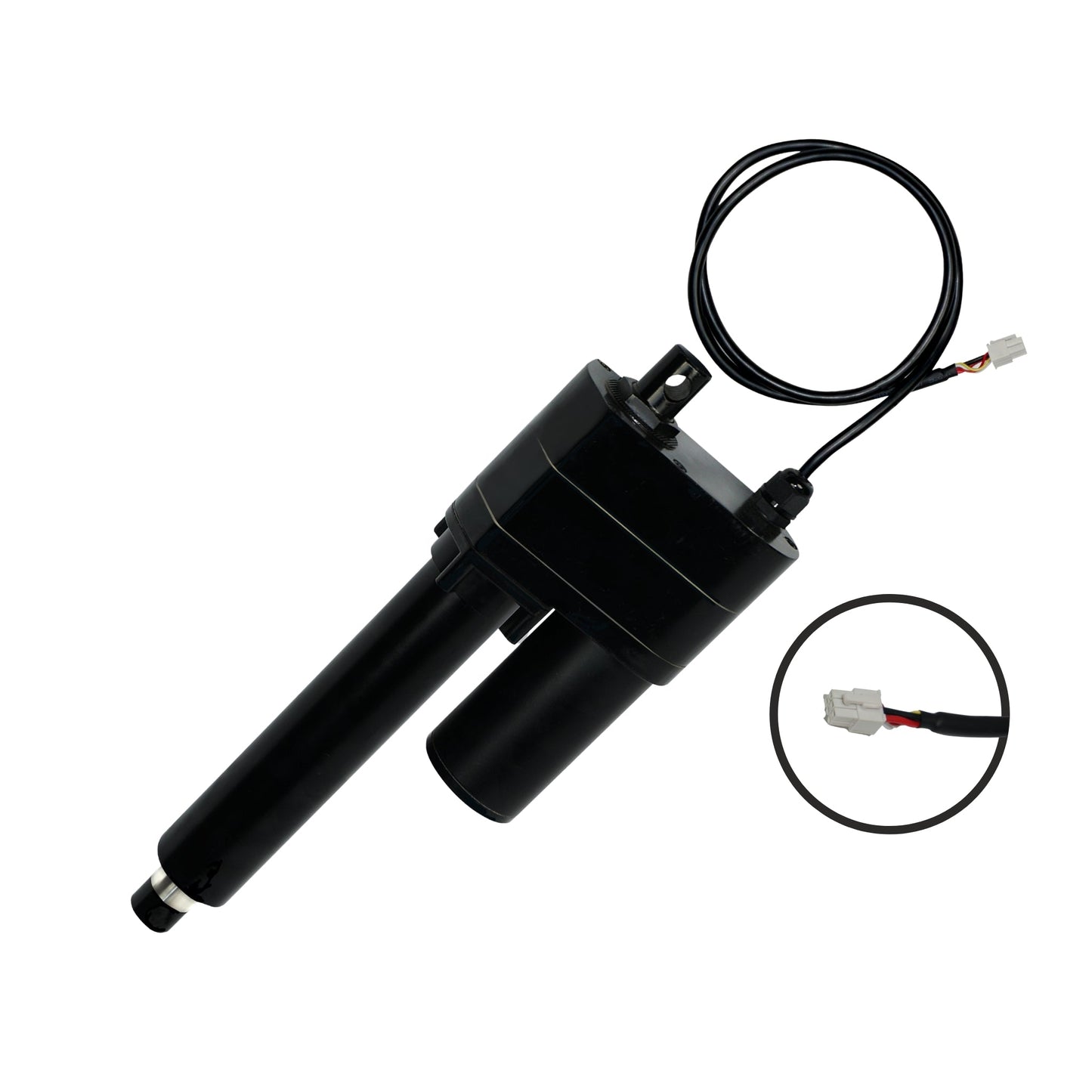
L'actionneur linéaire à usage intensif PA-17 avec retour de potentiomètre offre des capacités de force élevée rentables. L'arbre en acier inoxydable accompagné d'engrenages métalliques lui permet de pousser et de tirer jusqu'à 2000 livres, et de maintenir jusqu'à 4000 livres. L'indice de protection de l'environnement en fait une unité polyvalente capable de résister à la poussière, à l'eau et aux environnements difficiles. L'actionneur robuste est le seul de notre gamme de produits à être équipé d'interrupteurs de fin de course réglables. Cette caractéristique permet à l'utilisateur de contrôler entièrement le point de départ et d'arrêt de l'actionneur. Le potentiomètre ajouté permet d'obtenir un retour d'information sur la position lors de l'utilisation de systèmes de contrôle compatibles. Si vous n'avez pas besoin d'un retour d'information potentiométrique sur ce modèle, consultez notre modèle de base PA-17. ici!
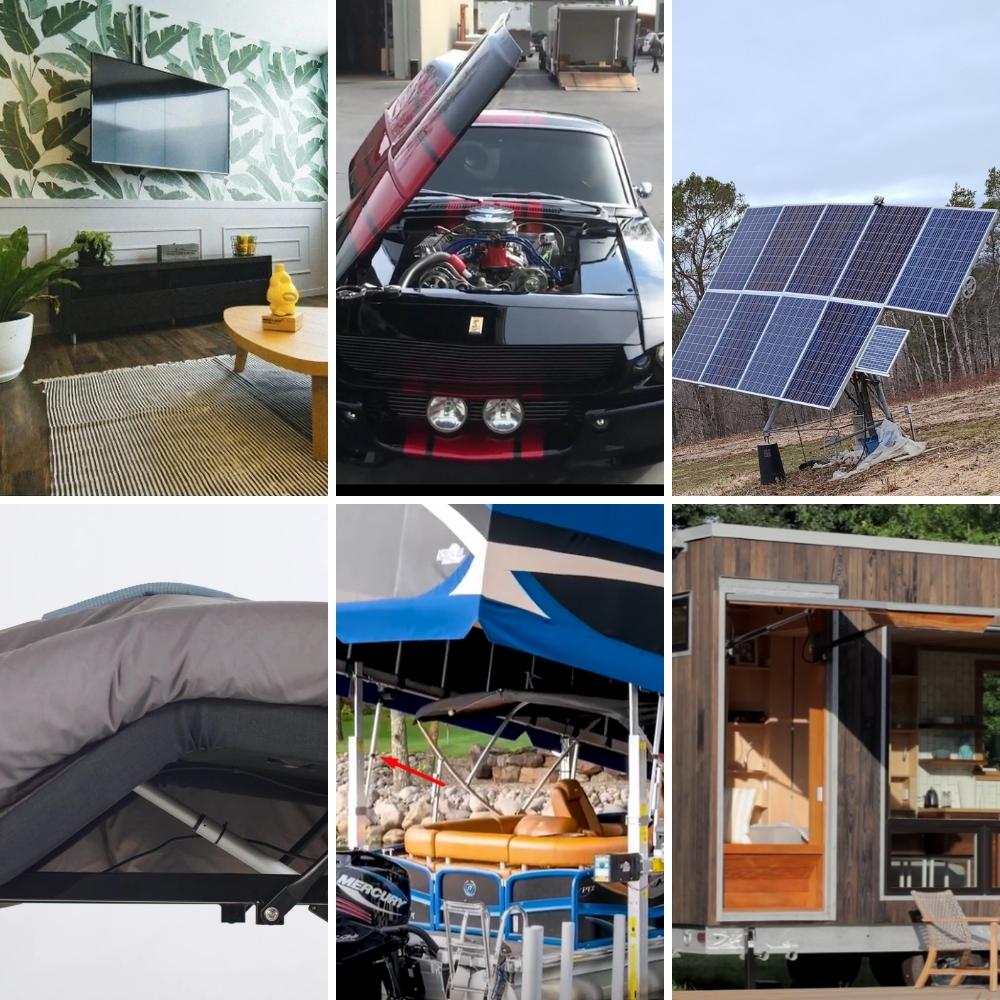
Cette unité peut être utilisée dans des industries telles que fabrication, les énergies renouvelables, l'agricultureet l'automatisation industrielle. Pour une liste complète des spécifications, des options de personnalisation et des dessins dimensionnels, veuillez consulter notre fiche technique PA-17 POT.
Tableau comparatif des actionneursOPTIONS DE MONTAGE :
Le BRK-17 conçu pour les actionneurs industriels Heavy Duty et High Force, permet un processus d'installation simple. Pour plus d'informations et de spécifications, veuillez consulter notre page produit sur les supports.
LES SYSTÈMES DE CONTRÔLE :
Options personnalisées
Vous cherchez un actionneur mais les spécifications ne correspondent pas exactement à vos besoins ? Nous disposons d’une vaste liste de possibilités de personnalisation pour vous garantir exactement ce qu’il vous faut pour votre projet. Téléchargez la fiche technique de ce produit et découvrez-en plus sur vos options de personnalisation !
L'actionneur linéaire à usage intensif PA-17 avec retour de potentiomètre offre des capacités de force élevée rentables. L'arbre en acier inoxydable accompagné d'engrenages métalliques lui permet de pousser et de tirer jusqu'à 2000 livres, et de maintenir jusqu'à 4000 livres. L'indice de protection de l'environnement en fait une unité polyvalente capable de résister à la poussière, à l'eau et aux environnements difficiles. L'actionneur robuste est le seul de notre gamme de produits à être équipé d'interrupteurs de fin de course réglables. Cette caractéristique permet à l'utilisateur de contrôler entièrement le point de départ et d'arrêt de l'actionneur. Le potentiomètre ajouté permet d'obtenir un retour d'information sur la position lors de l'utilisation de systèmes de contrôle compatibles. Si vous n'avez pas besoin d'un retour d'information potentiométrique sur ce modèle, consultez notre modèle de base PA-17. ici!
Cette unité peut être utilisée dans des industries telles que fabrication, les énergies renouvelables, l'agricultureet l'automatisation industrielle. Pour une liste complète des spécifications, des options de personnalisation et des dessins dimensionnels, veuillez consulter notre fiche technique PA-17 POT.
Tableau comparatif des actionneursOPTIONS DE MONTAGE :
Le BRK-17 conçu pour les actionneurs industriels Heavy Duty et High Force, permet un processus d'installation simple. Pour plus d'informations et de spécifications, veuillez consulter notre page produit sur les supports.
LES SYSTÈMES DE CONTRÔLE :
Options personnalisées
Vous cherchez un actionneur mais les spécifications ne correspondent pas exactement à vos besoins ? Nous disposons d’une vaste liste de possibilités de personnalisation pour vous garantir exactement ce qu’il vous faut pour votre projet. Téléchargez la fiche technique de ce produit et découvrez-en plus sur vos options de personnalisation !
Suivre un ensemble de normes est essentiel pour que les entreprises s’assurent que leurs produits et services atteignent un niveau de qualité favorisant la satisfaction client. Chez Progressive Automations, nous visons l’excellence pour nos clients et nous nous efforçons d’apporter des améliorations continues. C’est pourquoi nous sommes ravis d’annoncer que Progressive Automations est désormais certifié ISO 9001:2015 !
Une qualité digne de confiance – En savoir plusFiches techniques
Manuel d'utilisation
Manuel d'utilisation
Modèles 2D/3D
Modèles 3D

Comment remplacer un actionneur ?
Lorsque votre actionneur cesse de fonctionner, cela ne signifie pas forcément qu’il faut remplace...
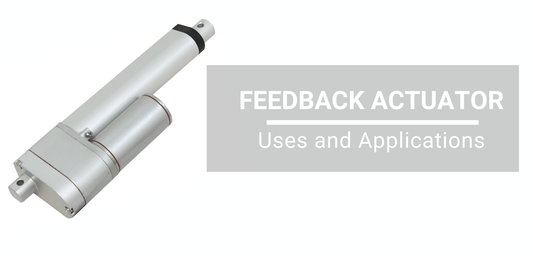
Vérins linéaires avec rétroaction : utilisations et applications populaires
Vérins linéaires électriques avec rétroaction de position leur électronique est capable de réalis...
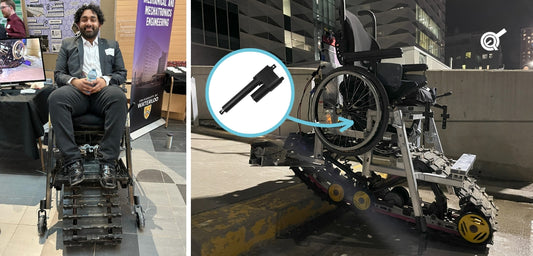
Fauteuil roulant monte-escaliers avec l’actionneur PA-17-POT
Les personnes ayant une mobilité limitée ou nulle des jambes ont souvent besoin d’aides à la mobi...
Selon votre application, différentes exigences de spécification doivent être prises en compte lors de la détermination des actionneur linéaire Vous devez respecter les exigences suivantes : force, course, vitesse et dimensions de montage. Pour des informations détaillées sur l’actionneur, consultez la fiche technique ou le tableau des spécifications disponibles sur la page produit de l’actionneur sélectionné. Contactez-nous pour parler avec l'un de nos ingénieurs experts.
Le cycle de service est la fraction de la période de travail pendant laquelle un vérin linéaire peut rester actif. Vous pouvez calculer le cycle de service d’un vérin linéaire en utilisant l’équation suivante : Cycle de service (%) = (Temps pendant lequel le vérin linéaire est actif) / (Temps d’une période de travail)
Exemple : avec un cycle de service de 25 %, un actionneur peut fonctionner 5 minutes en continu avant de devoir se reposer 15 minutes avant de reprendre son fonctionnement.
La course est la distance de déplacement de la tige extensible. Pour déterminer la longueur de course dont vous avez besoin, mesurez votre application depuis la position entièrement rétractée jusqu’à la position entièrement étendue. La différence correspondra à la longueur de course requise.
Nous recommandons toujours d’acheter un actionneur avec une force nominale supérieure à celle requise par l’application. Si vous n’êtes pas certain de vos besoins en force, cet article peut vous aider à les calculer : Comment calculer la force pour choisir le bon vérin linéaire
Oui, c’est possible. Cependant, cela dépend des unités que vous utilisez actuellement. Pour synchroniser des actionneurs, une forme de rétroaction est nécessaire, comme un potentiomètre ou des capteurs à effet Hall. Pour plus d’informations, consultez ci‑dessous certains de nos contenus clés sur la synchronisation des vérins linéaires.
Commander plusieurs vérins linéaires simultanément
Comment utiliser les boîtiers de commande FLTCON‑2 et FLTCON‑4 ?
The control box you choose should be able to provide sufficient voltage and current rating to your actuator. If you are unsure of the specifications, please contact us.
Alternatively, you can also find compatible control boxes on your selected linear actuator's product page.
Le phénomène de rétrogradation se produit lorsqu'un actionneur commence à glisser vers le bas sous la charge, soit parce qu'il est surchargé, soit parce qu'il est endommagé. Regardez la vidéo.
Que signifient les valeurs nominales de charge dynamique et statique ?capacité de charge dynamique Il s'agit du poids maximal qu'un actionneur peut tirer ou pousser en toute sécurité lorsqu'il est alimenté. Capacité de charge statique La charge statique admissible correspond au poids maximal que l'actionneur peut supporter sans se rétracter lorsqu'il n'est pas alimenté. Par exemple, si un actionneur est installé sur une fenêtre et que sa charge statique admissible est de 45 kg (100 lb), il pourrait se rétracter en cas de vent fort, ce qui signifie qu'une pression supérieure à sa charge maximale admissible de 45 kg (100 lb) s'exercerait sur lui.
Qu'est-ce que la charge latérale ?Une charge latérale se produit lorsque l'actionneur est soumis à des forces provenant du plan latéral. Les actionneurs ne sont absolument pas conçus pour supporter des forces latérales ; si un actionneur en subit, il risque d'être endommagé ou sa tige de se tordre. Il est donc fortement déconseillé d'utiliser des forces latérales et de toujours s'assurer que l'actionneur est parfaitement aligné ou synchronisé avec l'application, afin qu'il ne supporte aucune charge autre que la charge axiale. Regardez la vidéo.