-
Last Chance
Boîtier de commande 12 VDC - 1 canal - 20 A - Télécommande sans fil
Modèle PA-31$92.99 USD$74.99 USD -
Last Chance
Boîtier de commande 12 VCC - 1 canal - 20A - IP65 - Télécommande sans fil
Modèle PA-33$112.99 USD$90.99 USD -
-
24 VDC - Boîtier de commande à effet Hall 2-Sync avec préréglages
Modèle FLTCON-2-24VDC$146.99 USD


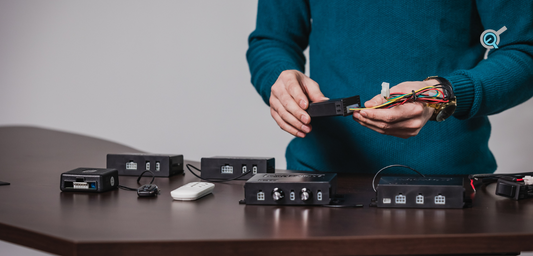
Notre gamme de boîtiers de commande pour vérins est diversifiée et conçue pour s’adapter à une grande variété d’applications ! Des configurations monocanal aux multiples de deux, trois et quatre, vous disposez d’un large choix pour votre projet. Nous avons conçu nos boîtiers pour s’associer à la technologie de vérins linéaires dans laquelle nous sommes devenus experts au fil de nos années dans l’industrie. En plus de la gamme de fonctionnalités intelligentes, de compatibilités de tension et d’options de rétroaction que nous proposons, nos boîtiers de commande sont également plug-and-play. Nous avons voulu que cette gamme reflète les besoins de nos clients et nous évoluons constamment avec chaque nouvelle application !
Nos boîtiers de commande pour vérins linéaires existent en versions pouvant être appariées à plusieurs télécommandes à la fois, afin que les utilisateurs puissent bénéficier d’une commande de vérin filaire ou RF, et même d’une commande de vérin via Bluetooth. Choisissez parmi notre large gamme de télécommandes et profitez de toutes les fonctionnalités uniques de nos différentes télécommandes filaires programmables, utilisables en complément de télécommandes sans fil et/ou d’un dongle Bluetooth pour une commande pratique via une application mobile.
Notre gamme de boîtiers de commande pour vérins linéaires est variée : nous offrons un éventail d’options de compatibilité de tension et de rétroaction, ainsi que différentes fonctionnalités intelligentes adaptées à toute application. Particulièrement utiles pour les projets de plus grande envergure, nos boîtiers peuvent gérer jusqu’à quatre actionneurs à la fois et se retrouvent souvent dans des applications de fabrication grâce à cela et à leurs fonctions de sécurité comme la protection contre les surintensités et les capteurs anticollision. Que vous recherchiez ce type de solution robuste pour usage intensif, ou des contrôleurs d’actionneur monocanal plus simples, notre gamme a ce qu’il vous faut !

Des sorties monocanal aux multiples de deux, trois et quatre, choisissez parmi une large sélection pour obtenir la combinaison parfaite pour votre prochain projet. Associés à nos télécommandes, nos boîtiers de commande pour vérins peuvent piloter de 1 à 4 vérins linéaires ou colonnes de levage au sein d’un seul système de commande.
Nous proposons une large gamme d’options de télécommandes afin que les utilisateurs puissent profiter de toutes les fonctionnalités uniques de nos différentes télécommandes filaires programmables, lesquelles peuvent également être utilisées avec des télécommandes sans fil et/ou notre dongle Bluetooth pour plus de praticité.
Nos boîtiers de commande pour vérins disposent de modèles capables de gérer jusqu’à 25 A à 12 VCC par canal afin de couvrir un large éventail d’applications nécessitant une forte consommation de courant. Combinées à leurs fonctions de sécurité, telles que la protection contre les courts-circuits en sortie, la tension d’entrée hors plage et la protection contre l’inversion de la tension d’entrée, ces unités fonctionnent très bien dans des environnements de fabrication !

Nos boîtiers de commande pour vérins linéaires existent en de nombreuses variantes, notamment des modèles offrant une commande RF des vérins, une commande via une application mobile/Bluetooth, des contrôleurs de vitesse de vérin intégrés, des modules de synchronisation à effet Hall, etc.
Cela dépendra de la tension de sortie de la source d’alimentation dont vous disposez et des tensions nominales du/des actionneur(s) ou colonne(s) de levage que vous utiliserez dans votre application. Choisissez un boîtier de commande avec la même tension de sortie que votre vérin ou votre colonne de levage, et avec une tension d’entrée correspondant à votre source d’alimentation.
Nous proposons une variété de modules de synchronisation à effet Hall pour plusieurs actionneurs, tels que les séries de boîtiers de commande d’actionneur à effet Hall PA-41, PA-CB40 et FLTCON.
Oui, nous proposons des modèles de boîtiers de commande pour vérins qui peuvent être appariés à notre dongle Bluetooth pour une commande des vérins via Bluetooth/application mobile. La plupart de nos boîtiers de commande pour vérins peuvent également être appariés simultanément à plusieurs de nos télécommandes RF sans fil.
Pour toute demande liée à la fabrication sur mesure, veuillez contacter notre équipe d’assistance client au 1-800-676-6123 ou à sales@progressiveautomations.com. Nous serons ravis de répondre à toutes vos questions.
Pour des demandes de fabrication à la commande ou liées au B2B, veuillez contacter notre équipe d’assistance client au 1-800-676-6123 ou à sales@progressiveautomations.com. Nous serons ravis de répondre à toutes vos questions.
Nous proposons des systèmes de commande d’actionneur conçus et assemblés au Canada à partir de composants mondiaux de haute qualité.
Quatre sorties représentent le nombre maximal de canaux pris en charge par un seul boîtier de commande de notre gamme.
Certains modèles de nos boîtiers de commande pour vérins peuvent prendre en charge l’intégration à des applications ou être appariés à notre dongle Bluetooth pour la commande des vérins via une application mobile.
Parmi les points clés à vérifier : le type de rétroaction requis par vos vérins, la compatibilité de tension, la consommation de courant et les connecteurs d’entrée, afin de garantir l’adéquation avec le boîtier de commande choisi ; puis assurez-vous que la sortie de votre source d’alimentation correspond aux exigences de tension d’entrée de votre boîtier de commande.
Boîtiers de commande Ressources et guides
-
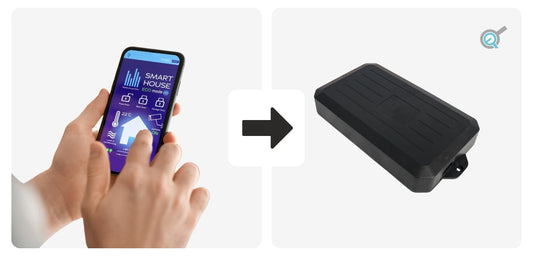
Compatibilité du boîtier de commande FLTCON avec la domotique
La domotique améliore considérablement le confort, la sécurité et l’efficacité globale de nombreu...
-
Guide des systèmes de commande pour vérins linéaires électriques
Pour exploiter pleinement le potentiel des vérins linéaires électriques, il est essentiel de comp...
-
Présentation des boîtiers de commande pour actionneurs PA-CB31 et PA-CB40
Nous sommes heureux d'annoncer la sortie de deux nouveaux produits dans notre gamme croissante de...